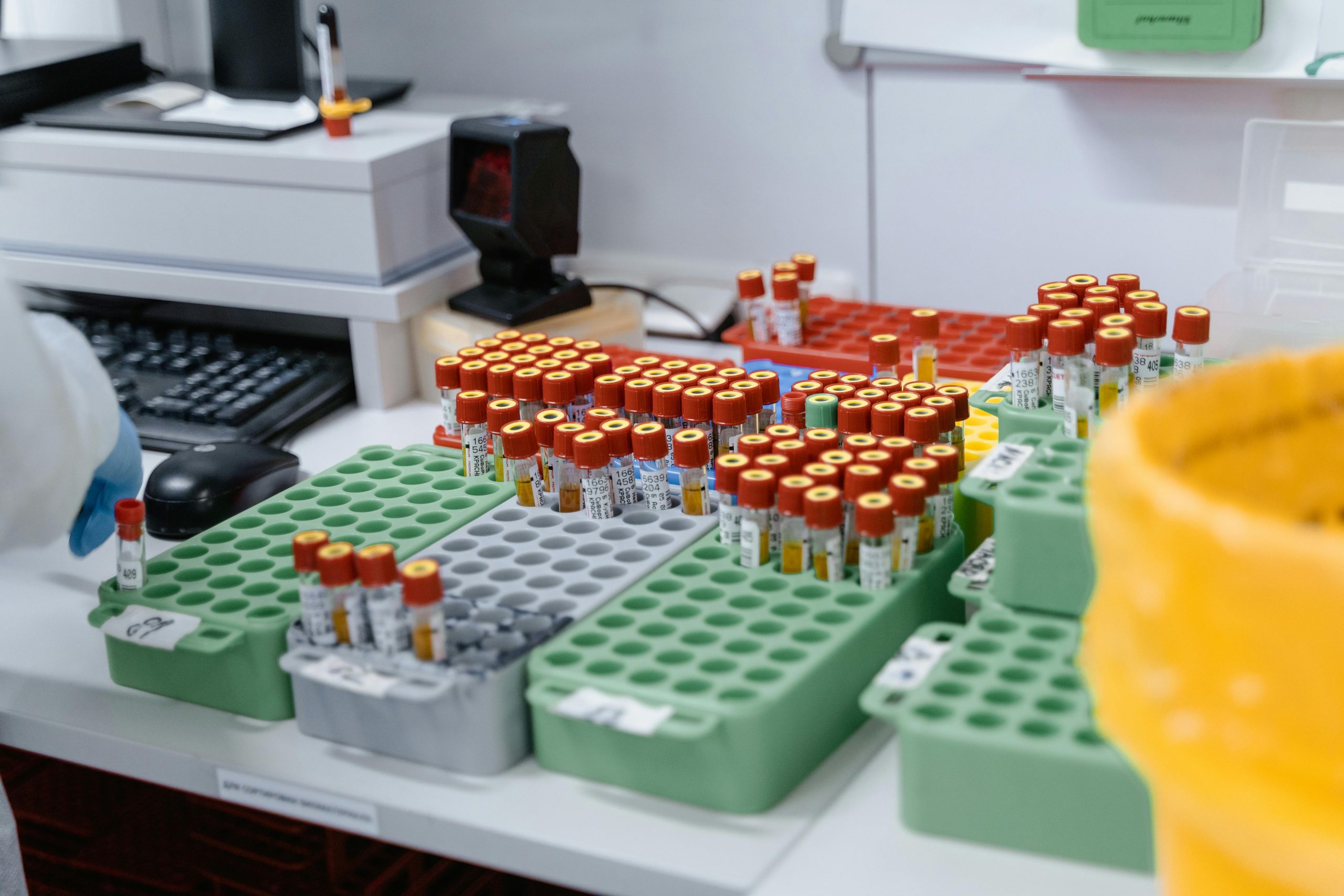
TPE for Neurological Disorders: Hope for Patients with MS, GBS, and More
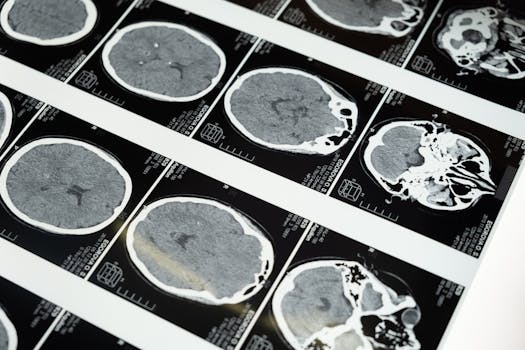
Neurological disorders like Multiple Sclerosis (MS) and Guillain-Barré Syndrome (GBS) present significant challenges to patients and their families. Advances in medical science continue to bring new hope, and one such promising intervention is TPE — Therapeutic Plasma Exchange. This innovative treatment offers patients relief and improved quality of life by targeting underlying immune system dysfunction.
Understanding Therapeutic Plasma Exchange (TPE)
TPE is a procedure that involves removing plasma — the liquid part of the blood — which may contain harmful antibodies or proteins that attack the nervous system. The removed plasma is then replaced with a sterile substitute, often albumin or donor plasma, effectively “cleansing” the blood of disease-causing elements.
How TPE Works:
- Blood is drawn from the patient and separated into components.
- Pathogenic plasma containing harmful factors is removed.
- Replacement plasma or albumin is infused back into the bloodstream.
- The treated blood is returned to the patient.
This cycle can be repeated based on the patient’s condition and the physician’s recommendations.
Targeted Neurological Disorders
TPE is particularly beneficial for certain neurological disorders characterized by autoimmune activity:
- Multiple Sclerosis (MS): TPE can help manage acute relapses by removing autoantibodies that attack nerve fibers.
- Guillain-Barré Syndrome (GBS): This rapid-onset disorder responds well to plasma exchange by reducing the immune-mediated nerve damage.
- Myasthenia Gravis: TPE helps by decreasing antibodies that disrupt nerve-muscle communication.
- Chronic Inflammatory Demyelinating Polyneuropathy (CIDP): TPE assists in reducing symptoms caused by chronic nerve inflammation.
Why TPE Offers Hope
For many patients, TPE is more than just a treatment — it is a lifeline. Its benefits include:
- Rapid symptom improvement: Patients often notice a reduction in neurological symptoms shortly after treatments.
- Non-invasive alternative: Unlike some therapies, TPE does not involve long-term drug exposure with potential systemic side effects.
- Customizable treatments: Therapy plans can be individualized based on disease severity and patient response.
- Supports other treatments: TPE can be combined with medications to enhance overall effectiveness.
The Patient Experience
While TPE requires intravenous access and multiple sessions, most patients tolerate the procedure well under professional care. Sessions typically last a few hours and are conducted in specialized medical centers with experienced staff monitoring throughout. Supportive care ensures comfort and safety during and after treatments.
Looking Ahead: TPE as Part of Neurological Care
With ongoing research, TPE remains a valuable component in managing complex neurological disorders. As understanding of immune-related neuropathies advances, this therapy’s role may expand further, offering hope to a broader range of patients.
For those battling MS, GBS, or other related conditions, knowing that effective options exist is a vital step toward reclaiming life and wellness.
Ready to explore TPE treatment options? Contact VIP TPE — the leading center in Boca Raton, Florida, for expert care and advanced neurological treatments that bring renewed hope.