5 Silent Risk Factors for Alzheimer's That Your Doctor Isn't Checking
5 Silent Risk Factors for Alzheimer's That Your Doctor Isn't Checking
You go to your annual physical. Your doctor checks your blood pressure, listens to your heart, and runs a basic metabolic panel. "Everything looks normal," they say. "See you next year."
But "normal" is not optimal. And "normal" does not mean you are safe from Alzheimer's.
Standard medicine is designed to catch disease after it happens. It is reactive. To prevent neurodegeneration, you need to be proactive. You need to look deeper.
There are specific biomarkers—silent risk factors—that drive brain aging but are rarely checked in a standard physical. These are the hidden assassins of cognitive health.
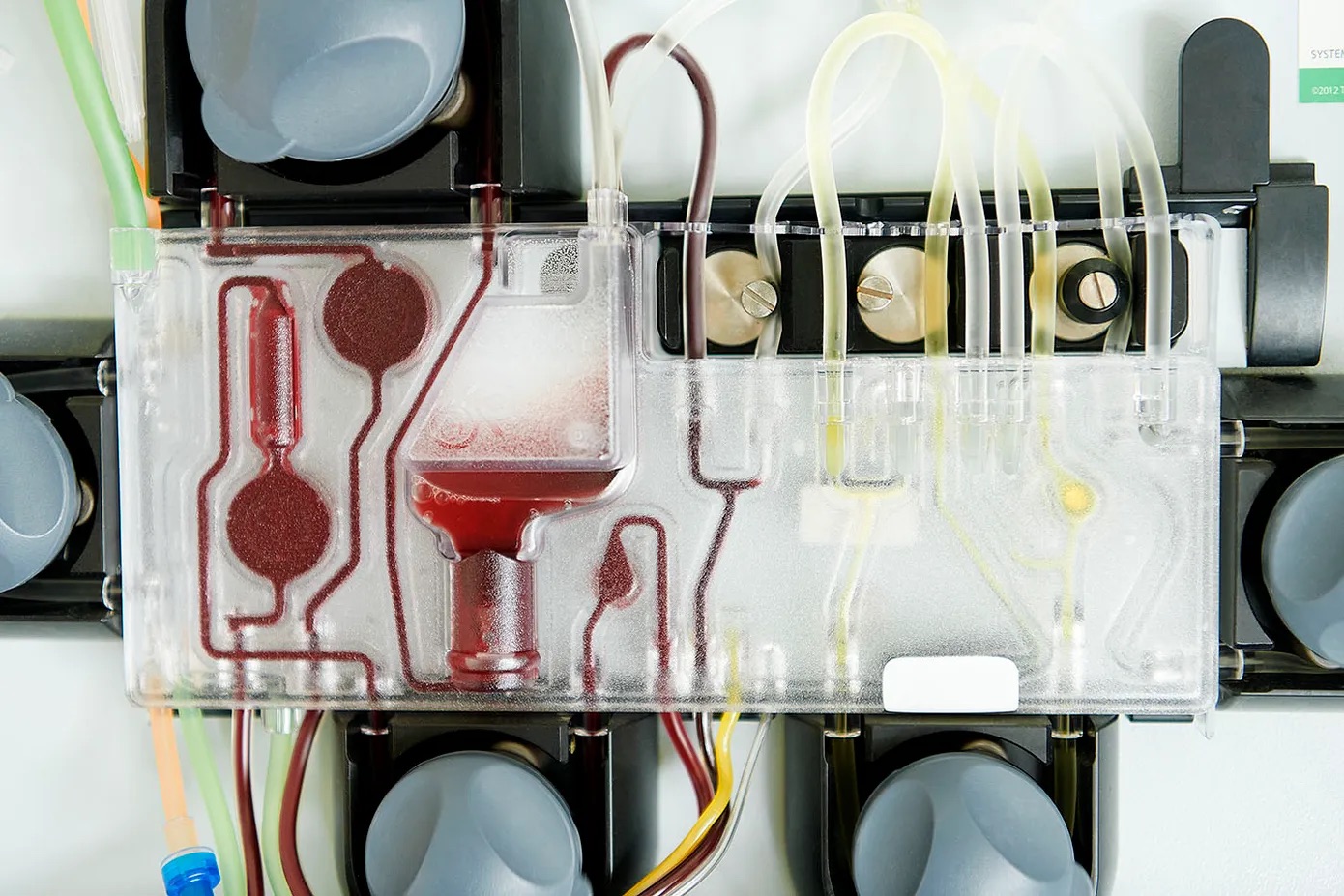
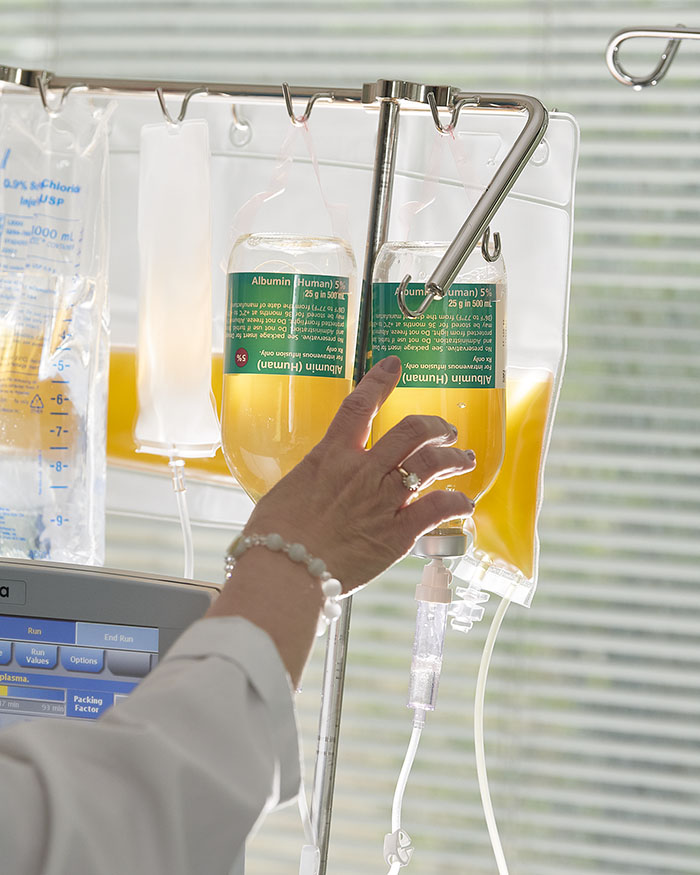
In this article, we expose the 5 Silent Risk Factors for Alzheimer's and explain how Therapeutic Plasma Exchange (TPE) is uniquely capable of addressing them.
1. Fibrinogen (The Clotter)
What it is: A protein that helps blood clot. The Risk: High levels of fibrinogen make your blood thick and sticky (hyperviscosity).
- The Brain Impact: Thick blood struggles to move through the microscopic capillaries of the brain. This leads to chronic low-level oxygen starvation (hypoperfusion).
- The Damage: Fibrinogen also weakens the Blood-Brain Barrier and triggers inflammation. High fibrinogen is strongly linked to vascular dementia and Alzheimer's.
- The Fix: TPE is the only rapid way to lower fibrinogen. It physically removes the protein, instantly thinning the blood and restoring smooth flow to the brain.
2. Homocysteine (The Neurotoxin)
What it is: An amino acid produced when your body breaks down proteins. The Risk: High homocysteine indicates a breakdown in methylation (a critical cellular process).
- The Brain Impact: It is directly toxic to neurons. It causes oxidative stress and damages the lining of arteries. High levels double the risk of Alzheimer's.
- The Fix: While B-vitamins (B6, B12, Folate) help lower production, TPE can help clear the accumulated excess in the plasma, resetting the baseline.
3. Lp(a) - Lipoprotein(a) (The Sticky Cholesterol)
What it is: A genetic type of cholesterol particle that is extremely sticky and inflammatory. The Risk: Diet and exercise do not lower Lp(a). It is purely genetic.
- The Brain Impact: It causes rapid clogging of arteries (atherosclerosis), reducing blood flow to the brain. It acts like "Velcro" for plaques in your blood vessels.
- The Fix: Statins don't work on Lp(a). Lipoprotein Apheresis (a form of TPE) is the FDA-approved treatment for high Lp(a). It filters this specific particle out of the blood, saving your arteries.
4. Hs-CRP (The Fire Alarm)
What it is: High-sensitivity C-Reactive Protein. It measures systemic inflammation. The Risk: Chronic, low-grade inflammation.
- The Brain Impact: If your body is inflamed, your brain is inflamed. High CRP correlates with brain shrinkage (atrophy) and cognitive decline. It signals that your immune system is constantly active, causing collateral damage to healthy tissue.
- The Fix: TPE is an "anti-inflammatory bomb." It washes out the cytokines driving the CRP number up, often normalizing levels after just a few sessions.
5. Heavy Metal Load
What it is: The accumulation of lead, mercury, and aluminum in tissues. The Risk: Most doctors never test for this unless you have acute poisoning.
- The Brain Impact: As discussed in our previous articles, these metals are neurotoxins that accelerate amyloid plaque formation.
- The Fix: TPE mobilizes and removes plasma-bound metals, reducing the total body burden over time.
The VIP TPE Difference: Advanced Diagnostics
At VIP TPE, we don't settle for "normal." Before we begin any treatment, we recommend a deep-dive analysis of your blood. We look for these silent killers.
If you have:
- High Fibrinogen
- High Homocysteine
- High Lp(a)
- High CRP
- History of metal exposure
...then you are a prime candidate for Therapeutic Plasma Exchange.
TPE is not just about removing amyloid. It is about optimizing the entire fluid environment of your body. By normalizing these 5 factors, we create a biological state where your brain can heal, thrive, and resist aging.
Don't fly blind. Get the right tests. Get the right treatment.
Contact us to schedule your Advanced Biomarker Panel. Learn more about our Longevity Protocols. FAQ: What blood tests should I ask for?