Understanding the 7 Stages of Alzheimer's: When is the Best Time for TPE?

Understanding the 7 Stages of Alzheimer's: When is the Best Time for TPE?
Alzheimer's is not a cliff; it is a slope. It progresses slowly, often invisibly, over decades.
Doctors and researchers typically divide the disease into 7 Stages, known as the Global Deterioration Scale (GDS). Understanding where a patient falls on this scale is vital because treatments that work in Stage 2 may be useless in Stage 7.
One of the most common questions we get at VIP TPE is: "Is it too late?"
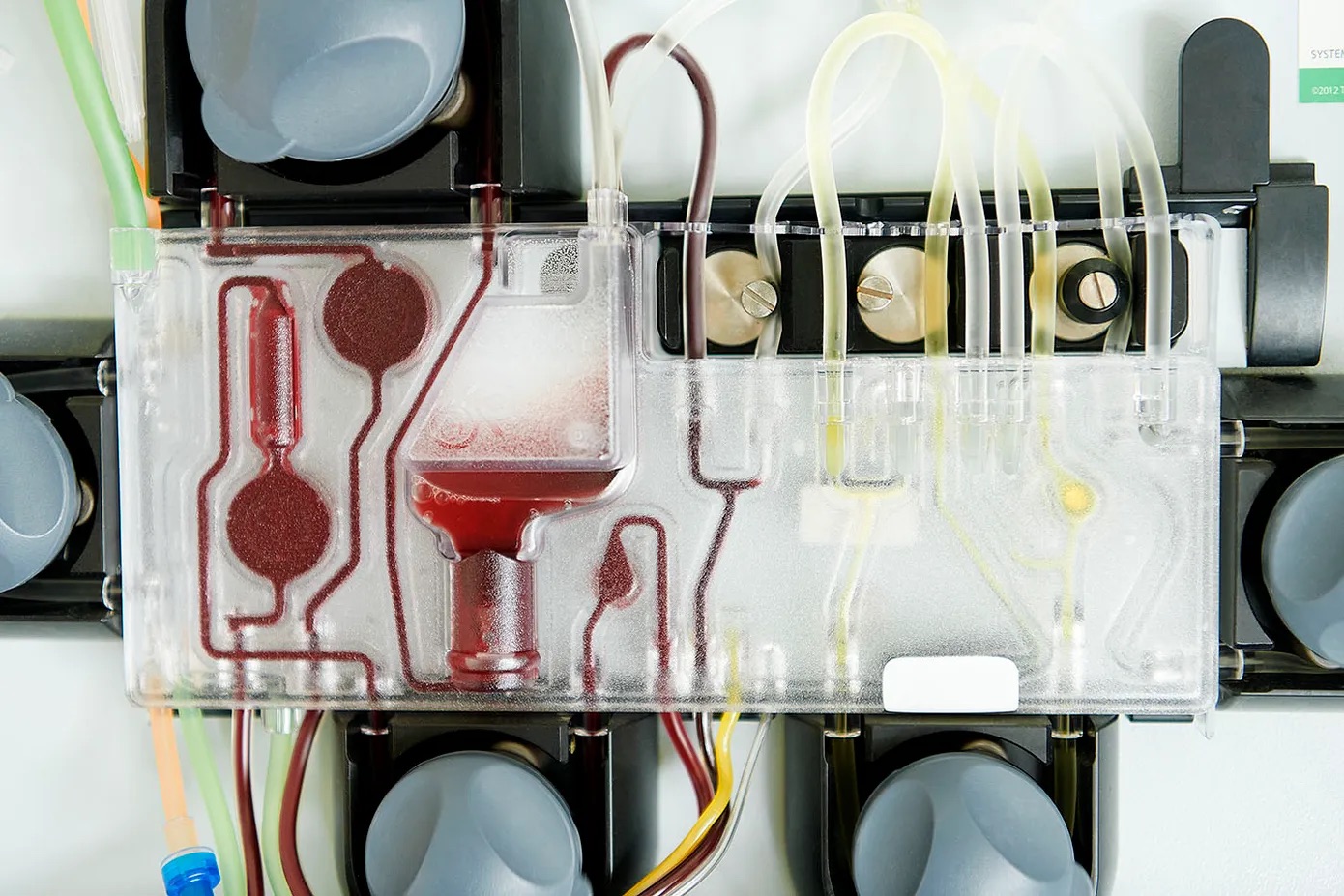
In this article, we map out the 7 stages of decline and identify the Therapeutic Window—the critical period where interventions like Therapeutic Plasma Exchange (TPE) can have the most profound impact.
The 7 Stages of Decline
Stage 1: No Impairment (Normal Function)
- Symptoms: None. The person functions normally.
- Biological Reality: However, amyloid plaques may already be forming silently in the brain. This is the "Preclinical Phase."
- TPE Role: Prevention. Ideal for high-risk individuals (APOE4 carriers) to keep the blood clean and prevent plaque accumulation.
Stage 2: Very Mild Decline (Normal Aging?)
- Symptoms: Slight memory lapses. Forgetting names, misplacing keys. Often dismissed as "getting old."
- Diagnosis: Usually cannot be detected by clinical tests.
- TPE Role: Proactive Intervention. This is the "Golden Window." Treating here can reverse symptoms and potentially delay Stage 3 for years.
Stage 3: Mild Cognitive Impairment (MCI)
- Symptoms: Friends and family start to notice. Difficulty finding words, trouble planning/organizing, getting lost in familiar places, poor performance at work.
- Diagnosis: Detectable by detailed medical interviews.
- TPE Role: Critical Treatment. This was the primary group in the AMBAR Trial. TPE showed a 61% slowing of progression in this group. This is the time to act aggressively.
Stage 4: Moderate Decline (Mild Dementia)
- Symptoms: Clear impairment. Forgetting recent events, inability to manage finances/math, withdrawal from complex social situations. The patient is still independent but struggling.
- TPE Role: Management. TPE can still stabilize the condition and preserve independence. The goal here is to keep the patient in Stage 4 and prevent the slide into Stage 5.
Stage 5: Moderately Severe Decline (Moderate Dementia)
- Symptoms: Needs help with daily activities. Confusion about time and place (what day is it?). Trouble dressing appropriately. Still remembers family names but may forget details.
- TPE Role: Symptom Relief. TPE may improve alertness, sleep, and mood ("sunlighting"), but significant cognitive reversal is less likely. It can improve quality of life for both patient and caregiver.
Stage 6: Severe Decline (Moderately Severe Dementia)
- Symptoms: Personality changes (paranoia, delusions). Needs help with toileting/bathing. Wandering. May forget names of spouse/children.
- TPE Role: Palliative. Focus is on reducing inflammation and agitation.
Stage 7: Very Severe Decline (Severe Dementia)
- Symptoms: Loss of ability to speak, walk, or swallow. Total care required.
- TPE Role: Generally not recommended as the neuronal damage is extensive and irreversible.
The "Therapeutic Window": Why Early is Better
The data is clear: TPE works best in Stages 2, 3, and early 4.
Why? Because TPE works by cleaning the environment.
- Early Stages: The neurons are "sick" but alive. They are struggling because of the toxic sludge (amyloid/inflammation) around them. If you clean the sludge (via TPE), the neurons can recover and function again.
- Late Stages: The neurons are dead. No amount of cleaning can bring a dead cell back to life.
The Tragedy of "Wait and See"
The biggest mistake families make is waiting. They wait for the diagnosis to be "certain." They wait until the memory loss is severe enough to be undeniable.
By the time a diagnosis is undeniable, the patient is often in Stage 4 or 5. The window of maximum opportunity has closed.
In Alzheimer's, time is neuron.
How to Assess Your Stage
If you are unsure where you or a loved one stands:
- Clinical Assessment: See a neurologist for a MMSE (Mini-Mental State Exam) or MoCA test.
- Biomarkers: New blood tests (p-Tau 217) and PET scans can confirm amyloid presence even in Stage 2/3.
- Consult VIP TPE: We can help review your medical history.
Our Approach at Each Stage
At VIP TPE, we tailor our protocols to the stage of the disease.
- Prevention (Stage 1-2): Lower frequency treatments (e.g., quarterly) to maintain a pristine biological environment.
- Active Treatment (Stage 3-4): "Induction Phase" of intensive treatments (weekly/bi-weekly) to rapidly debulk the toxin load and arrest progression, followed by maintenance.
Don't wait for the darkness to fall. If you are in the early stages, you have a chance to change the trajectory.
Contact us for a Stage Assessment. Learn about our Early Intervention Protocols. Read the AMBAR Trial Data.