Accelerated Recovery: Using TPE to Bounce Back Faster from Stress and Injury
Accelerated Recovery: Using TPE to Bounce Back Faster from Stress and Injury
Recovery is a universal need. We all experience trauma—physical, emotional, or physiological. It might be a surgery, a sports injury, a viral infection, or a period of intense work stress.
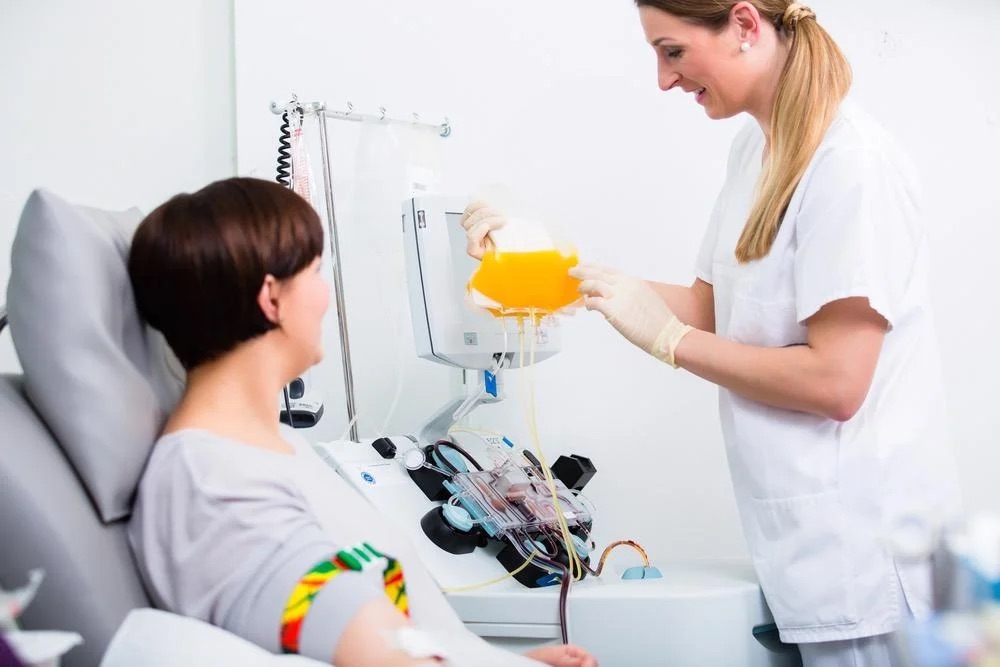
The body has an innate ability to heal, but sometimes the process gets stuck. Inflammation lingers, swelling persists, and energy remains low. This is where Therapeutic Plasma Exchange (TPE) comes in.
TPE acts as a catalyst for recovery. By rapidly clearing the blood of the inflammatory byproducts, cellular debris, and stress hormones that impede healing, TPE helps the body turn the corner from "defense" to "repair."
In this article, we'll explore how TPE can be used to accelerate recovery in a wide range of scenarios, helping you bounce back stronger and faster.
The Physiology of Recovery
Healing is a resource-intensive process.
1. The Inflammatory Phase
After an injury or surgery, the body rushes immune cells to the site. This causes swelling, redness, and pain. This acute inflammation is necessary to clean up damaged tissue. However, if it persists too long (chronic inflammation), it prevents the next phase: regeneration.
2. The Proliferative Phase
New tissue is built. Fibroblasts lay down collagen, and new blood vessels form (angiogenesis). This requires a clean environment and good blood flow.
3. The Remodeling Phase
The new tissue is strengthened and organized.
Why Recovery Stalls
- Systemic Inflammation: If the whole body is inflamed, local healing slows down.
- Poor Circulation: Swelling and thick blood (high fibrinogen) reduce oxygen delivery to the injury site.
- Toxic Load: Metabolic waste from cell death (necrosis) accumulates, poisoning healthy cells.
- Stress: High cortisol inhibits healing.
How TPE Accelerates Healing
TPE optimizes the biological conditions for rapid recovery.
1. Clearing the Debris
After surgery or major trauma, the blood is full of cellular debris—dead cells, enzymes (like CK), and inflammatory cytokines. TPE physically removes this "biological trash." By lowering the systemic load of waste, it allows the liver and kidneys to focus on normal detox, rather than being overwhelmed.
2. Reducing Swelling (Edema)
Swelling is caused by fluid leaking from blood vessels due to inflammation. TPE removes the inflammatory mediators that cause leakiness. It also removes excess fluid volume. This reduction in systemic edema helps local swelling resolve faster, reducing pain and improving mobility.
3. Improving Microcirculation
Healing requires oxygen. Oxygen is carried by red blood cells. If plasma is thick with fibrinogen (a clotting protein that rises after injury), blood flows slowly. TPE removes fibrinogen, thinning the blood and improving flow into the tiny capillaries of the injured tissue. More oxygen = faster healing.
4. Modulating the Immune Response
TPE calms the immune system. By removing excess cytokines, it prevents the inflammatory phase from dragging on, allowing the body to shift gears into the proliferative (rebuilding) phase sooner.
5. Boosting Antioxidants
Trauma generates massive oxidative stress. TPE infuses fresh albumin, the body's main antioxidant. This protects healthy tissue from bystander damage and supports repair.
Clinical Applications for Recovery
Who can benefit from TPE for recovery?
1. Post-Surgical Patients
- Orthopedic Surgery: Knee/hip replacements, ACL repair. TPE can reduce post-op swelling and pain, speeding up rehab.
- Plastic Surgery: Faster resolution of bruising and swelling for better aesthetic results.
- General Surgery: quicker return to baseline energy.
2. Athletes with Injuries
- Muscle Tears: Faster clearance of inflammatory markers speeds up muscle repair.
- Concussions: Reducing neuroinflammation is critical for brain recovery. TPE may help clear toxic byproducts from the brain.
- Overtraining: Flushing out metabolic waste (lactate, ammonia) helps reset the system.
3. High-Stress Professionals
- Burnout: Chronic stress is a form of trauma. It dysregulates the HPA axis and immune system. TPE can help "flush" the stress chemicals and reset the biological baseline.
4. Post-Viral Recovery
- Long COVID: As discussed, TPE is a powerful tool to clear viral debris and autoantibodies, facilitating recovery from post-viral fatigue.
The Recovery Protocol
Timing is everything in recovery.
1. Acute Phase (Post-Op/Injury)
- Timing: 24-72 hours after the event (once stable).
- Goal: Flush out acute inflammatory markers and debris.
- Sessions: 1-3 sessions are often sufficient for acute recovery.
2. Chronic Phase (Burnout/Long COVID)
- Timing: Anytime.
- Goal: Reset the chronic inflammatory loop.
- Sessions: A series of 3-6 sessions.
3. Pre-Habilitation (Before Surgery)
- Goal: Optimize the body before trauma. A "clean" system heals faster.
- Timing: 1 week before surgery.
Conclusion
Recovery shouldn't be a waiting game. You can actively support your body's healing process. Therapeutic Plasma Exchange provides a powerful physiological advantage. By clearing the obstacles to healing—inflammation, debris, and poor circulation—TPE helps you get back to your life, your sport, and your work faster.
If you are facing a recovery challenge, consider TPE as part of your healing strategy.
At VIP TPE, we work with surgeons, trainers, and patients to integrate TPE into comprehensive recovery plans. Our goal is to help you bounce back better than before.
Frequently Asked Questions (FAQ)
Q: Is TPE safe after surgery? A: Yes, generally. We wait until you are hemodynamically stable (usually 24-48 hours). It can actually reduce the risk of post-op complications like clots (by improving flow) and infection (by modulating immunity).
Q: Will it affect my wound healing? A: Yes, positively. Better blood flow and less inflammation typically lead to faster, cleaner wound healing with less scarring.
Q: Can I do TPE if I have a cast/brace? A: Yes. We access veins in your arm or use a central line if needed. It doesn't interfere with immobilization.
Q: Does insurance cover TPE for surgical recovery? A: No. It is considered an elective, adjunctive therapy for recovery enhancement.
Q: How soon will I feel better? A: Many patients report a significant reduction in pain and "brain fog" (from anesthesia/stress) after just one session.