Aluminum, Heavy Metals, and Alzheimer's: Is Your Environment Aging Your Brain?

Aluminum, Heavy Metals, and Alzheimer's: Is Your Environment Aging Your Brain?
In the 1960s and 70s, a theory emerged that threw away our aluminum pans and soda cans: the idea that aluminum causes Alzheimer's disease.
For years, mainstream medicine pushed back, calling the link inconclusive. But the theory never died. In fact, recent research using advanced imaging techniques has found high concentrations of aluminum in the brains of familial Alzheimer's patients—specifically located in the same regions as the amyloid plaques.
But it's not just aluminum. We live in a toxic soup of heavy metals—Mercury, Lead, Cadmium, Arsenic. These neurotoxins are in our air, water, food, and dental fillings. They are bio-accumulative, meaning they enter the body and stay there, building up over decades until they reach a tipping point.
Is your environment silently aging your brain? And if these metals are already inside you, how do you get them out?
In this article, we explore the toxicology of Alzheimer's and why Therapeutic Plasma Exchange (TPE) is superior to traditional chelation for rapid detoxification.
The Toxic Invaders: How Metals Damage the Brain
Heavy metals are "neurotoxic" because they interfere with the electrical and chemical signaling of neurons.
1. Aluminum
Aluminum has no biological function in the human body. It is a pure invader.
- The Trojan Horse: Aluminum mimics other metals like iron, tricking the body's transport systems into carrying it across the Blood-Brain Barrier.
- Plaque Formation: Once in the brain, aluminum promotes the aggregation of beta-amyloid. It acts like a seed, causing the protein to clump together faster and form insoluble plaques.
2. Mercury
Often from seafood or dental amalgams, mercury is highly destructive to the myelin sheath (the insulation around nerves). It causes oxidative stress that destroys the structural integrity of neurons.
3. Lead
Even at low levels, lead exposure is linked to cognitive decline. It competes with calcium in the brain, disrupting neurotransmitter release and synaptic plasticity (the ability to learn and remember).
The Bio-Accumulation Problem
The problem with heavy metals is that the body has no efficient mechanism to get rid of them.
- Half-Life: The half-life of these metals in the brain can be decades.
- Sequestration: The body tries to hide them in fat tissue and bone to protect vital organs, but stress or aging can release them back into the bloodstream.
Detoxification: Chelation vs. TPE
For years, Chelation Therapy was the only option. This involves taking a drug (like EDTA or DMSA) that binds to metals so they can be peed out.
- Drawbacks of Chelation: It is slow (taking months or years), can be hard on the kidneys, and creates a "redistribution" risk where metals are mobilized but not excreted, ending up re-settling in the brain.
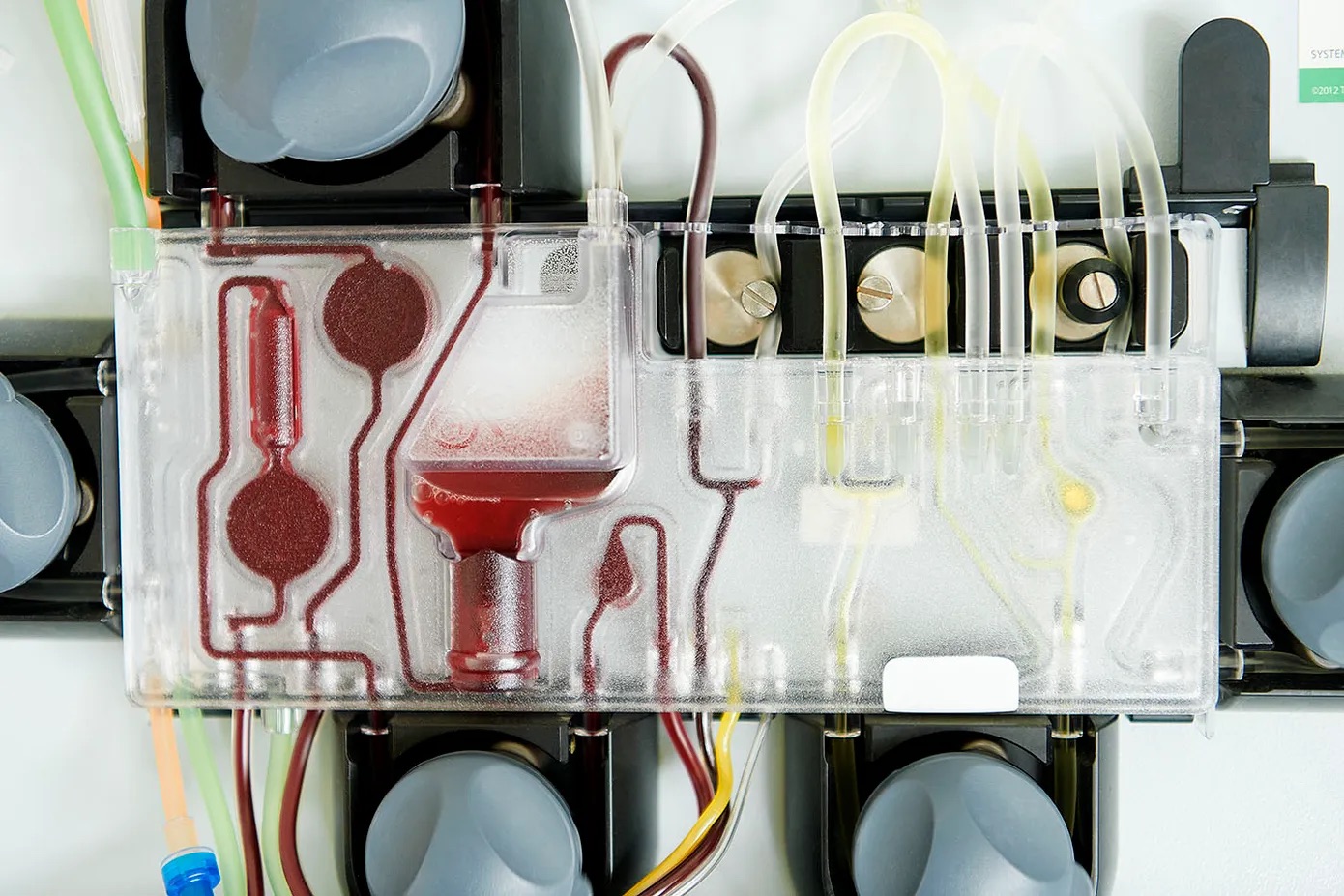
Therapeutic Plasma Exchange (TPE) offers a fundamentally different and more mechanical approach.
Why TPE is the "Ultimate Detox"
TPE doesn't rely on chemical binding or kidney filtration. It physically removes the medium where the toxins are floating.
-
Removal of Plasma-Bound Metals: Many heavy metals travel in the blood bound to plasma proteins (like Albumin). TPE removes the entire plasma volume.
- It's like draining the dirty oil from a car engine rather than just adding an additive to clean it.
- Efficiency: A single TPE session can remove a massive load of circulating toxins that would take months to clear via chelation.
-
The Concentration Gradient:
- By cleaning the blood, TPE creates a vacuum (gradient).
- Toxins stored in tissues (like the brain and fat) move into the clean blood to restore equilibrium.
- Subsequent TPE sessions remove these newly mobilized toxins. This allows for a deep cellular detox over time without the redistribution risks of chelation.
-
Restoring the Barrier:
- Heavy metals damage the Blood-Brain Barrier (BBB), making it leaky.
- TPE removes the inflammatory cytokines that keep the BBB open, helping it heal and close the gates to future toxin entry.
Who Should Be Concerned?
You might be at higher risk for heavy metal toxicity if:
- You have silver (amalgam) dental fillings.
- You consume large amounts of predatory fish (tuna, swordfish).
- You have lived in industrial areas or older homes (lead paint/pipes).
- You have used aluminum-containing antiperspirants or cookware for decades.
- You have occupational exposure (welding, mining, construction).
A Clean Slate for Your Brain
We cannot completely avoid environmental toxins. But we don't have to let them accumulate until they destroy our minds.
If you are concerned about heavy metal exposure and its link to cognitive decline, TPE provides a safe, rapid, and medically supervised method to reduce your total body burden.
At VIP TPE, our "Deep Detox" protocols are designed for patients who want to go beyond juice cleanses and supplements. We use medical science to physically purify your system, giving your brain the clean environment it needs to thrive.
Pollution is inevitable. Accumulation is optional.
Schedule a Consultation for Heavy Metal Detox. Explore our Detoxification Services. FAQ: TPE vs. Chelation.