Alzheimer’s Doesn’t Have to Be Your Future
Alzheimer’s Doesn’t Have to Be Your Future
For generations, Alzheimer's Disease has been the boogeyman of aging—a silent, creeping thief that steals memories and identity, with no way to stop it. If your parents or grandparents suffered from it, you might feel that you are staring down the barrel of a loaded genetic gun.
But in 2025, the narrative is changing. We are moving from an era of "inevitability" to an era of "interception."
Science has revealed that Alzheimer's is not a sudden event but a process that begins 20-30 years before the first symptom appears. This long runway is not a curse; it is an opportunity. It means we have decades to intervene.
In this article, we explore why your genetic fate is not sealed and the proactive steps you can take today to rewrite your cognitive future.
The Epigenetic Revolution
You may carry the APOE4 gene (the strongest risk factor for Alzheimer's), but genes are not destiny. They are merely the blueprint. Epigenetics is the contractor that decides whether to follow that blueprint or build something else.
Lifestyle factors—diet, sleep, stress, and toxin exposure—can turn these "bad genes" off or on.
- The Evidence: Studies show that carriers of the APOE4 gene who maintain a healthy lifestyle have a risk of dementia that is nearly the same as non-carriers with a poor lifestyle. You have control.
Prevention Strategy 1: The Vascular Connection
"What is good for the heart is good for the brain." This is not just a slogan; it is physiology.
- Blood Flow: The brain relies on a robust network of blood vessels to deliver oxygen and remove waste.
- The Risk: High blood pressure, high cholesterol, and diabetes damage these vessels, leading to "vascular dementia" or accelerating Alzheimer's pathology.
- The Fix: Aggressively managing blood pressure (aiming for 120/80) is arguably the single most effective thing you can do to protect your brain in midlife.
Prevention Strategy 2: Metabolic Health
Alzheimer's is often called "Type 3 Diabetes" because of the massive insulin resistance found in the brains of patients.
- The Mechanism: When brain cells become insulin resistant, they cannot absorb glucose. They essentially starve to death.
- The Fix:
- Diet: A low-glycemic, Mediterranean, or Ketogenic diet keeps insulin levels low.
- Fasting: Intermittent fasting boosts autophagy (the body's self-cleaning mode) and improves insulin sensitivity.
Prevention Strategy 3: Cleaning the "Dirty" Blood
As we age, our blood accumulates "senescent" (zombie) cells and inflammatory proteins that cross the blood-brain barrier and wreak havoc.
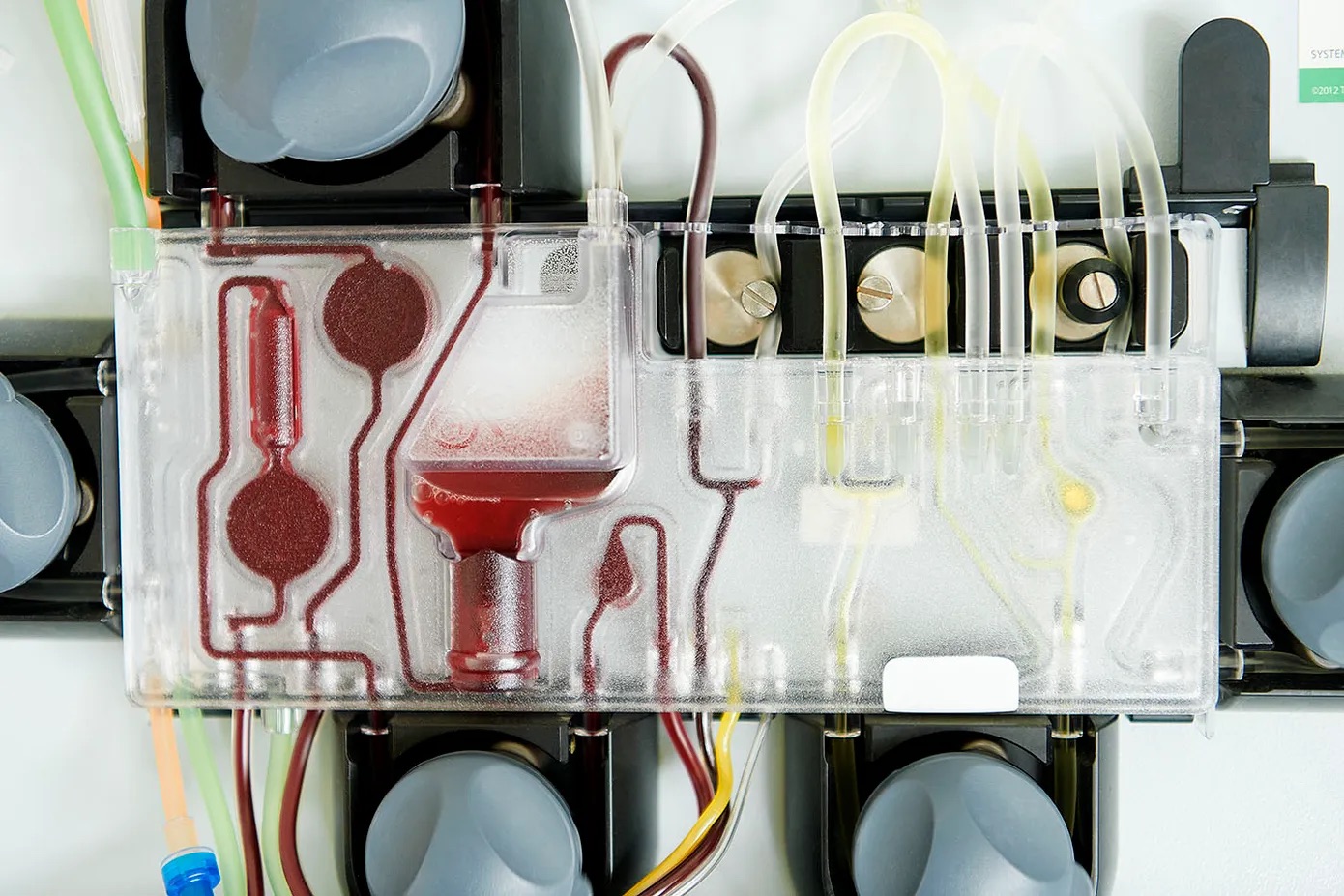
- Therapeutic Plasma Exchange (TPE): This is the frontier of prevention. By physically removing this old, inflammatory plasma and replacing it with fresh albumin, we can "wash" the brain.
- The AMBAR Trial: This study showed that TPE could halt progression in mild Alzheimer's patients. Now, forward-thinking clinics are using it as a preventative tool for high-risk individuals to keep their amyloid levels low before plaques form.
Prevention Strategy 4: Sleep as a Cleanser
During deep sleep, the brain's Glymphatic System opens up. This is a plumbing system that flushes out toxins, including amyloid-beta, that built up during the day.
- The Risk: Chronic poor sleep allows this waste to accumulate.
- The Fix: Prioritize 7-8 hours of sleep. Treat sleep apnea immediately—apnea starves the brain of oxygen and fragments sleep, preventing the glymphatic flush.
Conclusion
Fear is paralyzing, but action is empowering. Alzheimer's doesn't have to be your future. By treating your brain health with the same rigor as your heart health, exploring advanced therapies like TPE, and optimizing your metabolic engine, you can stack the deck in your favor. The future of your mind is in your hands.