Alzheimer’s vs. Dementia: What’s the Difference?
Alzheimer’s vs. Dementia: What’s the Difference?
In casual conversation, the terms "Alzheimer's" and "dementia" are often used interchangeably. You might hear someone say, "She has a touch of dementia," or "He is suffering from Alzheimer's." While they are related, they are not the same thing. Understanding the distinction is not just semantics—it is critical for medical treatment, care planning, and understanding the prognosis.
To put it simply: Dementia is a symptom. Alzheimer's is a cause.
Think of it like "sore throat." A sore throat is a symptom. It can be caused by a cold, allergies, strep throat, or shouting too much. You can't just treat "sore throat" without knowing the cause. Similarly, dementia is the symptom of brain failure, and Alzheimer's is the most common disease causing it.
What is Dementia?
Dementia is an umbrella term used to describe a set of symptoms that impact memory, performance of daily activities, and communication abilities. To be classified as dementia, these symptoms must be severe enough to interfere with daily life.
Common Symptoms of Dementia:
- Memory Loss: Forgetting recent events or names.
- Communication Issues: Struggling to find words.
- Executive Dysfunction: Difficulty planning, organizing, or solving problems (e.g., balancing a checkbook).
- Disorientation: Getting lost in familiar places.
- Psychological Changes: Depression, anxiety, or personality shifts.
Dementia is not a specific disease. It is a syndrome caused by damage to brain cells.
What is Alzheimer’s Disease?
Alzheimer's Disease is a specific degenerative brain disease. It is the most common cause of dementia, accounting for 60-80% of all cases.
The Biology of Alzheimer's: It is characterized by specific physical changes in the brain:
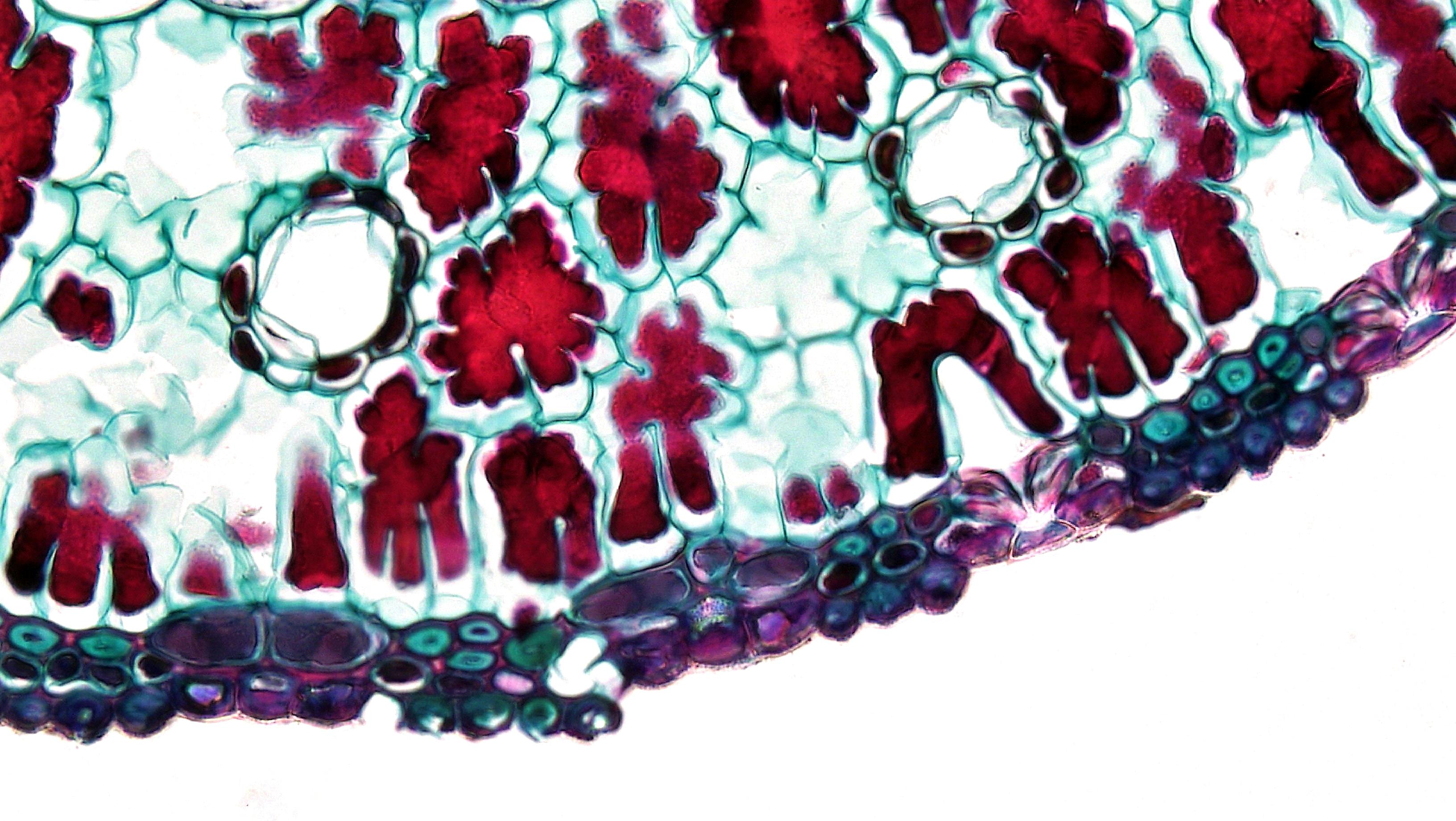
- Plaques: Clumps of a protein called beta-amyloid that build up between nerve cells.
- Tangles: Twisted fibers of another protein called tau that build up inside cells.
These plaques and tangles block communication between nerve cells and eventually cause the cells to die. The damage typically starts in the hippocampus (the part of the brain responsible for learning and memory) and spreads.
Other Types of Dementia
If Alzheimer's accounts for 60-80% of cases, what makes up the rest?
- Vascular Dementia: Caused by strokes or poor blood flow to the brain. Symptoms often appear in "steps" (sudden decline after a stroke) rather than a smooth curve. Focus is on speed of thinking and problem-solving rather than memory loss.
- Lewy Body Dementia (LBD): Caused by protein deposits called Lewy bodies. Unique symptoms include visual hallucinations, sleep disturbances, and movement issues similar to Parkinson's.
- Frontotemporal Dementia (FTD): Affects the front and sides of the brain. It primarily impacts personality, behavior, and language. A person might become impulsive or rude before they show memory loss.
- Mixed Dementia: It is possible to have more than one type (e.g., Alzheimer's plaques + vascular damage from a stroke).
Why Does the Diagnosis Matter?
You might ask, "If there is no cure, why does it matter which one I have?" It matters immensely for management.
- Medication Response: Drugs approved for Alzheimer's (like Aricept) may not work for FTD and could actually worsen symptoms in Lewy Body Dementia.
- Progression Speed: Vascular dementia progression can sometimes be halted by controlling blood pressure and cholesterol. Alzheimer's is typically a slow, steady decline.
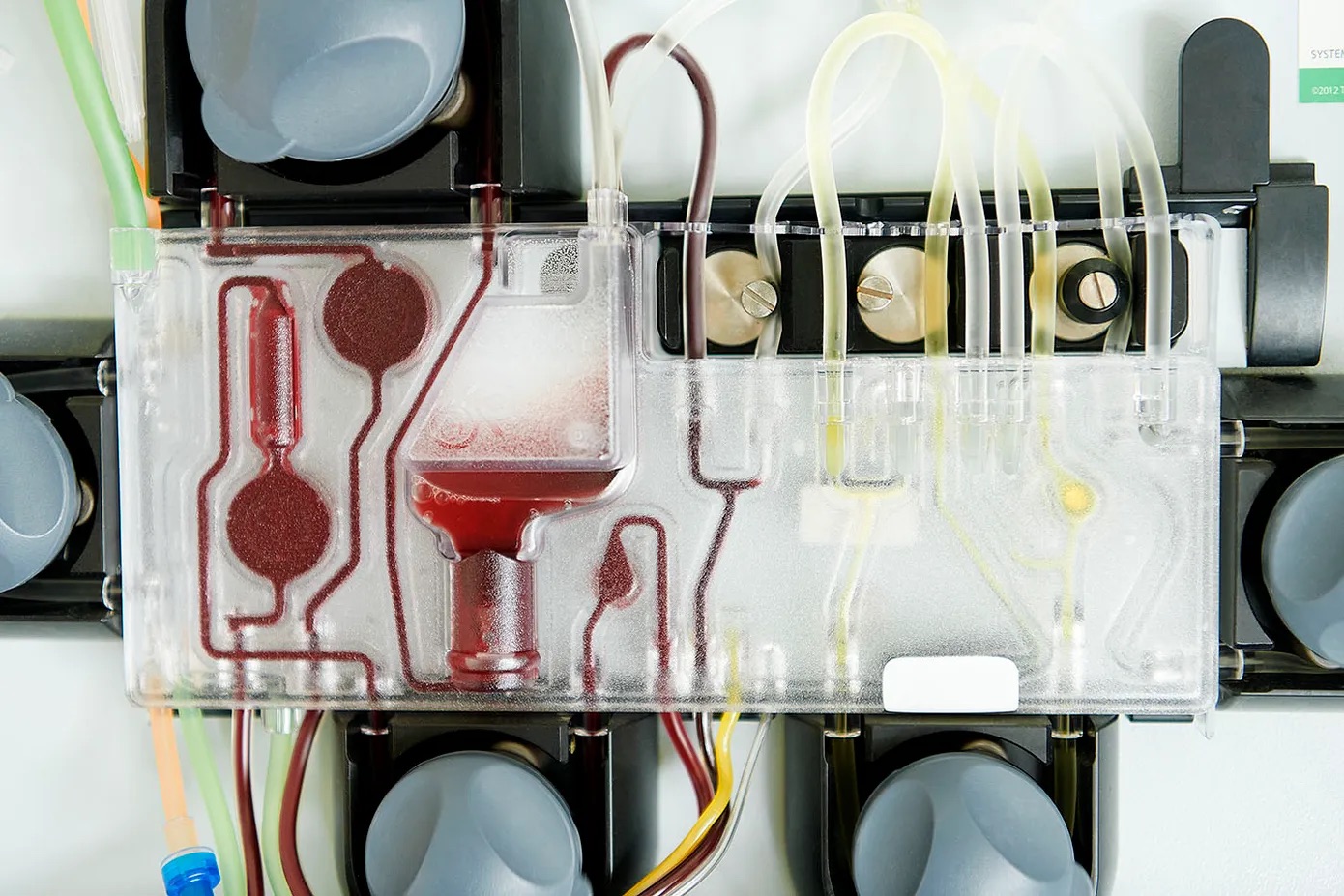
- Treatment Options: New therapies like Lecanemab (antibody infusions) or Therapeutic Plasma Exchange (TPE) specifically target the amyloid and inflammatory mechanisms of Alzheimer's. They would not be effective for a patient whose dementia is caused solely by strokes.
- Family Planning: Some forms of dementia (like early-onset Alzheimer's or FTD) have a stronger genetic component, which is important information for children and siblings.
Conclusion
If you or a loved one are experiencing "senior moments" that feel like more than just normal aging, don't assume it's "just dementia." Seek a thorough evaluation from a neurologist. Getting the specific label—whether it's Alzheimer's, Vascular, or Lewy Body—is the first step in accessing the right tools, treatments, and support systems to navigate the road ahead.