Beyond "Young Blood": Why TPE is Different from Parabiosis
Beyond "Young Blood": Why TPE is Different from Parabiosis
In the world of longevity, few topics have grabbed headlines like "Young Blood." Silicon Valley billionaires, HBO's Silicon Valley, and sensationalist news articles have painted a picture of the ultra-rich harvesting blood from teenagers to stay young forever. This "vampire" narrative is catchy, but it is scientifically inaccurate and ethically fraught. It is crucial to clarify a major distinction: Therapeutic Plasma Exchange (TPE) is NOT "young blood" transfusion. TPE is a fundamentally different, safer, and scientifically superior approach. In this article, we will debunk the myths, explain the science of parabiosis, and show why the future of aging is about cleaning your own blood, not taking someone else's.
The Origin Story: Parabiosis
The myth started with legitimate science. In the mid-2000s, researchers revived an old surgical technique called heterochronic parabiosis.
- The Experiment: They surgically connected the circulatory systems of two mice: one old, one young. They shared a blood supply.
- The Result: The old mouse showed remarkable signs of rejuvenation—muscle repaired faster, the liver functioned better, and the brain grew new neurons.
- The Initial Conclusion: Scientists assumed there was something magical in the young blood—a "youth factor" or hormone—that was curing the old mouse.
This led to a brief, controversial trend of companies selling plasma from young donors (ages 16-25) to older adults. The FDA eventually issued a warning against this practice due to safety concerns and lack of proven efficacy.
The Twist: It's Not What You Add, It's What You Remove
As science advanced, researchers (notably Dr. Irina Conboy at UC Berkeley) asked a critical question: Was the old mouse getting younger because of the young blood, or because the young blood was diluting the old blood? To test this, they designed a new experiment: Neutral Blood Exchange.
- Instead of connecting an old mouse to a young mouse, they simply removed half of the old mouse's plasma and replaced it with saline and albumin (neutral fluids).
- The Result: The old mouse showed the same rejuvenation effects as it did with the young blood. Muscle, liver, and brain health improved significantly.
This changed everything. It proved that the primary driver of aging in the blood is not the lack of youth factors, but the accumulation of pro-aging toxins (inflammatory cytokines, senescent factors, etc.). The young mouse in the original experiment wasn't acting as a donor of youth; it was acting as a filter, cleaning the old mouse's blood.
TPE vs. Young Plasma Transfusion: The Differences
Here is why TPE (the "Neutral Blood Exchange" approach) is the superior and ethical choice:
1. Safety
- Young Plasma Transfusion: Receiving plasma from another person (allogeneic) carries risks. Even with screening, there is a risk of TRALI (Transfusion-Related Acute Lung Injury), anaphylaxis (severe allergic reaction), and potential transmission of undetected pathogens. Your immune system may react to the foreign proteins.
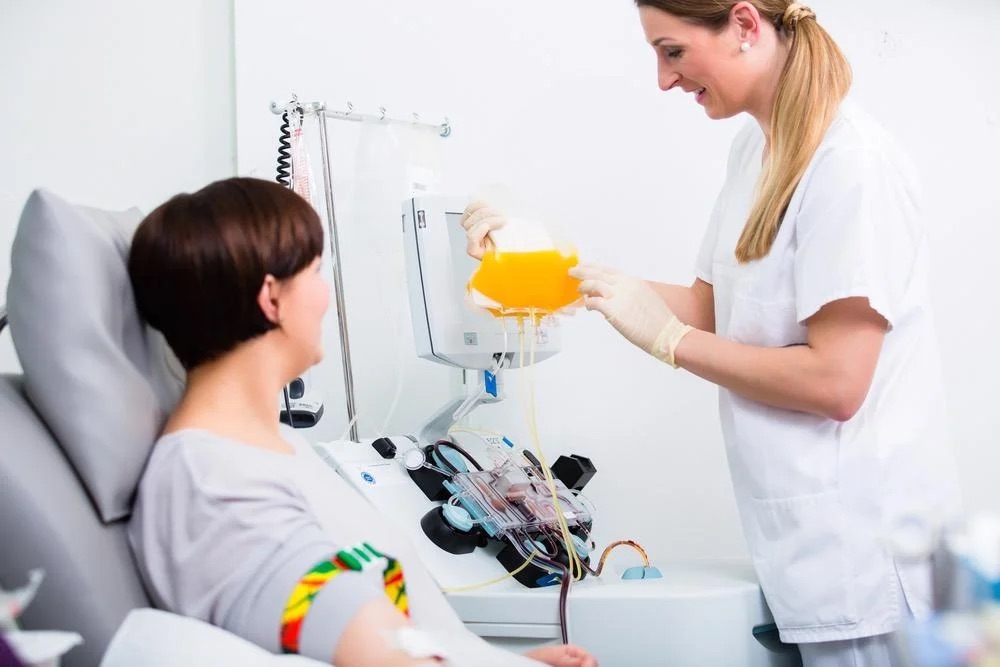
- TPE: In TPE, we remove your plasma and replace it with Albumin. Albumin is a highly purified, pasteurized blood product. It is heat-treated to kill viruses and is extremely hypoallergenic. It is much safer than whole plasma.
2. Mechanism of Action
- Young Plasma: Relies on the hope that the small amount of "good stuff" in the donor bag will overpower the massive amount of "bad stuff" in your body. It's like pouring a cup of clean water into a muddy bucket. The water just gets muddy.
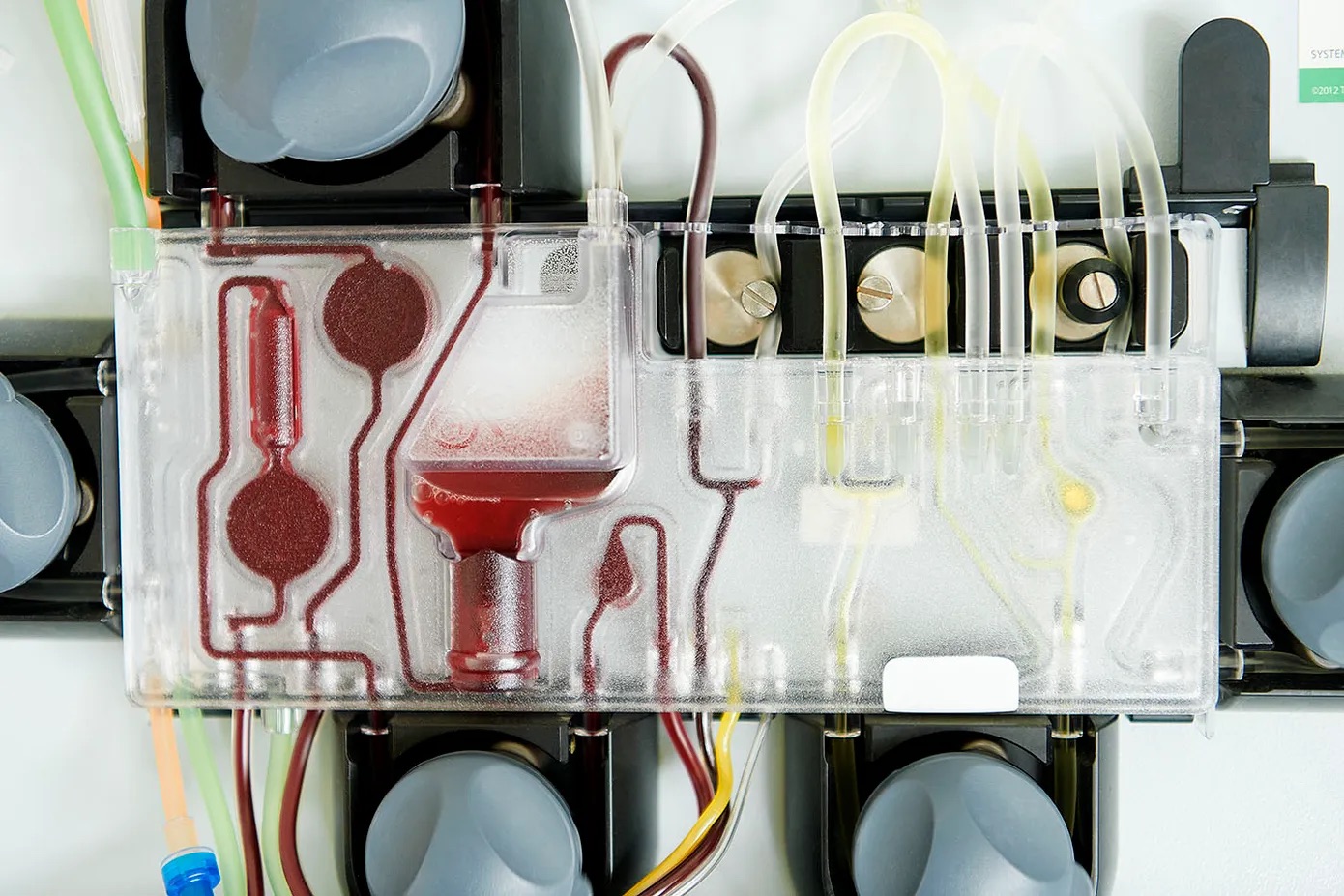
- TPE: Relies on removal. We physically remove 2.5 to 3 liters of your "muddy" plasma. We drain the swamp. By removing the inhibitors, we allow your body's own stem cells and repair mechanisms to wake up and do their job. You don't need someone else's youth; you just need to unleash your own.
3. Ethics and Sustainability
- Young Plasma: Relies on harvesting biological material from young people. This raises significant ethical questions about commodifying human bodies and creates a supply bottleneck.
- TPE: Relies on albumin (which is abundant and scalable) and medical technology. It is a sustainable, ethical medical procedure.
The "Vampire" Myth vs. Reality
| Feature | Young Blood Transfusion | Therapeutic Plasma Exchange (TPE) | | :--- | :--- | :--- | | Concept | Adding "youth factors" | Removing "aging toxins" | | Fluid Used | Plasma from young donors | Saline + Purified Albumin | | Safety Risk | Moderate (Lung injury, allergy, infection) | Low (Standard procedure risks) | | Scientific Basis | Early Parabiosis (misinterpreted) | Neutral Blood Exchange (current consensus) | | FDA Status | Warned against for anti-aging | FDA approved for medical conditions; off-label for longevity |
Why Albumin is the Secret Weapon
In TPE, we don't just use saline; we use albumin. Albumin is fascinating.
- The Sponge: It binds to toxins, drugs, and oxidative molecules.
- The Antioxidant: It is the most potent antioxidant in the blood.
- The Immunomodulator: It helps regulate the immune system. In older adults, their natural albumin is often "gunked up" (oxidized and glycated). TPE doesn't just dilute the bad stuff; it replaces your old, dirty sponge with a brand new, clean sponge. This fresh albumin actively goes to work, mopping up remaining toxins in the tissues.
Conclusion: Science over Hype
The "vampire" headlines make for good clickbait, but they make for bad medicine. The future of longevity is not about harvesting the blood of the youth. It is about understanding the engineering of the human body. The body has an incredible capacity to repair itself, but that capacity gets blocked by the pollution of aging. TPE is the most effective tool we have to remove that pollution. So, no, we don't want young blood. We want clean blood. And with TPE, we can achieve that safely, ethically, and effectively.