Breakthroughs in Alzheimer’s Research: What Patients Should Know in 2025
Breakthroughs in Alzheimer’s Research: What Patients Should Know in 2025
For decades, Alzheimer's research was a graveyard of failed trials. But the tide has turned. The years 2023-2025 have marked a historic inflection point in our battle against neurodegeneration. We have moved from "hoping for a cure" to "managing a chronic condition."
New tools—for diagnosis, treatment, and prevention—are coming online at a rapid pace. For patients and families, staying informed is no longer just academic; it provides access to life-changing options.
Here are the top breakthroughs in Alzheimer's research that you need to know about in 2025.
1. The Era of Anti-Amyloid Immunotherapy
The approval of Lecanemab (Leqembi) and Donanemab signaled the start of a new era. These monoclonal antibodies are the first drugs to unequivocally prove that removing amyloid plaques from the brain slows cognitive decline.
- The Impact: Clinical trials showed a 27-35% slowing of disease progression in early-stage patients. This translates to months of preserved independence—more time driving, managing finances, and recognizing loved ones.
- What's New in 2025: Research is now focused on "subcutaneous" versions (injections under the skin) rather than IV infusions, making treatment easier and more accessible at home.
2. Blood Tests Replacing Spinal Taps
Historically, diagnosing Alzheimer's required expensive PET scans or painful lumbar punctures (spinal taps).
- The Breakthrough: High-performance blood tests for p-Tau 217 are revolutionizing diagnosis.
- How it Works: This specific protein in the blood correlates almost perfectly with amyloid buildup in the brain.
- Impact: In 2025, a simple blood draw at your primary care doctor's office can predict Alzheimer's pathology years before symptoms start. This democratization of diagnosis allows for earlier intervention, when treatments are most effective.
3. Therapeutic Plasma Exchange (TPE) as a Disease Modifier
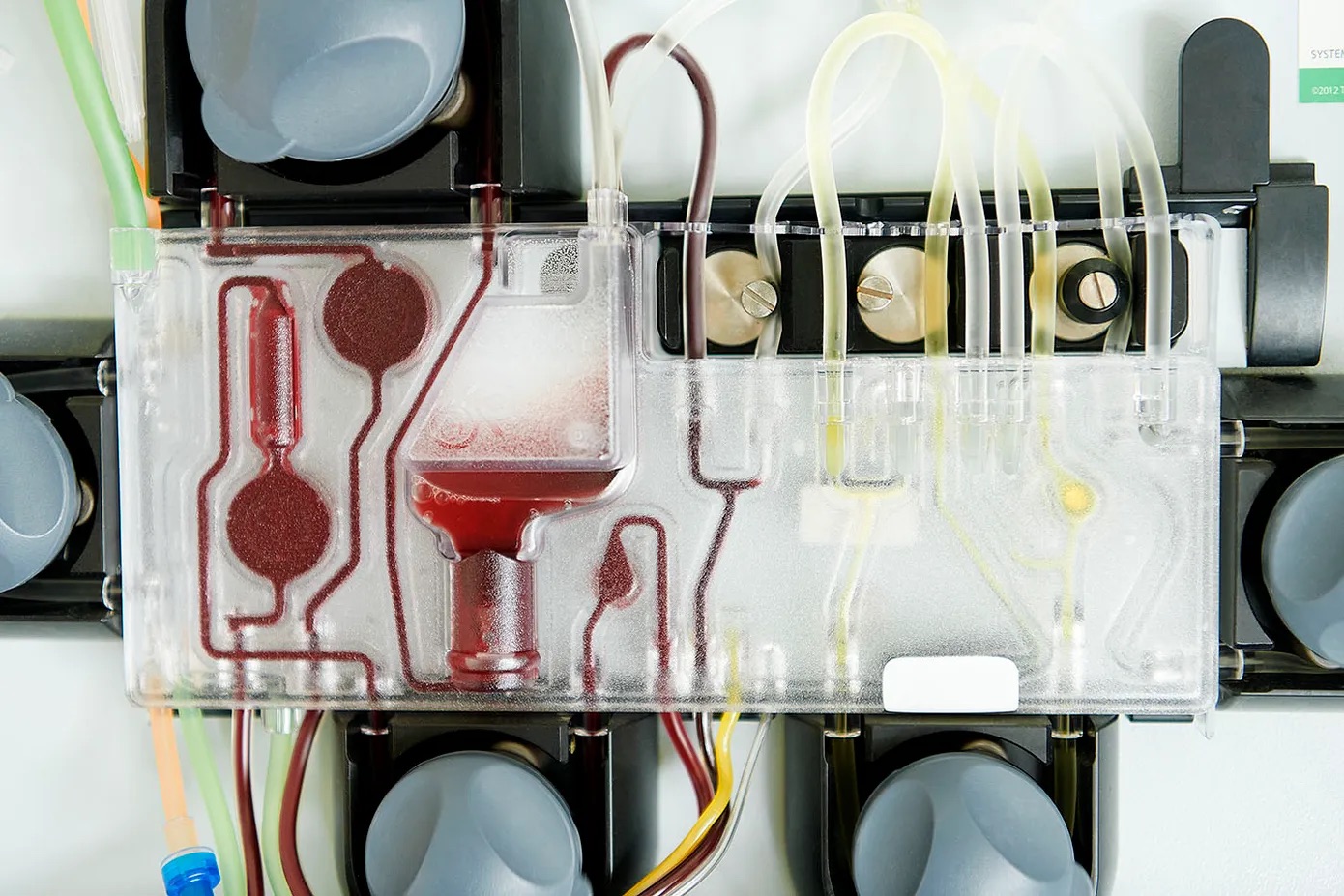
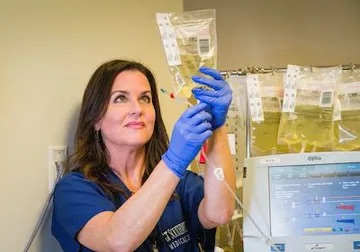
While drugs add molecules to the body, Therapeutic Plasma Exchange (TPE) removes them.
- The Science: Building on the success of the AMBAR Trial (which showed a 61% slowing of decline in moderate patients), TPE is gaining traction as a systemic treatment.
- Why it Matters: It offers a mechanism to clear toxic proteins (amyloid and tau) without the brain swelling risks (ARIA) associated with antibody drugs. It also addresses the "systemic" nature of aging by removing inflammatory factors from the blood.
- 2025 Trend: More clinics are offering TPE as a preventative or maintenance therapy for those with MCI (Mild Cognitive Impairment), often in combination with lifestyle protocols.
4. Addressing "Type 3 Diabetes" (Metabolic Psychiatry)
The link between insulin resistance and Alzheimer's is undeniable.
- GLP-1 Agonists: Drugs like Semaglutide (Ozempic) are being tested in massive Phase 3 trials for Alzheimer's. Early data suggests they reduce neuroinflammation and improve brain glucose metabolism.
- Ketogenic Therapies: Research is refining the use of medical-grade ketone esters to provide an alternative fuel source for starving brain cells, bypassing the insulin resistance blockade.
5. The Gut-Brain Axis
We now know the microbiome plays a massive role in brain health.
- The Breakthrough: In 2024, studies identified specific gut bacteria strains that drive neuroinflammation.
- Therapies: Clinical trials are testing "psychobiotics" (probiotics for the brain) and Fecal Microbiota Transplants (FMT) to reset the gut ecosystem and stop the inflammatory signals traveling up the vagus nerve to the brain.
6. Multi-Modal Prevention (The FINGER 2.0 Model)
The original FINGER study proved lifestyle changes work. Now, FINGER 2.0 is combining lifestyle with drugs (like Metformin) to see if we can supercharge prevention.
- The Takeaway: The "magic pill" approach is being replaced by "precision medicine." Your treatment plan in 2025 might look like: Leqembi infusions + a Ketogenic Diet + Sleep Apnea treatment + Brain Training.
Conclusion
The nihilism surrounding Alzheimer's is outdated. While we don't have a cure that reverses advanced damage, we have a growing arsenal of tools to stop the disease in its tracks. If you are worried about your memory:
- Get the Blood Test: Ask for a p-Tau 217 test.
- Start Early: If positive, explore Leqembi or TPE immediately.
- Optimize Lifestyle: Treat your brain like a muscle—feed it, rest it, and work it out.
The future is bright, and for the first time in history, we are winning battles in the war against Alzheimer's.