Bryan Johnson vs. Medical Science: Is TPE Safe for Longevity?
Bryan Johnson vs. Medical Science: Is TPE Safe for Longevity?
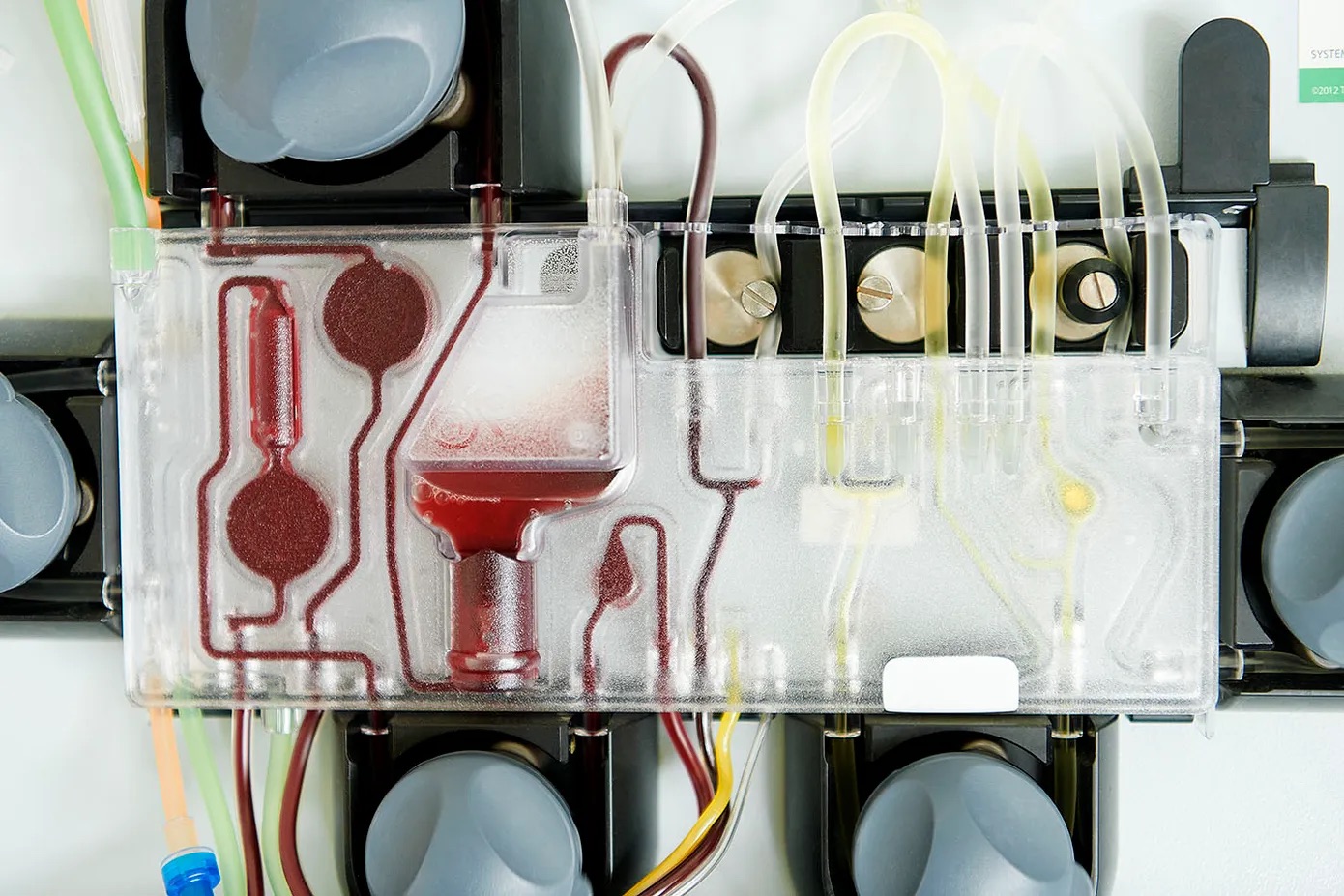
When a tech millionaire starts experimenting with his own biology, the medical establishment gets nervous. Bryan Johnson’s use of Therapeutic Plasma Exchange (TPE) for anti-aging has drawn both admiration from biohackers and skepticism from conservative doctors.
The FDA warns against "young blood" transfusions. Critics call plasma exchange "unproven" for longevity. Some even call it dangerous.
But what does the actual data say?
Is TPE a reckless experiment, or is it a safe, established procedure that is simply being repurposed for a new goal?
In this article, we separate the fear-mongering from the facts. We will analyze the safety profile of TPE, the risks involved, and why many forward-thinking physicians are now siding with Johnson.
The "Experimental" Label
First, let's clarify one thing: TPE is not experimental.
It has been used in hospitals for decades. It is the standard of care for over 80 different diseases, including:
- Guillain-Barré Syndrome
- Myasthenia Gravis
- Multiple Sclerosis
- Thrombotic Thrombocytopenic Purpura (TTP)
Doctors perform thousands of TPE procedures every day in the US. They know exactly how to do it, how to manage it, and what the risks are.
The "experiment" is not the procedure itself, but the indication. Using it to treat "aging" is new. But the mechanics of the safety profile remain the same regardless of why you are doing it.
The Safety Profile: By the Numbers
TPE is considered a safe procedure, especially when performed in an outpatient setting on stable clients (like biohackers), rather than critically ill hospital patients.
The Risks (and How We Mitigate Them)
1. Hypocalcemia (Low Calcium)
- The Risk: The anticoagulant used (Citrate) binds to calcium, which can cause tingling in the lips or fingers.
- The Mitigation: We administer oral or IV calcium during the procedure to neutralize the citrate. Symptoms disappear instantly.
- Safety Level: Mild and manageable.
2. Hypotension (Low Blood Pressure)
- The Risk: Removing fluid can temporarily lower blood pressure, causing dizziness.
- The Mitigation: We replace the plasma volume 1-for-1 with Albumin and Saline. We monitor BP constantly. By keeping the fluid balance neutral, drops in pressure are rare.
- Safety Level: Low risk in hydrated patients.
3. Infection
- The Risk: Any time you put a needle in a vein, there is a tiny risk of infection.
- The Mitigation: We use strict sterile technique, identical to a hospital operating room.
- Safety Level: Extremely rare.
4. Allergic Reaction
- The Risk: A reaction to the replacement fluid.
- The Mitigation: We use Albumin, which is a purified human protein. Unlike "Fresh Frozen Plasma" (which comes from other people and carries a risk of reaction), Albumin is pasteurized and extremely safe. Reactions are virtually non-existent compared to blood transfusions.
- Safety Level: Very low.
The "Young Blood" Confusion
Much of the criticism directed at Johnson stems from confusing TPE with "Young Blood Transfusions."
- Young Blood Transfusion: Taking plasma from a donor and putting it in you. Risk: High. You can have a transfusion reaction, catch a virus (rare but possible), or develop antibodies against the donor proteins (TRALI). The FDA rightly warns against this.
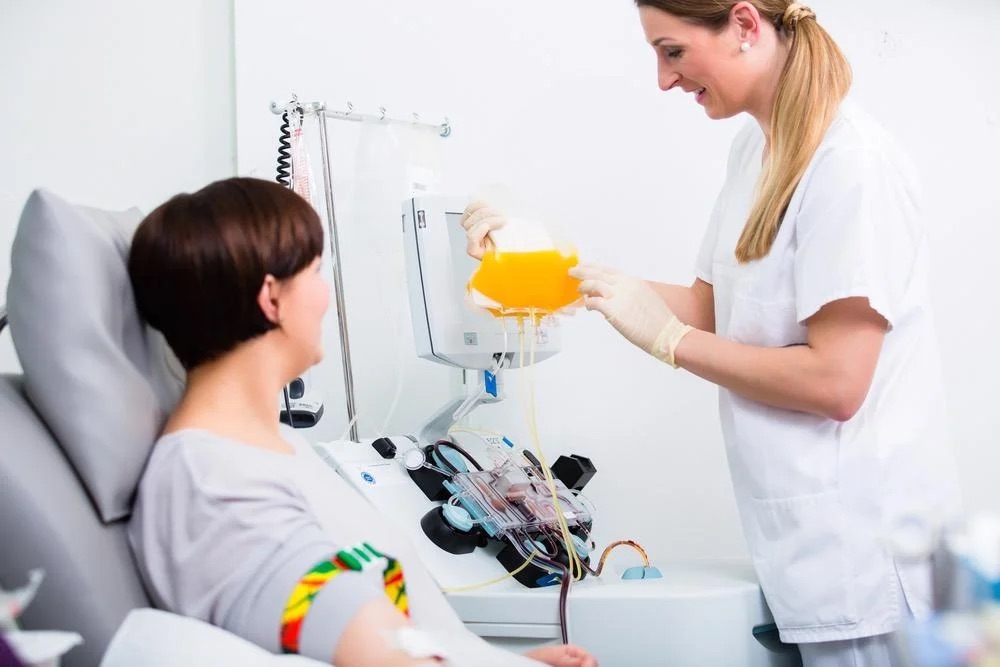
- TPE with Albumin: Taking your plasma out and replacing it with sterile Albumin. Risk: Very Low. There is no donor "blood" entering your system, just a purified protein.
Bryan Johnson uses TPE with Albumin. He is not injecting random people's blood into his veins anymore. This distinction makes his current protocol much safer and scientifically sound.
The Long-Term Safety Question
Critics argue: "We don't know the long-term effects of doing TPE repeatedly for years."
Actually, we do.
- Chronic Patients: Patients with familial hypercholesterolemia (genetic high cholesterol) undergo TPE (or lipid apheresis) every week for decades.
- The Data: These patients live longer, healthier lives because their cholesterol is managed. They do not suffer from immune collapse or mysterious side effects from the procedure itself.
The body is incredibly resilient. It regenerates plasma proteins within 48 hours. The immune system (antibodies) replenishes rapidly. There is no evidence that long-term TPE "depletes" the body in a harmful way, provided nutritional status is monitored.
Why Medical Science is Catching Up
The skepticism is fading. The AMBAR Trial was a turning point. It showed that TPE was safe and effective for Alzheimer's patients over a 14-month period.
Now, longevity clinics across the world are adopting TPE.
- The Rationale: If it's safe enough for a frail 80-year-old with Alzheimer's, it is certainly safe enough for a healthy 45-year-old biohacker.
- The Benefit/Risk Ratio: The risk of TPE is minimal (tingling lips, bruising). The potential benefit is reversing the #1 cause of death: Aging. For many, that is a bet worth taking.
Bryan Johnson vs. The Critics
Bryan Johnson is willing to be the "Crash Test Dummy" for humanity. He takes the risks so we can see the data.
His data shows:
- No adverse events.
- Perfect organ function.
- Reversed biomarkers.
Medical science is conservative by nature. It waits for double-blind, placebo-controlled trials that take 20 years. Johnson isn't waiting. And for those who understand the safety mechanisms of TPE, his approach is not reckless—it's calculated.
Conclusion
Is TPE safe for longevity? The evidence suggests yes.
- It is a standard medical procedure.
- The risks are well-known and easily managed.
- It avoids the dangers of "donor" blood.
- Long-term data from other diseases supports its safety.
While it is an elective procedure with costs and minor risks, it is far from the "dangerous experiment" some headlines suggest. It is a tool. And in the hands of experts, it is a tool that might just save your life.
Safety is our priority.
At VIP TPE, safety is not just a buzzword. It is our protocol. We use hospital-grade equipment, experienced medical staff, and strict monitoring to ensure your longevity journey is as safe as it is effective.
Learn more about our Safety Protocols.
Frequently Asked Questions (FAQ)
Q: Will TPE weaken my immune system? A: TPE removes immunoglobulins (antibodies) temporarily. However, the body produces them rapidly. We advise patients to avoid crowded places or sick people for 2-3 days after treatment, similar to recovering from a mild cold. We do not see long-term immune suppression in maintenance patients.
Q: Can I do TPE if I have anemia? A: We check your hemoglobin before every session. Since TPE returns your red blood cells to you, it does not cause anemia. However, if your starting iron/hemoglobin is very low, we may address that first.
Q: What happens if the power goes out during the procedure? A: Our machines have battery backups, and we have manual override protocols to safely return your blood and disconnect you. You are never "stuck" to the machine.
Q: Is Albumin safe? A: Yes. Albumin is a blood product, but it is heat-treated and ultra-filtered. There has not been a documented case of viral transmission through albumin in decades. It is one of the safest biological products in medicine.