Can Alzheimer’s Be Slowed Down? Latest Advances in Treatment

Can Alzheimer’s Be Slowed Down? Latest Advances in Treatment
For decades, a diagnosis of Alzheimer's Disease was viewed as a relentless, one-way street. The prevailing medical wisdom was that once the neurodegeneration started, nothing could stop it. Treatment was limited to managing symptoms, not modifying the disease itself.
Today, that narrative is changing. While we do not yet have a cure, we have entered a new era of Disease-Modifying Therapies (DMTs). For the first time, science is offering tools that can tangibly slow the progression of the disease, buying patients more time with their memories and their families.
In this article, we review the most promising advances in Alzheimer's treatment, from FDA-approved drugs to innovative blood-based therapies, and answer the critical question: Can we finally hit the brakes on Alzheimer's?
1. The Amyloid Hypothesis and Monoclonal Antibodies
A hallmark of Alzheimer's is the accumulation of sticky plaques in the brain made of a protein called amyloid-beta. For years, drug trials failed to remove these plaques safely. Now, we have success.
Lecanemab (Leqembi) & Donanemab: These are the headlines of the last two years. They are monoclonal antibodies—engineered proteins that bind to amyloid plaques and signal the immune system to clear them.
- Results: Clinical trials showed these drugs slowed cognitive decline by roughly 27-35% over 18 months in early-stage patients.
- The Catch: They require intravenous infusions every few weeks and carry a risk of brain swelling or bleeding (ARIA), requiring frequent MRI monitoring.
- Verdict: They are a significant first step, proving that removing amyloid does slow the disease, but they are not a silver bullet.
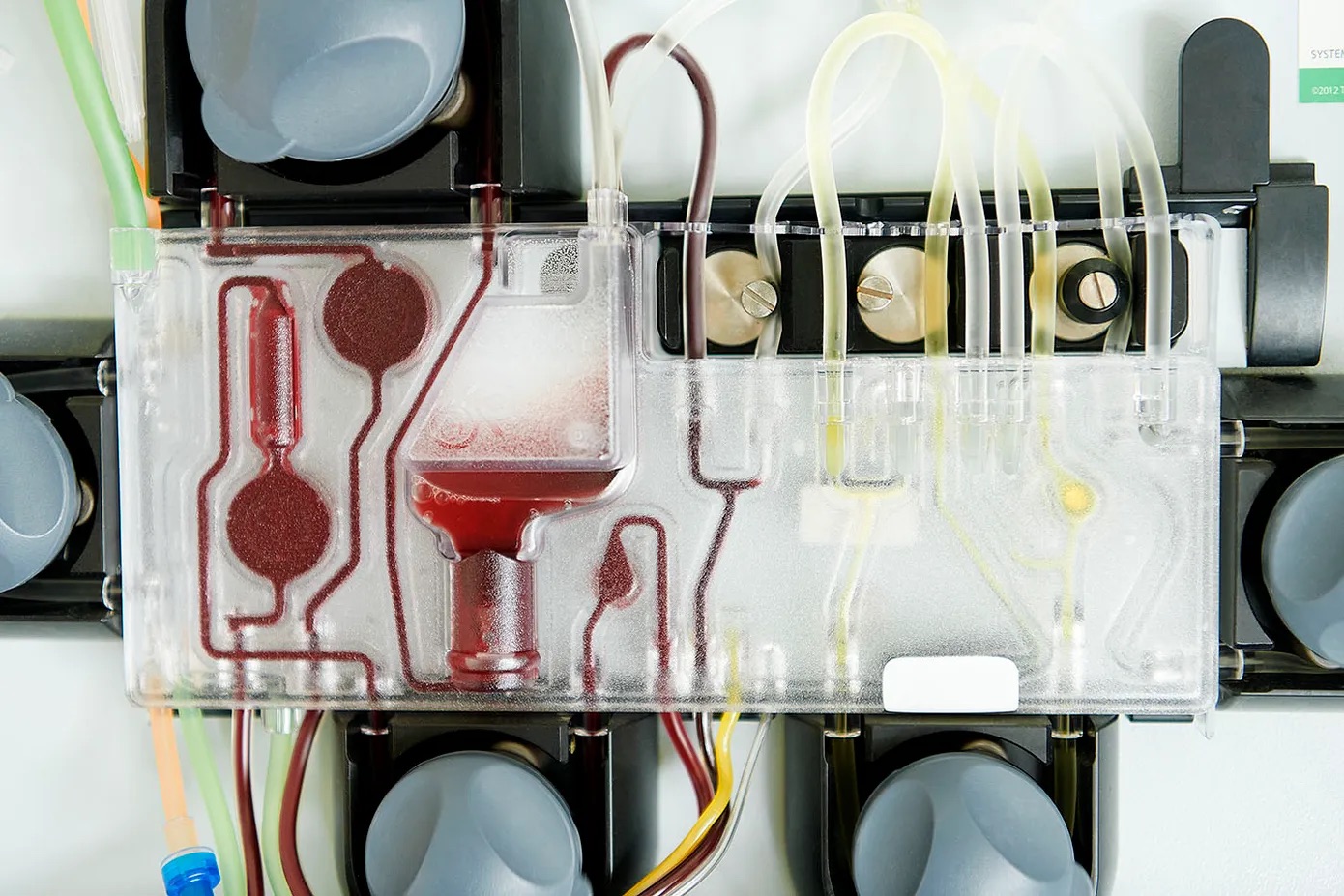
2. Therapeutic Plasma Exchange (TPE): Cleaning the System
While antibody drugs add something to the body to attack amyloid, Therapeutic Plasma Exchange (TPE) takes a different approach: removing the bad stuff directly.
The AMBAR Trial (Alzheimer’s Management By Albumin Replacement): This major international study tested TPE on patients with mild-to-moderate Alzheimer's. The theory is simple: 90% of amyloid in the blood is bound to a protein called albumin. By removing old plasma (and the albumin-bound amyloid) and replacing it with fresh albumin, you create a "sink effect." The brain, sensing low amyloid in the blood, dumps more of its toxic load into the bloodstream to equilibrate, where it is then washed away in the next session.
- Results: The trial showed a 61% reduction in disease progression in moderate patients—a result that stunned the research community. In the mild group, cognitive decline was nearly halted.
- Advantages: TPE avoids the brain swelling risks of antibody drugs because it works in the periphery (blood), not inside the brain. It also replaces oxidized, inflammatory albumin with fresh, functional albumin, offering systemic anti-aging benefits.
3. The Metabolic Approach: "Type 3 Diabetes"
Growing evidence suggests Alzheimer's is partly a metabolic disorder—insulin resistance in the brain. When brain cells can't use glucose for fuel, they starve and die.
Ketogenic Interventions:
- MCT Oils & Ketones: Since the brain can't use sugar well, providing an alternative fuel source—ketones—can bypass the defect. Studies show that patients on ketogenic diets or taking ketone esters demonstrate improved energy and cognitive scores.
- GLP-1 Agonists (Ozempic/Wegovy): Originally for diabetes, these drugs reduce inflammation and improve insulin sensitivity. Major trials are currently underway to see if they can protect neurons from degeneration.
4. Lifestyle as Medicine: The FINGER Study
The FINGER study was a landmark trial proving that lifestyle changes aren't just "good advice"—they are powerful medicine. It showed that a multi-domain intervention could prevent cognitive decline in at-risk elderly people.
The Protocol:
- Diet: Anti-inflammatory, Mediterranean-style.
- Exercise: Rigorous aerobic and strength training to boost BDNF (Brain-Derived Neurotrophic Factor).
- Cognitive Training: Active learning, not just passive TV watching.
- Vascular Management: Aggressively treating blood pressure and cholesterol.
5. Emerging Frontiers: Inflammation and the Gut
Research is now looking beyond amyloid to neuroinflammation (brain fire) and the gut-brain axis.
- Microglia: These are the brain's immune cells. In Alzheimer's, they go rogue and attack healthy neurons. New drugs are being developed to "calm" these cells.
- Gut Microbiome: The bacteria in our gut produce neurotransmitters. Dysbiosis (bad gut bacteria) is linked to brain inflammation. Probiotics and fecal transplants are being investigated as potential therapies.
The Bottom Line
Can Alzheimer's be slowed down? Yes.
The era of "diagnose and adios" is over. Today, a patient diagnosed with early Alzheimer's has a menu of options:
- Anti-Amyloid Drugs to clear plaques.
- Therapeutic Plasma Exchange to systemically detoxify the blood and brain.
- Metabolic Therapies to refuel starving neurons.
- Lifestyle Protocols to build resilience.
The key is early intervention. These therapies work best when the brain still has healthy tissue to save. If you or a loved one are noticing early signs, don't wait. The tools to fight back are finally here.