The Hidden Cost of Caregiving: Preventing Burnout When Caring for Alzheimer's Patients
The Hidden Cost of Caregiving: Preventing Burnout When Caring for Alzheimer's Patients
Alzheimer's disease claims more than one victim. There is the patient, who slowly loses their memories and self. And then there is the caregiver—the spouse, the child, the sibling—who slowly loses their health, their sleep, and their peace of mind.
There are over 11 million unpaid Alzheimer's caregivers in the United States. Studies show that these caregivers have a 63% higher mortality rate than non-caregivers of the same age. They are at massive risk for depression, heart disease, and—ironically—developing dementia themselves.
This is the hidden cost of the disease.
At VIP TPE, we often treat families, not just individuals. We see the toll caregiving takes. This article is for the caregivers. It is a guide to recognizing burnout, protecting your own biology from the ravages of chronic stress, and understanding how therapies like Therapeutic Plasma Exchange (TPE) can help you stay strong enough to care for the one you love.
The Physiology of Chronic Stress
Caregiving is a 24/7 job with no holidays. It involves emotional grief, physical exhaustion, and financial worry. This creates a state of Chronic Stress Response.
Your body is constantly flooded with Cortisol (the stress hormone).
- Short term: Cortisol helps you focus.
- Long term: Cortisol is toxic. It kills brain cells (specifically in the hippocampus, the memory center). It suppresses the immune system. It increases blood pressure and blood sugar.
Caregivers are literally "stewing" in stress hormones. This leads to Systemic Inflammation. Your body thinks it is under attack, so it stays inflamed. This inflammation accelerates aging and increases the risk of every major disease.
Signs of Caregiver Burnout
Burnout is not just "being tired." It is a state of physical, emotional, and mental collapse.
- Withdrawal: You stop seeing friends or doing things you love.
- Irritability: You snap at the patient or other family members.
- Sleep Issues: You can't sleep even when you have the chance.
- Sickness: You catch every cold or flu because your immune system is shot.
- Apathy: You feel numb or detached from life.
The Oxygen Mask Rule
You know the airline safety rule: "Put on your own oxygen mask before assisting others." You cannot pour from an empty cup. If you collapse, who will care for your loved one?
Self-care is not selfish; it is strategic.
1. Respite Care is Non-Negotiable
You need breaks. Real breaks. Utilize adult day care centers, professional home aides, or ask family members to take shifts. You need time where your brain is "off duty."
2. Prioritize Your Sleep
Sleep deprivation is a torture tactic. If your loved one wanders at night, you must secure the home or hire night help. You cannot survive without sleep.
3. Build a Support Team
Join a support group. Talking to people who "get it" reduces isolation.
How TPE Supports the Caregiver
We often discuss TPE for the Alzheimer's patient, but what about the caregiver?
High-stress caregiving accelerates biological aging. It increases inflammatory cytokines and oxidative stress markers in the blood. Caregivers are aging faster than their peers.
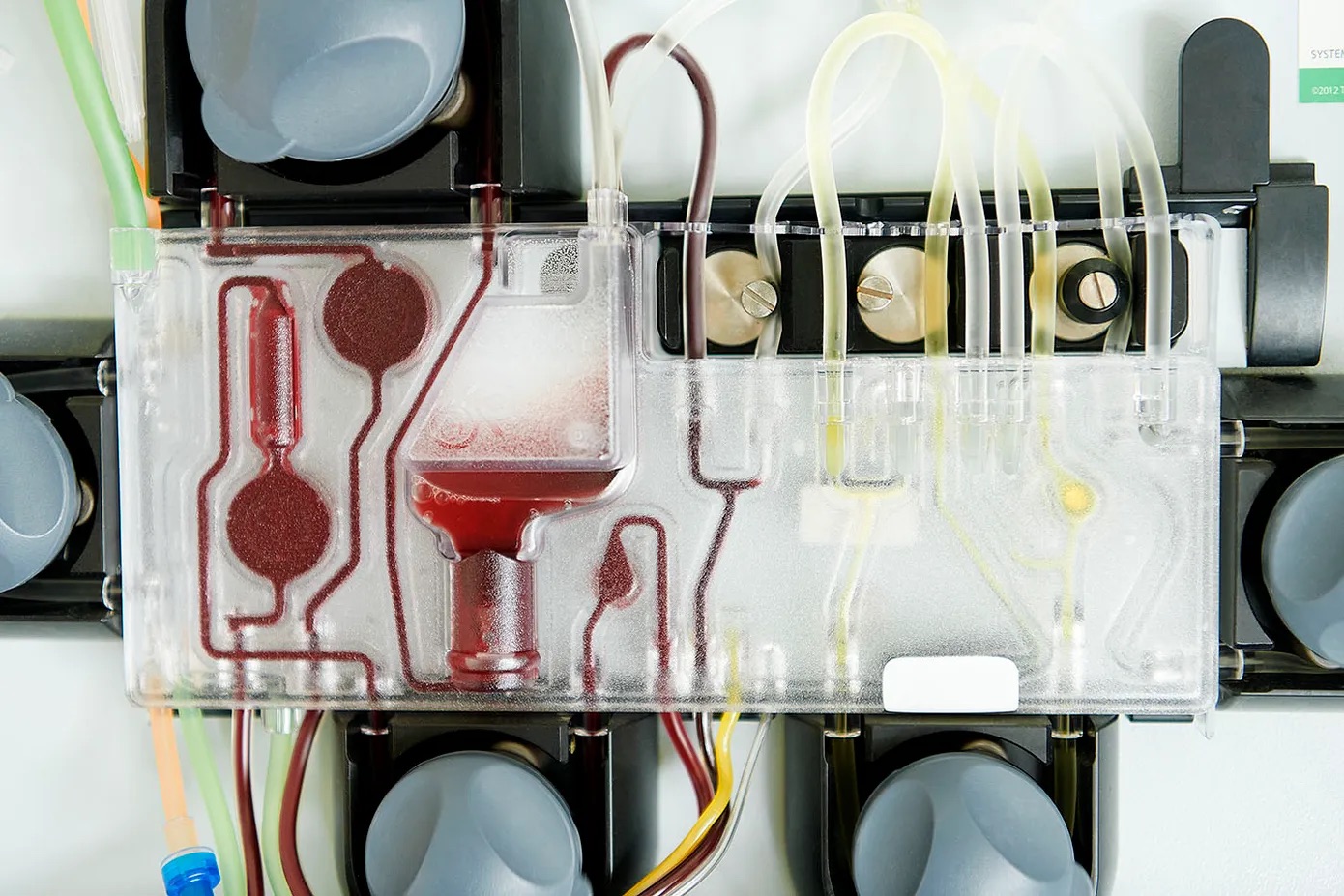
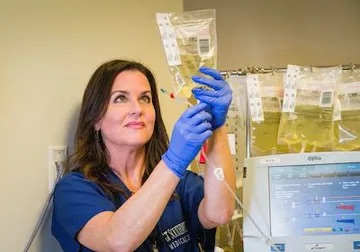
Therapeutic Plasma Exchange (TPE) can be a powerful intervention for the caregiver's health preservation.
1. Reducing the Inflammatory Load
Chronic stress fills your blood with inflammatory proteins (IL-6, CRP). These proteins make you feel tired, achy, and "foggy." TPE washes these out.
- Result: Many patients report a surge in energy and clarity after treatment. It physically lifts the burden of inflammation.
2. Boosting Immunity
Caregivers often have weak immune systems. TPE resets the immune environment, removing suppressive factors and replacing them with fresh Albumin (the body's main antioxidant). This helps build resilience against illness.
3. Protecting Your Own Brain
Caregivers are at higher risk for dementia due to stress and shared lifestyle factors. TPE is a preventive measure. It keeps your vascular system clean and your brain perfused, countering the damaging effects of high cortisol.
A Message to Caregivers
You are doing heroic work. But heroes need armor.
Don't let Alzheimer's take two lives. You must fight for your own health with the same ferocity that you fight for your loved one's dignity.
Whether it is through counseling, nutrition, respite care, or advanced therapies like TPE, investing in yourself is the only way to sustain the marathon of caregiving.
At VIP TPE, we offer "Caregiver & Patient" consultations. We can discuss how to optimize the health of the entire family unit, ensuring that you have the strength, vitality, and resilience to keep going.
You matter. Your health matters.
Contact us for family health support. Learn about Stress and Inflammation. Read our Caregiver FAQ.