Prevention is Cheaper than Cure: The Economics of Proactive Plasma Exchange
Prevention is Cheaper than Cure: The Economics of Proactive Plasma Exchange
There is an old saying: "An ounce of prevention is worth a pound of cure."
In healthcare, this is literally true. The cost of preventing a disease is a fraction of the cost of treating it once it has taken hold.
Yet, most people wait until they are sick to spend money on their health. They ignore high cholesterol until they have a heart attack. They ignore brain fog until they are diagnosed with Alzheimer's.
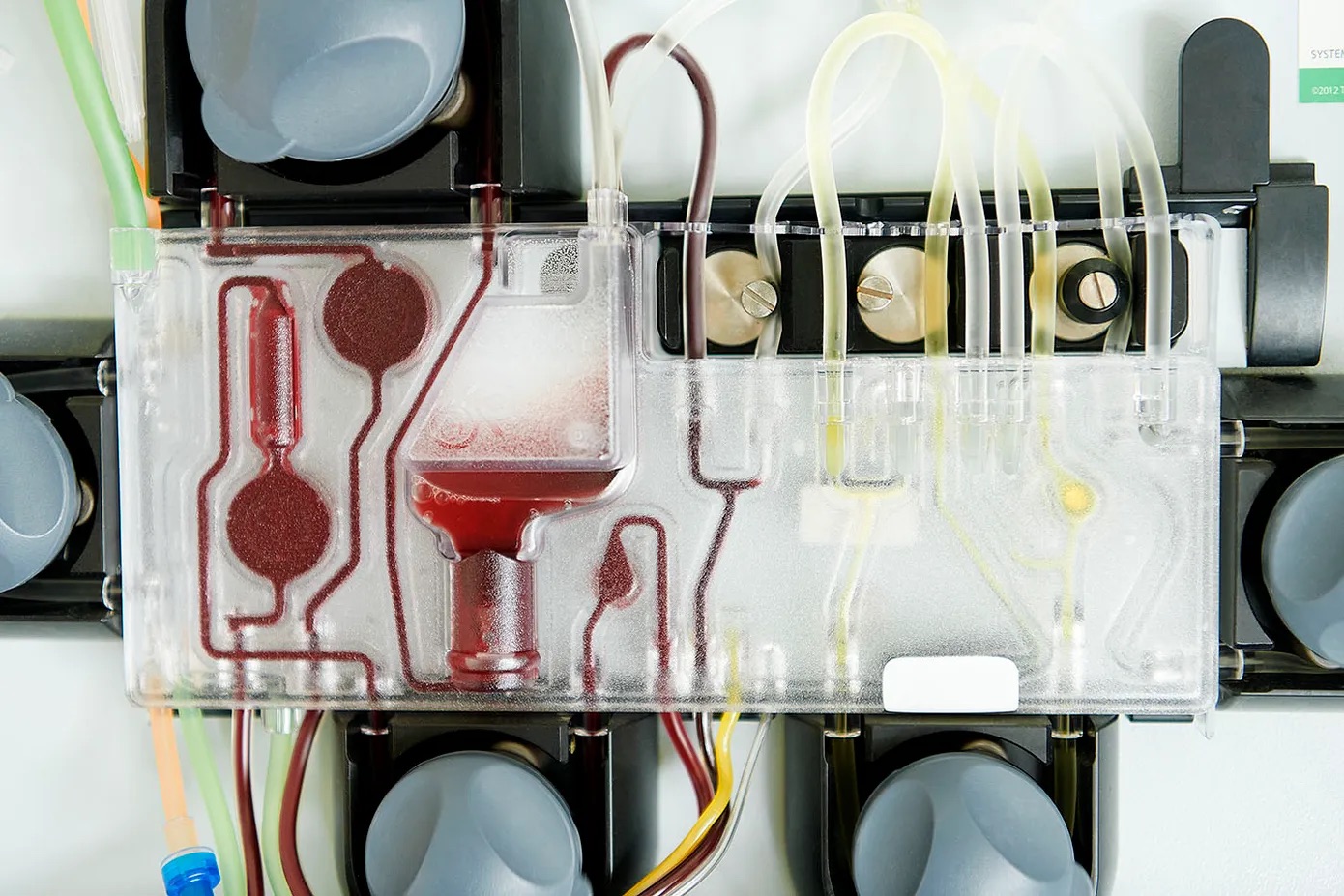
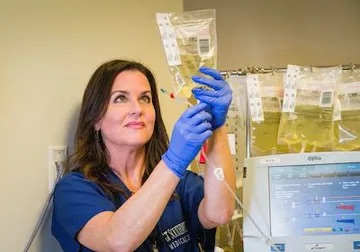
Therapeutic Plasma Exchange (TPE) offers a powerful tool for proactive health maintenance. By periodically clearing the blood of inflammatory markers, oxidized lipids, and environmental toxins, TPE prevents the accumulation of damage that leads to chronic disease.
In this article, we will explore the economics of prevention and why investing in TPE now can save you a fortune later.
The Cost of "Reactive" Medicine
Treating established disease is incredibly expensive.
1. Cardiovascular Disease
Heart disease is the #1 killer.
- Bypass Surgery: $100,000 - $200,000.
- Stent Placement: $30,000 - $50,000.
- Medications: Lifetime of statins, blood thinners.
- Rehab: Months of lost work.
2. Alzheimer's & Dementia
The most feared disease of aging.
- Memory Care Facility: $8,000 - $12,000 per month ($100k+ per year).
- Caregiver Burden: Priceless emotional cost.
- New Drugs: $26,000/year (often with minimal benefit).
3. Autoimmune Disease
Once triggered, it's a lifelong expense.
- Biologics: $50,000/year.
- Disability: Lost career earnings.
TPE: The "Maintenance" Model
TPE acts as a systemic "oil change." By removing the sludge (oxidized LDL, fibrinogen, amyloid) before it causes permanent damage, TPE keeps the biological engine running smoothly.
1. Cardiovascular Protection
TPE rapidly lowers:
- Lipoprotein(a): A genetic risk factor for heart attacks that diet/exercise can't fix.
- Fibrinogen: A clotting factor that increases stroke risk.
- Oxidized LDL: The "bad" cholesterol that clogs arteries.
- ROI: Avoiding a heart attack or stroke saves you $100,000+ and preserves your quality of life.
2. Neuroprotection
TPE clears amyloid beta and tau proteins from the blood (peripheral sink hypothesis), potentially preventing them from accumulating in the brain.
- ROI: Delaying the onset of dementia by 5 years saves $500,000 in nursing home costs.
3. Immune System Reset
By removing circulating immune complexes and inflammatory cytokines, TPE prevents the "tipping point" into full-blown autoimmunity.
- ROI: Avoiding a lifetime of autoimmune drugs saves $1 million+.
The Investment Strategy
How does proactive TPE compare to other investments?
Scenario: The Executive
- Age: 50.
- Goal: Work until 70, travel until 90.
- Risk Factors: High stress, family history of heart disease.
Option A: Do Nothing (Wait for Disease)
- Likely Outcome: Heart attack at 62. Forced retirement. Bypass surgery ($150k). Ongoing meds.
- Total Cost: $500,000+ (medical + lost income).
Option B: Proactive TPE
- Protocol: Quarterly TPE sessions ($20k/year).
- Cost over 20 years: $400,000.
- Outcome: No heart attack. Vitality until 90. Continued earning power ($2M+ income).
- ROI: Massive. The $400k investment preserved $2M in income and avoided $500k in "sick care" costs.
Why Don't Insurance Companies Pay for This?
Because the average person changes insurance plans every 3 years. Why would Blue Cross pay for your prevention today if United Healthcare will reap the benefits 20 years from now?
The only person with a vested interest in your long-term health is YOU.
Conclusion
You insure your house against fire. You insure your car against accidents. Why don't you insure your body against disease?
Proactive TPE is the ultimate biological insurance policy. It removes the kindling (inflammation/toxins) before the fire starts.
At VIP TPE, we work with clients who understand the value of prevention. We help you quantify your risk and design a maintenance schedule that keeps you out of the hospital and in the game.
Frequently Asked Questions (FAQ)
Q: Can I do TPE if I'm healthy? A: Yes. It is called "Wellness Apheresis." It is popular among biohackers and executives for optimization.
Q: How often should I do it for prevention? A: Typically 2-4 times a year is sufficient for maintenance. If you have high risk factors (like Lp(a)), maybe more often.
Q: Will it lower my cholesterol? A: Drastically. A single session can drop LDL by 60-70%.
Q: Is it safe for healthy people? A: Yes. The risks are minimal (bruising, fatigue). The benefits of removing toxins are significant.
Q: Can I use TPE to detox from environmental toxins? A: Yes. It removes heavy metals, mold toxins, and microplastics from the blood.