Early Signs of Alzheimer's in Your 30s and 40s: What to Watch For

Early Signs of Alzheimer's in Your 30s and 40s: What to Watch For
The stereotype of Alzheimer's disease is an elderly person forgetting names or getting lost in their own neighborhood. While age remains the biggest risk factor, a quiet and alarming trend is emerging: the rise of early-onset Alzheimer's and the recognition that the disease process begins decades before the first severe symptom appears.
For many high-performing individuals in their 30s and 40s, the fear isn't just about getting old; it's about losing their edge. You might find yourself struggling to find the right word in a meeting, forgetting why you walked into a room, or feeling a persistent "brain fog" that caffeine can't clear.
Is it just stress? Is it burnout? Or is it the early warning rumble of neurodegeneration?
In this comprehensive guide, we will explore the subtle, early signs of Alzheimer's that can appear in mid-life, differentiate them from normal aging or stress, and discuss how Therapeutic Plasma Exchange (TPE) is emerging as a powerful tool for early intervention and prevention.
The "Silent Phase": What Happens Before the Diagnosis
Alzheimer's disease doesn't start the day you forget a family member's name. It starts 20 to 30 years earlier. This period is known as the preclinical or silent phase.
During this time, two toxic proteins—beta-amyloid and tau—begin to accumulate in the brain.
- Amyloid Plaques: Sticky clumps of protein accumulate between nerve cells, disrupting communication.
- Tau Tangles: Twisted fibers of protein build up inside cells, blocking the transport of nutrients.
By the time clinical symptoms like memory loss are obvious, significant brain damage has already occurred. This is why waiting for a diagnosis is often waiting too long. The key to effective longevity and brain health is early detection and aggressive prevention.
5 Early Warning Signs in Your 30s and 40s
While occasional forgetfulness is normal, certain patterns warrant closer attention.
1. The "Tip-of-the-Tongue" Phenomenon (Anomic Aphasia)
Everyone forgets a word now and then. But if you frequently find yourself unable to retrieve common words, substituting them with generic terms like "that thing" or "the guy," it could be a sign of anomic aphasia. In early Alzheimer's, the brain's language centers struggle to access vocabulary efficiently.
- Normal: Forgetting the name of a movie you saw 10 years ago.
- Concern: Forgetting the word for "stapler" or "keys" multiple times a week.
2. Difficulty with Complex Tasks (Executive Dysfunction)
Alzheimer's affects executive function—the ability to plan, organize, and multi-task—often before it hits memory. You might notice:
- Trouble following a familiar recipe.
- Difficulty managing a budget or balancing a checkbook.
- Struggling to plan a project at work that used to be second nature.
3. Spatial and Visual Issues
Changes in vision aren't always about the eyes; they can be about how the brain processes visual information.
- Trouble judging distances while driving.
- Difficulty reading specific fonts or colors.
- Clumsiness or bumping into things (proprioception issues).
4. Mood and Personality Shifts
Depression, anxiety, and apathy can be early markers of neuroinflammation. If a usually gregarious person becomes withdrawn, or a calm person becomes irritable and suspicious, it may be a neurological sign rather than a psychological one.
- Apathy: Losing interest in hobbies or social activities you used to love.
- Anxiety: Feeling overwhelmed by choices or environments that never bothered you before.
5. Persistent "Brain Fog"
"Brain fog" is a non-clinical term, but it describes a very real symptom: a lack of mental clarity, focus, and sharpness. While often caused by diet, sleep, or stress, chronic brain fog that doesn't resolve with lifestyle changes can indicate underlying inflammation or vascular issues in the brain—both precursors to Alzheimer's.
The Role of Inflammation and Vascular Health
Why do these symptoms appear so early? Often, the culprit is systemic inflammation and poor vascular health.
Your brain is a voracious consumer of energy. It requires a constant, smooth flow of oxygen-rich blood.
- High Viscosity: If your blood is thick with lipids, fibrinogen, and inflammatory cytokines, it can't navigate the tiny capillaries of the brain efficiently.
- The Barrier: Chronic inflammation weakens the Blood-Brain Barrier (BBB), allowing toxins to leak into the brain and trigger immune responses that damage neurons.
This is where the "Silent Phase" becomes a "Treatable Phase."
Therapeutic Plasma Exchange: A Proactive Intervention
If you are noticing these early signs, or if you have a family history of Alzheimer's, "wait and see" is not a strategy. Therapeutic Plasma Exchange (TPE) offers a way to intervene at the biological level.
How TPE Works for Brain Health
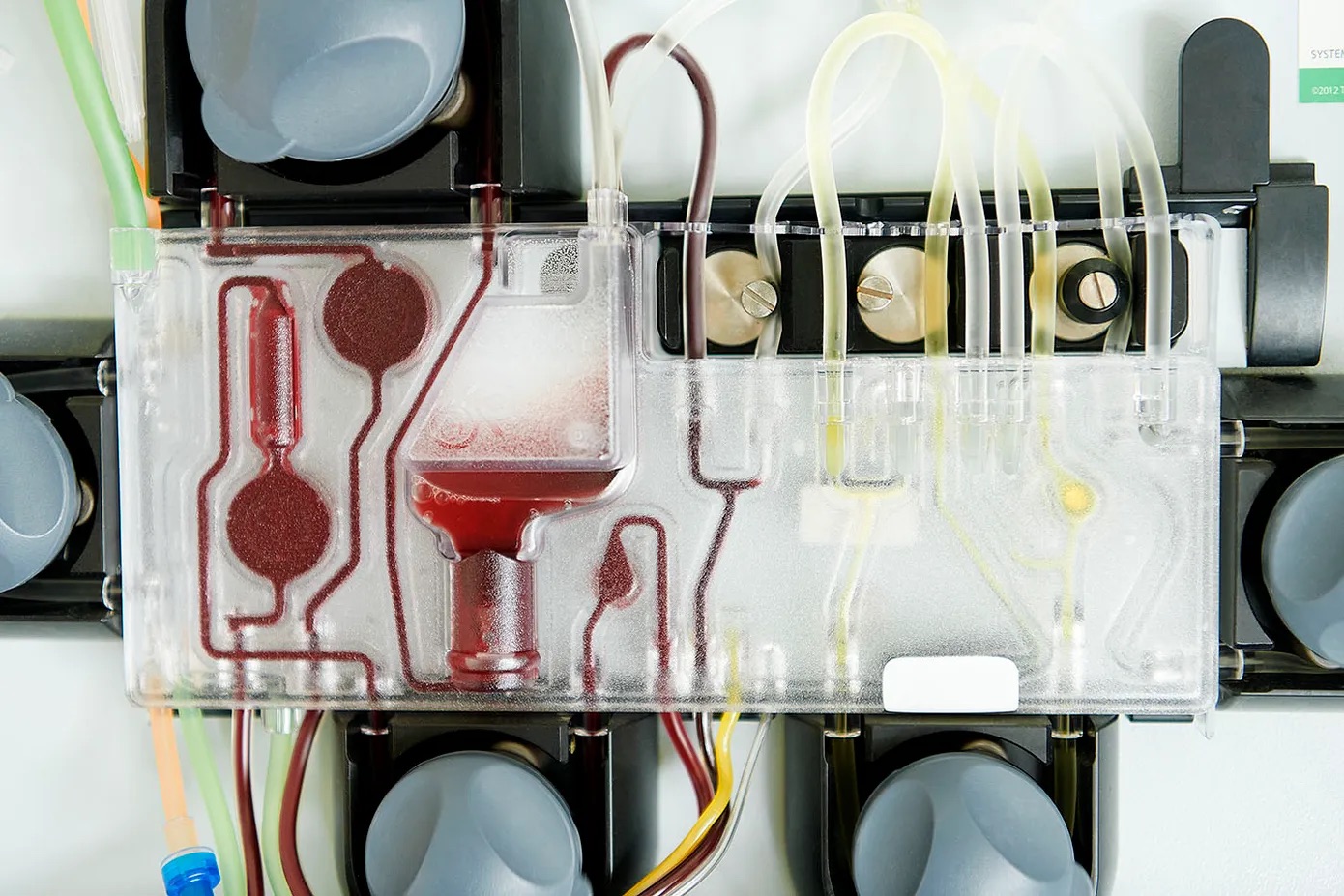
TPE is a medical procedure that separates your plasma (the liquid part of your blood) from your red and white blood cells. The plasma—which carries the inflammatory proteins, autoantibodies, and excess lipids—is removed and replaced with fresh, medical-grade Albumin.
1. Clearing the "Sludge"
TPE physically removes the factors that make blood viscous (thick). By removing fibrinogen and triglycerides, TPE improves cerebral perfusion (blood flow to the brain). Better blood flow means more oxygen and nutrients for your neurons, often resulting in an immediate lifting of "brain fog."
2. The "Sink Effect" for Amyloid
One of the most exciting theories in Alzheimer's research is the Peripheral Sink Hypothesis.
- Amyloid exists in equilibrium between the brain and the blood.
- By removing amyloid from the blood via TPE, we create a concentration gradient.
- This pulls amyloid out of the brain and into the blood to be cleared, effectively reducing the plaque burden on the brain.
3. Reducing Neuroinflammation
Systemic inflammation drives neuroinflammation. TPE removes circulating cytokines (like IL-6 and TNF-alpha) that trigger inflammation. By resetting the immune environment, TPE can calm the overactive microglia in the brain, protecting neurons from "friendly fire."
4. Replacing "Old" with "New"
As we age, our plasma accumulates pro-aging factors. TPE removes these and replaces them with fresh Albumin, which is a potent antioxidant. This "oil change" for your blood rejuvenates the systemic environment, supporting neurogenesis (the growth of new neurons).
Taking Action: Your Brain Health Roadmap
If you are in your 30s, 40s, or 50s and concerned about your cognitive future, here is your action plan:
- Get Tested: Don't guess. Get a comprehensive cognitive assessment and blood panel. Look at markers like ApoE4 status, homocysteine, CRP (inflammation), and HbA1c (metabolic health).
- Prioritize Sleep: The brain cleans itself at night via the glymphatic system. Prioritize 7-8 hours of quality sleep.
- Optimize Diet: Reduce sugar and processed foods to lower insulin resistance (often called "Type 3 Diabetes").
- Consider TPE: For those looking for the gold standard in preventative maintenance, TPE offers a way to deeply detoxify the system and optimize the blood environment for brain health.
Why Choose VIP TPE?
At VIP TPE, we specialize in elective Therapeutic Plasma Exchange for longevity and cognitive optimization. We understand that you aren't just treating a disease; you are protecting your greatest asset—your mind.
- Expert Care: Our medical team is experienced in apheresis protocols specifically designed for cognitive health and prevention.
- Comfort & Privacy: Our state-of-the-art facility offers a private, luxury environment where you can relax during your treatment.
- Comprehensive Approach: We don't just perform the procedure; we work with you to understand your specific goals, whether it's reversing early brain fog or long-term Alzheimer's prevention.
Don't let "brain fog" become your future. Take control of your cognitive health today.
Contact VIP TPE to schedule your consultation. Explore our Cognitive Health Protocols. Read our FAQ on TPE and Brain Health.