The Glymphatic System: How Poor Sleep Accelerates Alzheimer's (And How to Fix It)
The Glymphatic System: How Poor Sleep Accelerates Alzheimer's (And How to Fix It)
"I'll sleep when I'm dead."
For decades, this was the mantra of high achievers. Sleep was seen as a waste of time, a biological inconvenience. But in 2012, a discovery by neuroscientist Maiken Nedergaard changed everything. She discovered the Glymphatic System—a hidden plumbing system in the brain that only turns on when you sleep.
Its job? To wash away the metabolic waste produced by your neurons during the day. And the primary waste product it removes? Beta-amyloid—the protein that causes Alzheimer's disease.
This means that sleep isn't just rest; it is neuroprotection. If you aren't sleeping, you aren't cleaning. And if you don't clean, the trash piles up.
In this article, we explore the mechanics of the Glymphatic System, why modern life is breaking it, and how Therapeutic Plasma Exchange (TPE) can serve as a critical backup system when your natural cleaning cycle fails.
How the Night Shift Works
During the day, your brain cells are tightly packed, firing electrical signals to help you think, work, and move.
But when you enter deep, slow-wave sleep, something magical happens:
- The Shrink: Your brain cells literally shrink by up to 60%.
- The Flush: This creates space between the cells. Cerebrospinal fluid (CSF) rushes in, mixing with interstitial fluid.
- The Drain: This fluid washes through the brain tissue, picking up toxic proteins like amyloid and tau, and flushes them out into the lymphatic vessels of the neck, eventually dumping them into the bloodstream for the liver and kidneys to handle.
It is a literal brainwash. But it only happens efficiently during deep sleep.
The Sleep-Alzheimer's Vicious Cycle
Here is the danger:
- Poor Sleep Leads to Plaques: If you are chronically sleep-deprived (getting less than 7 hours, or poor quality sleep), your Glymphatic System cannot finish the job. Residual amyloid remains in the brain. Over years, this residue clumps into plaques.
- Plaques Disrupt Sleep: The regions of the brain that regulate sleep are often the first to be damaged by Alzheimer's pathology. So, as plaques build up, they destroy your ability to sleep deeply.
It is a feedback loop. Poor sleep causes Alzheimer's, and early Alzheimer's causes poor sleep. This accelerates the disease progression rapidly.
Why Modern Life Destroys the Glymphatic System
It's not just insomnia. Several factors impair this cleaning process:
- Aging: As we age, the "pumping" mechanism of the Glymphatic System weakens. Older vessels are stiffer and pulsate less effectively.
- Alcohol: While it helps you fall asleep, alcohol destroys quality sleep and suppresses the Glymphatic function.
- Sedentary Lifestyle: The system relies partly on arterial pulsation. Weak cardiovascular health means a weak brain flush.
TPE: The Manual Override
So, what happens if your Glymphatic System is compromised? What if you have had years of bad sleep, or you are aging and your natural flush is weak?
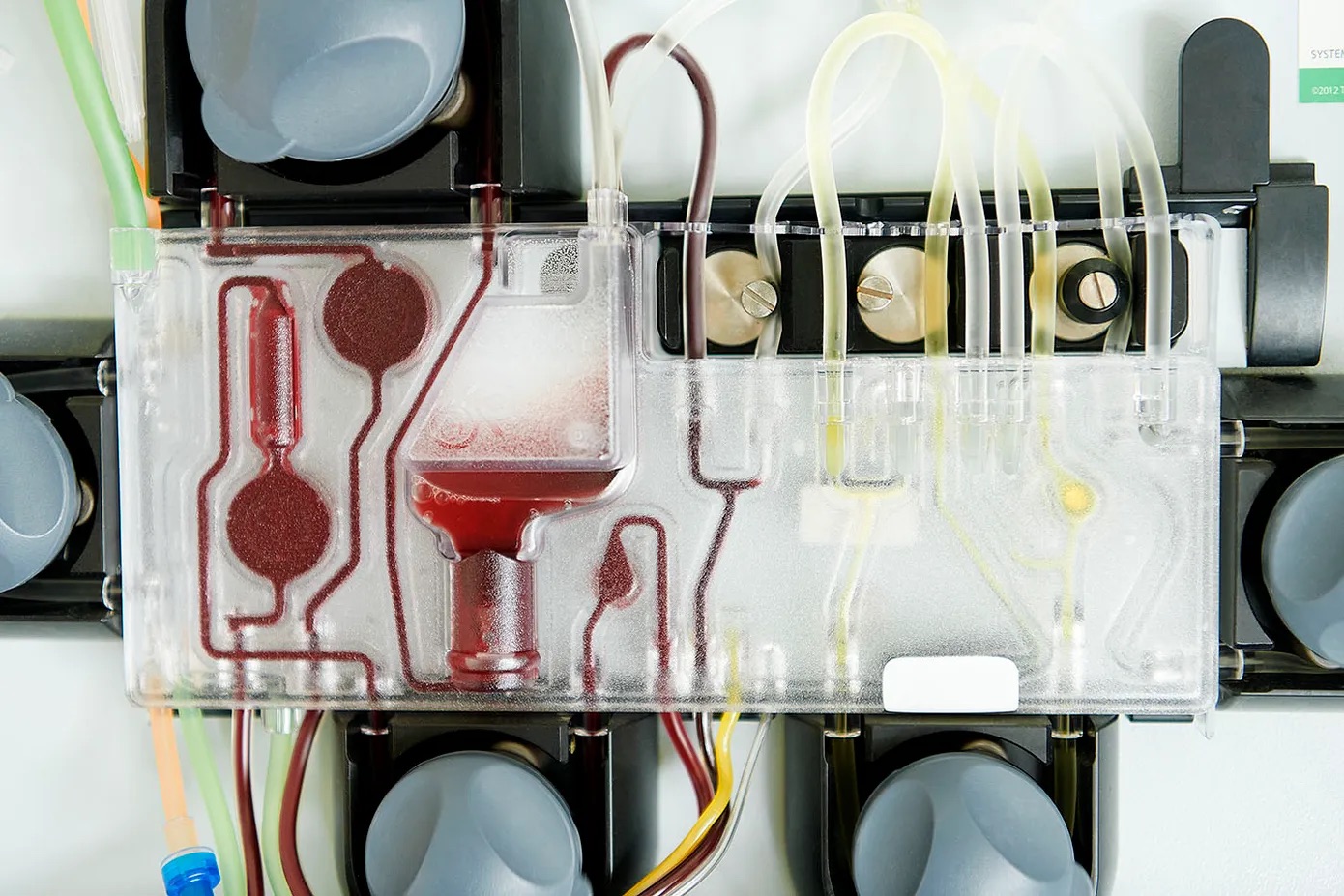
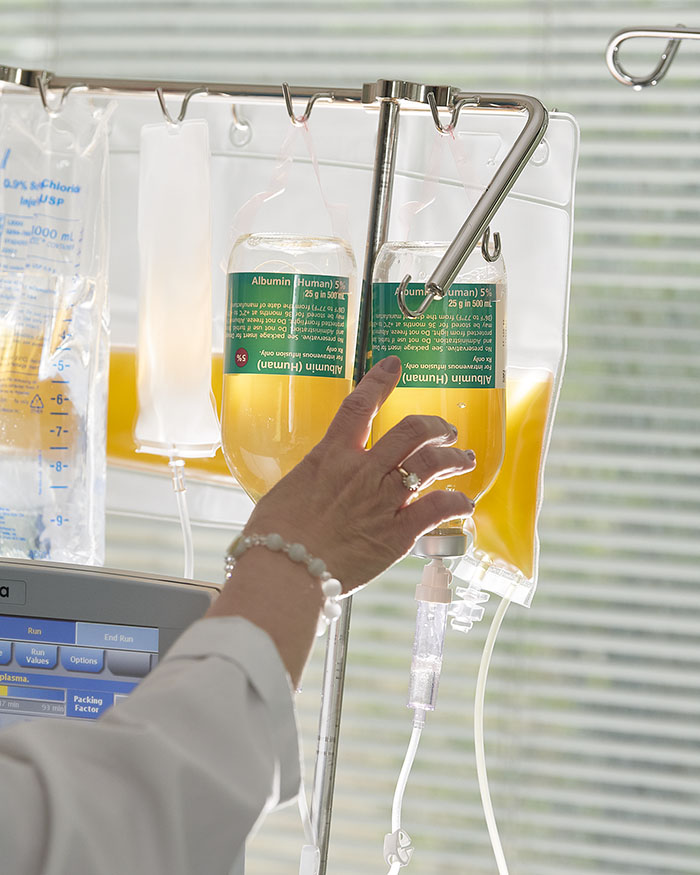
This is where Therapeutic Plasma Exchange (TPE) comes in. Think of TPE as a manual override or an "external Glymphatic System."
1. The Sink Effect (Again)
The Glymphatic System dumps waste into the blood. If the blood is already saturated with toxins, the gradient is weak.
- TPE cleans the blood thoroughly.
- This creates a massive "suction" effect.
- Even if your Glymphatic pump is weak, the clean plasma in your blood vessels pulls toxins out of the brain fluid more efficiently. It assists the natural process.
2. Improving Perfusion
The Glymphatic flush depends on the pulsation of arteries in the brain.
- TPE lowers blood viscosity (thickness).
- Thinner blood moves with more dynamic energy.
- This restores the strong arterial pulses needed to drive the CSF fluid through the brain tissue. It effectively "unclogs the pipes."
3. Reducing Systemic Inflammation
Inflammation shuts down the Glymphatic System. By clearing inflammatory cytokines from the blood, TPE re-enables the brain's natural ability to clean itself.
How to optimize Your Brain Cleaning
To prevent Alzheimer's, you need a strategy that combines natural optimization with medical intervention.
The "Clean Brain" Protocol:
- Prioritize Deep Sleep: Consistency is key. Dark room, cool temperature, no screens.
- Sleep on Your Side: Research suggests the Glymphatic System works best in the lateral (side) position, likely an evolutionary adaptation.
- Hydrate: The system runs on fluid. Dehydration gums up the works.
- Consider TPE: Especially if you have a history of sleep disorders (apnea, insomnia) or shift work. TPE can help clear the backlog of toxins that your body missed.
Conclusion
Sleep is the pillar of health we ignore at our peril. But for those who have already accumulated debt—decades of short nights and stress—there is hope.
You cannot go back in time and sleep more. But you can use advanced therapies like TPE to help clear the accumulated damage.
At VIP TPE, we help patients reset their biological environment. By keeping your plasma clean, we help ensure that every hour of sleep you get is maximally effective at protecting your brain.
Wake up to the importance of brain detox.
Contact VIP TPE to learn more. Our Services: Cognitive Preservation. FAQ: How TPE supports brain health.