Heavy Metal Detox: TPE vs. Chelation Therapy
The Heavy Metal Problem
Lead, mercury, arsenic, and cadmium are everywhere—in our soil, water, and even food. Once inside, they bind to our tissues and wreak havoc on our nervous system and mitochondria.
Two primary methods exist to remove them: Chelation Therapy and Therapeutic Plasma Exchange (TPE).
Chelation Therapy: The Chemical Magnet
How it works: You take a medication (IV or oral) like EDTA or DMSA. These molecules act like magnets, binding to heavy metals in your blood so you can pee them out.
Pros:
- Well-established for acute poisoning.
- Can mobilize metals stored deep in tissues.
Cons:
- Redistribution: Can sometimes pull metals from one tissue and deposit them in another (like the brain) if not done carefully.
- Kidney Stress: The kidneys have to filter all the bound metals.
- Mineral Depletion: Chelators also grab "good" minerals like calcium and magnesium.
TPE: The Physical Removal
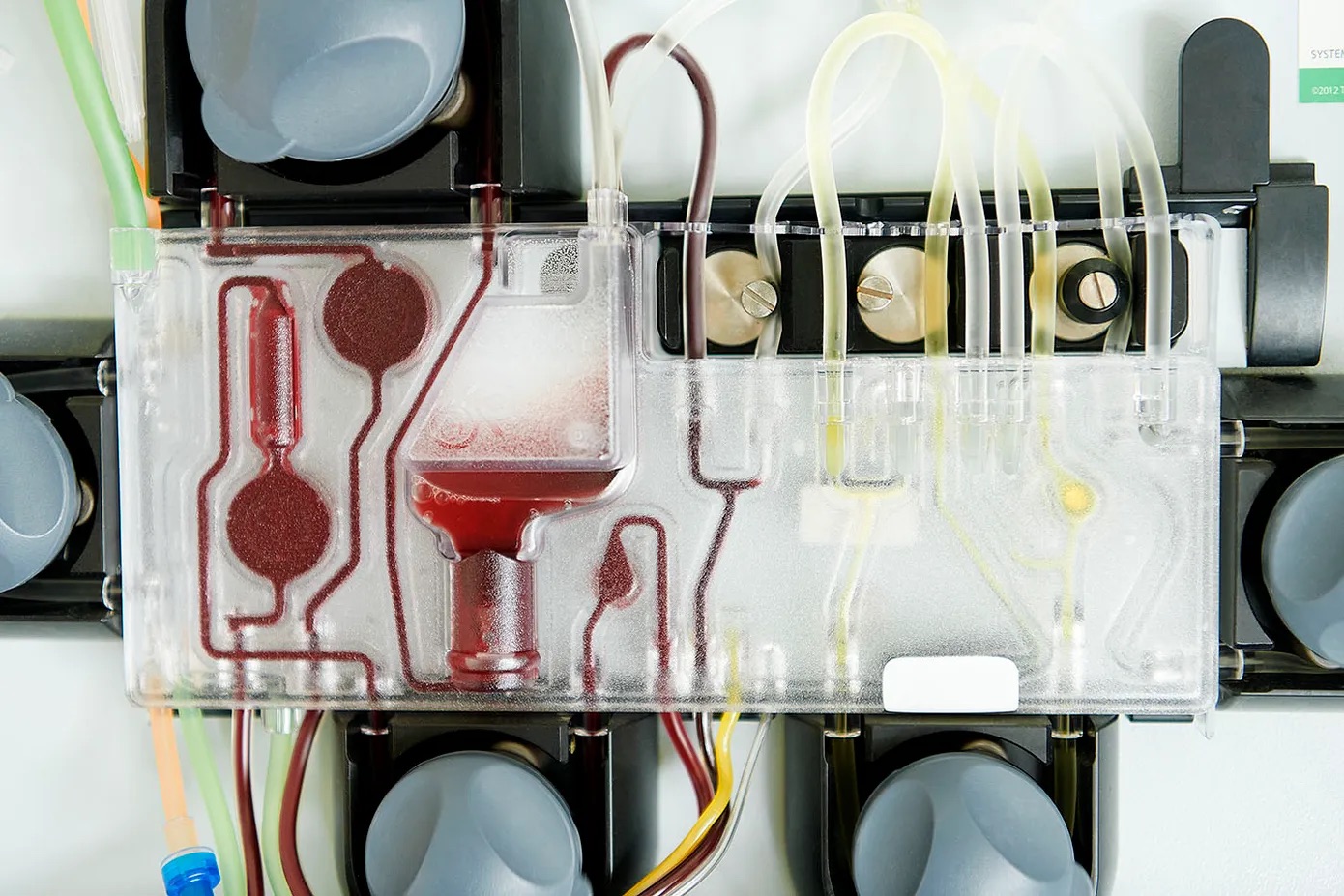
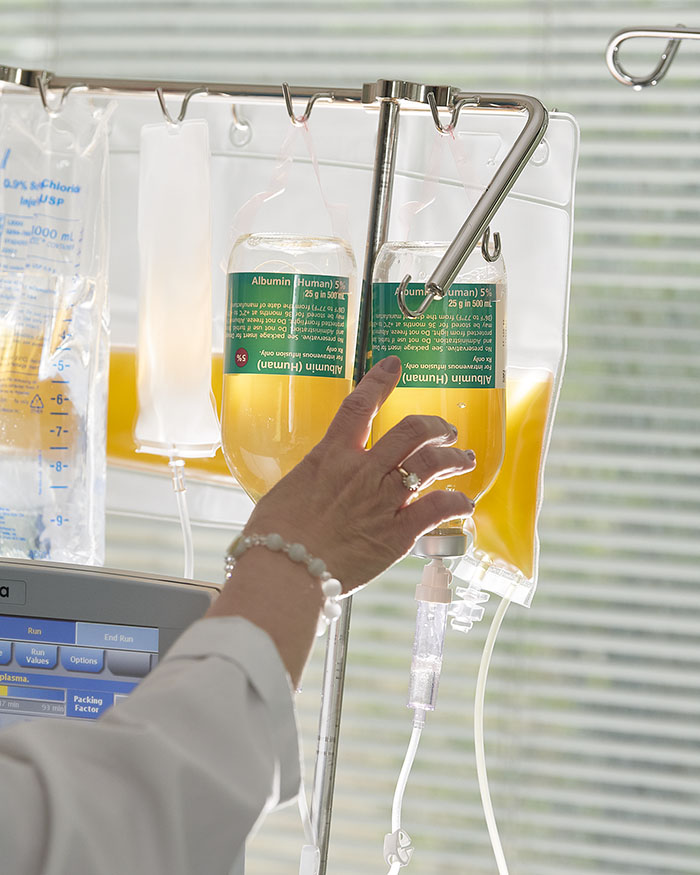
How it works: TPE physically removes the plasma where many heavy metals circulate (often bound to albumin).
Pros:
- No Kidney Stress: The machine does the filtering, not your kidneys.
- Rapid Clearance: Removes a large volume of circulating toxins immediately.
- Safety: No risk of redistributing metals to the brain during the procedure.
Which is Better?
For acute, life-threatening poisoning, Chelation is often the standard of care.
However, for chronic, low-level toxicity or for patients with compromised kidney function, TPE offers a safer, more robust alternative that detoxifies without straining the body's elimination organs.
Ready to Learn More?
If you're interested in how Therapeutic Plasma Exchange can be part of your health strategy, we are here to help.