How Safe Is Therapeutic Plasma Exchange? Side Effects & Risks You Should Know
How Safe Is Therapeutic Plasma Exchange? Side Effects & Risks You Should Know
Therapeutic Plasma Exchange (TPE), often referred to as plasmapheresis, is a well-established medical procedure that has been used for decades to treat a variety of autoimmune and neurological conditions. As interest in TPE grows—not only for treating disease but also for its potential in longevity and anti-aging medicine—patients are increasingly asking: Is it safe?
The short answer is yes, TPE is generally considered a safe procedure when performed by experienced medical professionals in a controlled setting. However, like any medical intervention that involves accessing the bloodstream and processing blood volume, it is not without risks. Understanding these risks, the potential side effects, and the safety protocols in place is crucial for anyone considering this therapy.
In this in-depth guide, we will explore the safety profile of TPE, breaking down common and rare side effects, how they are managed, and why the procedure is widely regarded as safe for eligible candidates.
Understanding the Procedure's Safety Foundation
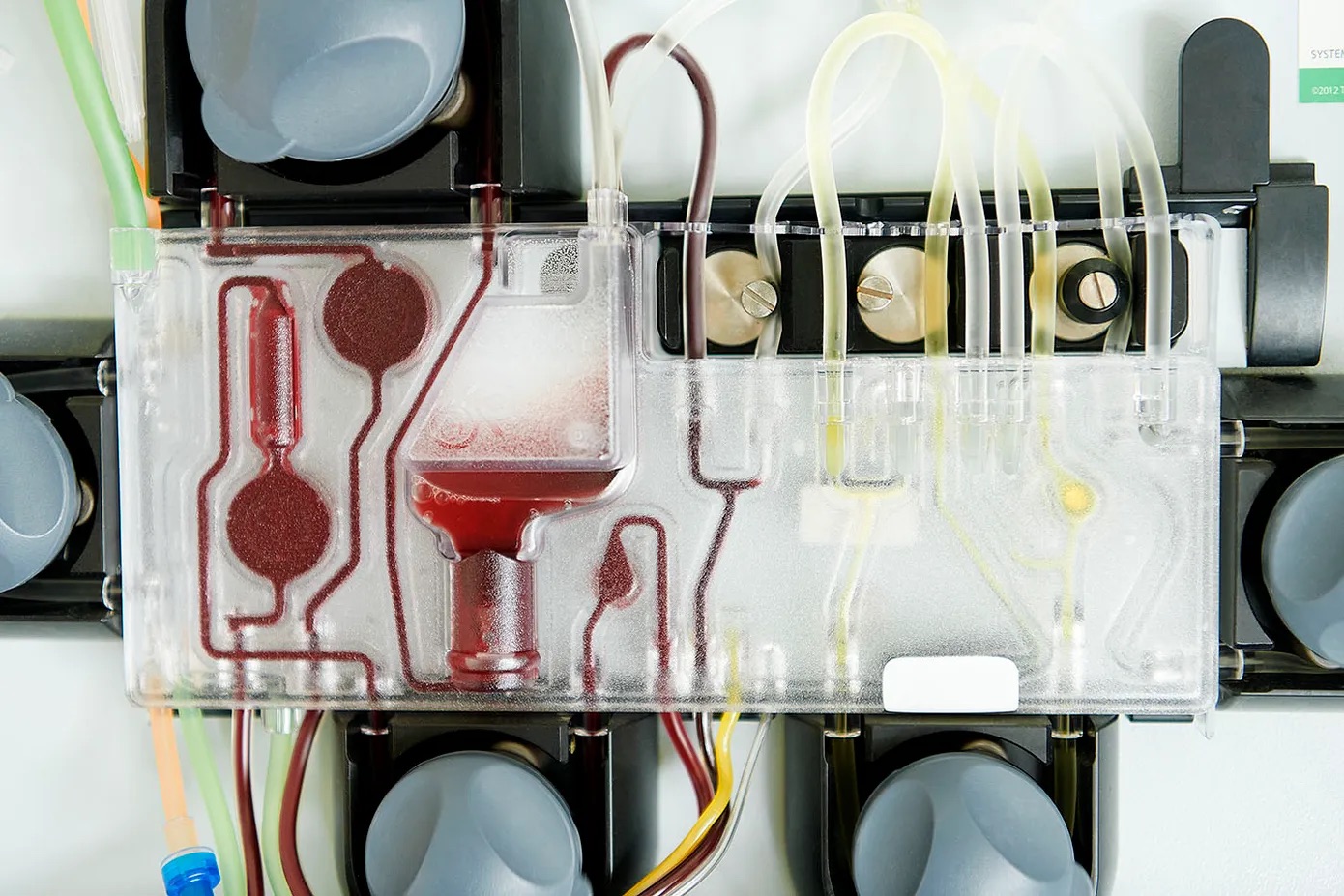
To understand the safety of TPE, one must first understand the mechanics. During TPE, blood is withdrawn from the patient, separated into its components (plasma, red blood cells, white blood cells, and platelets), and the plasma—which contains potential toxins, autoantibodies, or inflammatory factors—is discarded. The cellular components are then returned to the patient along with a replacement fluid, typically albumin or fresh frozen plasma.
This process is performed using automated apheresis machines that are equipped with numerous safety sensors. These machines continuously monitor:
- Blood flow rates
- Pressure in the lines
- Anticoagulant ratios
- Air bubbles (using ultrasonic detectors)
If any parameter falls outside the safe range, the machine automatically pauses or stops the procedure, ensuring patient safety is never compromised.
Common Side Effects: What to Expect
Most side effects associated with TPE are mild, transient, and easily managed during the procedure.
1. Citrate Reactions (Hypocalcemia)
The most common side effect during TPE is a reaction to the anticoagulant used to prevent blood from clotting in the machine. This anticoagulant is usually citrate (specifically, Acid-Citrate-Dextrose or ACD-A). Citrate works by binding to calcium ions in the blood. When the blood is returned to the patient, the citrate can temporarily lower the level of ionized calcium in the body.
Symptoms include:
- Tingling or numbness (paresthesia) around the mouth, lips, or in the fingers and toes.
- A metallic taste in the mouth.
- Mild muscle cramping or vibrations.
- Nausea or lightheadedness.
Management: These symptoms are typically mild and resolve quickly. Medical staff manage this by:
- Slowing down the return rate of the blood.
- Providing oral calcium supplements (like Tums) to chew.
- In more significant cases, administering calcium gluconate intravenously.
2. Vascular Access Issues
TPE requires reliable venous access to withdraw and return blood. This is usually achieved through peripheral veins in the arms (similar to donating blood) or, in some cases, a central line.
Potential issues include:
- Bruising (Hematoma): Minor bruising at the needle site is common and usually resolves on its own.
- Infiltration: Rarely, the needle may slip, causing fluid to leak into the surrounding tissue. This can cause swelling and discomfort but is generally not serious.
- Access Difficulty: Patients with small or deep veins may require multiple attempts or the use of ultrasound guidance for line placement.
3. Hypotension (Low Blood Pressure)
Because a volume of blood is being processed outside the body, some patients may experience a temporary drop in blood pressure. This is more likely if the patient is dehydrated or if the exchange rate is too fast.
Symptoms:
- Dizziness or lightheadedness.
- Faintness.
- Blurred vision.
Prevention and Management:
- Patients are encouraged to be well-hydrated and eat a meal before the procedure.
- The machine maintains "isovolemic" balance, meaning fluid is returned at the exact same rate it is removed.
- If hypotension occurs, the procedure is paused, and intravenous fluids (saline) are administered to restore volume.
4. Fatigue
Many patients report feeling tired or "washed out" immediately following a TPE session. This is a normal response to the physiological changes and fluid shifts that occur during the procedure. It typically resolves after a good night's sleep.
Rare but Serious Risks
While rare, more serious complications can occur. These are uncommon in outpatient settings with healthy or stable patients but are important to disclose for full transparency.
1. Allergic Reactions
Patients may have an allergic reaction to the replacement fluid (especially if Fresh Frozen Plasma is used) or the materials in the tubing set (though modern sets are biocompatible).
- Mild: Hives, itching, or rash. Treated with antihistamines (Benadryl).
- Severe (Anaphylaxis): Extremely rare. Symptoms include difficulty breathing or swelling of the throat. This is a medical emergency requiring immediate intervention with epinephrine. Note that using Albumin as a replacement fluid (standard for many neurological and longevity protocols) significantly reduces the risk of allergic reactions compared to plasma.
2. Infection
Any time the skin is punctured, there is a theoretical risk of infection. However, TPE is performed using strict sterile techniques. The tubing sets are single-use and disposable, eliminating the risk of transmitting blood-borne infections between patients. The risk of infection at the needle site is very low, comparable to a standard blood draw.
3. Coagulation Changes
Removing plasma also removes clotting factors. If a large volume is exchanged or if exchanges are performed frequently without adequate intervals, a patient's ability to clot blood may be temporarily reduced.
- Management: Routine blood work (CBC, coagulation profile) is monitored. For most standard protocols, the body regenerates clotting factors within 24-48 hours.
Safety in Longevity Protocols vs. Acute Care
It is important to distinguish between TPE performed for critically ill hospital patients and TPE performed for longevity or chronic management in an outpatient setting.
Hospital Setting: Patients are often unstable, have multi-organ failure, or are in the midst of a severe autoimmune crisis (e.g., myasthenia crisis). The risks in this population are higher due to their underlying health status.
Outpatient / Longevity Setting: Patients are generally stable and healthier.
- Selection Criteria: Candidates are screened to ensure they have adequate kidney function, hemoglobin levels, and venous access.
- Albumin Replacement: Using 5% Albumin as the replacement fluid is the gold standard for safety in these protocols, as it is pasteurized and carries zero risk of viral transmission, unlike donor plasma.
- Controlled Environment: The procedure is elective, meaning it can be scheduled when the patient is in optimal condition.
Who Should Not Undergo TPE? (Contraindications)
TPE is not suitable for everyone. Contraindications include:
- Active Infection: Patients with a fever or active systemic infection should delay treatment.
- Hemodynamic Instability: Severe heart failure or uncontrolled low blood pressure.
- Severe Anemia: Low red blood cell count.
- Allergy to Albumin: Or other replacement fluids.
- Difficult Venous Access: If peripheral veins are insufficient and a central line is not appropriate.
Conclusion: A Benefit-Risk Assessment
Therapeutic Plasma Exchange is a potent therapy. It physically removes harmful substances from the blood, offering relief for autoimmune conditions and showing promise in the field of aging. While not risk-free, the safety profile is well-understood and favorable, especially when compared to the chronic use of immunosuppressive drugs or the progression of untreated neurodegenerative diseases.
At VIP TPE, patient safety is our paramount concern. Our protocols are designed to mitigate risks through:
- Comprehensive Screening: Detailed medical history and lab work before starting.
- Expert Staff: Nurses and technicians specialized in apheresis.
- State-of-the-Art Technology: Using the latest Spectra Optia or Amicus separators.
- Continuous Monitoring: Vital signs tracked throughout the entire session.
If you have concerns about the safety of TPE or whether you are a candidate, we encourage you to schedule a consultation. Understanding the balance between the potential benefits—reduced inflammation, improved cognitive function, and disease management—and the manageable risks is the first step toward making an informed decision about your health.