Is Therapeutic Plasma Exchange (TPE) FDA Approved?
Is Therapeutic Plasma Exchange (TPE) FDA Approved?
In the era of emerging health trends and biohacking, skepticism is healthy. When patients hear about a powerful therapy like Therapeutic Plasma Exchange (TPE), one of the first questions they ask is: "Is TPE FDA approved?"
The answer is yes, but it requires a deeper explanation than a simple checkbox.
To understand the regulatory status of TPE, we must distinguish between the machine, the fluids, and the disease being treated.
1. The Machine: FDA Cleared
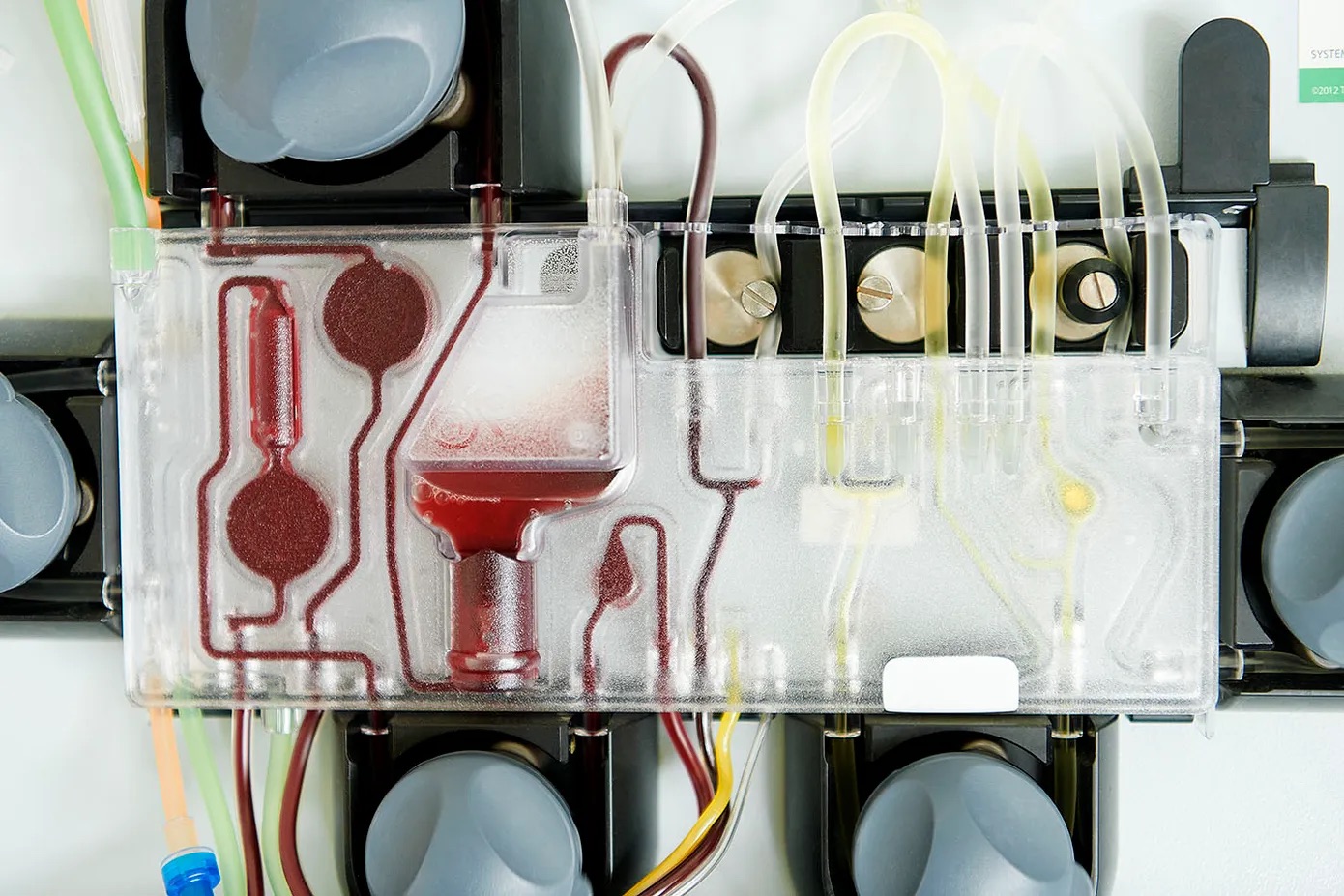
The hardware used for TPE—the apheresis machine itself—is strictly regulated by the FDA.
- FDA 510(k) Clearance: Manufacturers like Terumo BCT (Spectra Optia) and Fresenius Kabi (Amicus) have received FDA clearance for their devices.
- What this means: The FDA has reviewed the engineering, safety features, and clinical data and determined that these machines are safe and effective for separating blood components.
- The Reality: When you sit in the chair at VIP TPE, you are being treated with a medical device that has undergone rigorous federal scrutiny. It is not an experimental gadget; it is standard hospital equipment used in ICUs nationwide.
2. The Fluids: FDA Approved
During TPE, your plasma is removed and replaced. The replacement fluid is usually Albumin (a blood protein).
- Albumin: Is an FDA-approved biological product. It is manufactured from pooled human plasma in highly regulated facilities (like Grifols or CSL Behring).
- Safety: Every batch is tested for viruses (HIV, Hepatitis) and treated with heat/solvents to ensure sterility.
- Traceability: The FDA mandates strict tracking of every bottle of Albumin from donor to recipient.
3. The Indications: Approved vs. Off-Label
This is where the confusion often lies. The FDA does not "approve" a medical procedure for every single possible use. Instead, it approves it for specific conditions based on clinical trials.
FDA-Recognized Indications (Standard of Care)
The American Society for Apheresis (ASFA) publishes guidelines that are generally accepted by the FDA and insurance companies. TPE is FDA-recognized (Category I or II) for treating:
- Guillain-Barré Syndrome (GBS)
- Myasthenia Gravis (Crisis)
- Chronic Inflammatory Demyelinating Polyneuropathy (CIDP)
- Thrombotic Thrombocytopenic Purpura (TTP)
- Goodpasture's Syndrome
- Multiple Sclerosis (Acute Relapse)
For these conditions, TPE is not just approved; it is the gold standard.
Off-Label Use (The Practice of Medicine)
"Off-label" sounds scary, but it is a standard part of medical practice.
- Definition: Prescribing an FDA-approved drug or using an FDA-cleared device for a condition other than the one it was originally approved for.
- Example: Using Botox (approved for eye spasms) for wrinkles (before it was approved for wrinkles) or migraines. Using Beta-blockers (heart meds) for stage fright.
- Legality: The FDA regulates marketing, not the practice of medicine. Doctors are legally allowed to use their medical judgment to prescribe TPE for conditions where they believe it will benefit the patient, even if not yet on the FDA list.
Emerging Indications: Alzheimer's and Longevity
Currently, TPE for Alzheimer's Disease and Longevity falls into this "off-label" or "investigational" category.
- The AMBAR Trial: A major clinical trial (Management of Albumin Replacement for Alzheimer's Disease) showed significant slowing of cognitive decline in moderate Alzheimer's patients treated with TPE.
- FDA Status: While the results were promising, the FDA has not yet granted a specific "label" for Alzheimer's treatment. However, the data is compelling enough that many neurologists now prescribe it off-label.
- Longevity: Using TPE to remove "senescent factors" or reduce biological age is a cutting-edge application. It is legal, but insurance will not cover it because it is considered elective/wellness.
Is "Off-Label" Safe?
Safety is determined by the procedure itself, not the label.
- The Procedure Risk: The risk of TPE (infection, low calcium, blood pressure drop) is the same whether you are treating GBS (FDA approved) or Alzheimer's (Off-label).
- The Benefit: The "risk" in off-label use is primarily financial (insurance won't pay) and efficacy (will it work?).
- Informed Consent: At VIP TPE, we ensure every patient understands the distinction. You will sign a consent form acknowledging the off-label nature of the treatment if applicable.
Conclusion: A Regulated, Safe Therapy
So, is TPE FDA approved?
- The Machine: Yes.
- The Fluids: Yes.
- The Process: Yes.
- The Use Case: Depends on your diagnosis.
For patients seeking TPE for longevity or neuroprotection, you can rest assured that while the application is innovative, the tools and protocols are time-tested, FDA-cleared, and used daily in hospitals around the world.
Have questions about your specific condition? Contact Us to discuss whether TPE is an appropriate option for you.
Further Reading: