Is TPE Safe? Understanding the Risks and Benefits for Healthy Adults
Is TPE Safe? Understanding the Risks and Benefits for Healthy Adults
As Therapeutic Plasma Exchange (TPE) gains popularity in the longevity community, a common and vital question arises: "Is it safe?" TPE is not a wellness fad like a juice cleanse; it is a serious medical procedure that has been used in hospitals for decades. While its application for anti-aging is relatively new, the procedure itself has a long, well-documented safety track record. In this article, we will provide an honest, transparent look at the safety profile of TPE, detailing the risks, the safeguards, and why it is considered a low-risk intervention when performed by experienced medical professionals.
A Procedure with a History
First, context is important. TPE is not experimental. It is an FDA-approved therapy for dozens of conditions, including Myasthenia Gravis, Guillain-Barré syndrome, and various autoimmune disorders.
- Volume: Hundreds of thousands of TPE procedures are performed annually in hospitals worldwide.
- Standardization: The protocols, machines, and safety checks are standardized globally. This means we aren't guessing about safety. We have decades of data from millions of procedures.
The Safety Profile for Healthy Individuals
Interestingly, the safety profile for TPE in a longevity context is often better than in a hospital setting. Why?
- Patient Status: Hospital patients receiving TPE are often critically ill, with compromised immune systems or organ failure.
- Longevity Clients: Individuals seeking TPE for anti-aging are generally healthy. Their bodies are more resilient, their veins are better, and they tolerate hemodynamic changes (shifts in fluid volume) much better.
The AMBAR trial, which performed thousands of TPE sessions on elderly Alzheimer's patients, reported a very high safety profile, with 90% of adverse events being mild to moderate.
Potential Side Effects and Risks
Like any medical procedure involving needles and blood, TPE carries risks. Here is a breakdown of what can happen, ranging from common to rare.
1. Venous Access Issues (Most Common)
TPE requires good blood flow. We typically place an IV line in each arm (one for draw, one for return).
- Bruising/Hematoma: Minor bruising at the needle site is the most common side effect.
- Infiltration: Rarely, fluid can leak into the tissue around the vein, causing temporary swelling.
- Difficulty with Access: If peripheral veins are too small, the machine may alarm due to low flow. In our clinic, we screen veins beforehand to ensure you are a good candidate.
2. Hypocalcemia (Citrate Reaction)
To prevent blood from clotting in the machine, an anticoagulant called citrate is used. Citrate binds to calcium. When the blood returns to your body, it can temporarily lower your calcium levels.
- Symptoms: Tingling in the lips or fingertips, a metallic taste, or mild muscle cramping.
- Management: This is very common and easily managed. We provide oral calcium supplements (Tums) during the procedure, or infuse calcium intravenously if needed. The symptoms resolve almost immediately upon calcium administration.
3. Hypotension (Low Blood Pressure)
Since we are removing fluid (plasma), there can be transient drops in blood pressure, potentially causing lightheadedness.
- Mitigation: The machine is programmed to maintain "isovolemic" balance—meaning for every drop of plasma removed, a drop of replacement fluid is added instantly. We also ensure patients are well-hydrated and have eaten before the procedure.
4. Fatigue
Some patients report feeling tired or "washed out" for the rest of the day following the procedure. This is a normal response to the physiological shift. Conversely, many patients report a surge of energy and mental clarity the next day.
5. Allergic Reaction (Rare)
There is a very small risk of allergic reaction to the replacement fluid (albumin) or the materials in the tubing.
- Human Albumin: We use high-quality, pasteurized human albumin, which is extremely safe and has a negligible risk of viral transmission or reaction compared to fresh frozen plasma.
6. Infection (Very Rare)
Any time skin is punctured, there is a theoretical risk of infection. We use strict sterile techniques, identical to a surgical setting, to minimize this risk to near zero.
Who is NOT a Candidate? (Contraindications)
TPE is not for everyone. Safety starts with proper screening. You may not be a candidate if you have:
- Severe Anemia: Low red blood cell count.
- Active Infection: We do not want to manipulate the blood during an active bacterial infection.
- Unstable Heart Disease: Recent heart attack or severe heart failure.
- Coagulation Disorders: Conditions that make you bleed too easily (unless TPE is being used to treat them under strict supervision).
- Poor Venous Access: If we cannot get good flow from your arm veins, we generally do not recommend placing a central line (neck catheter) solely for elective longevity purposes due to the higher risks involved.
Our Safety Protocols: The VIP Standard
At our clinic, we go above and beyond standard safety measures to ensure a premium, worry-free experience.
- Medical Screening: Every client undergoes a comprehensive medical evaluation, including blood work (CBC, metabolic panel, coagulation profile) and a consultation with our physician before being approved.
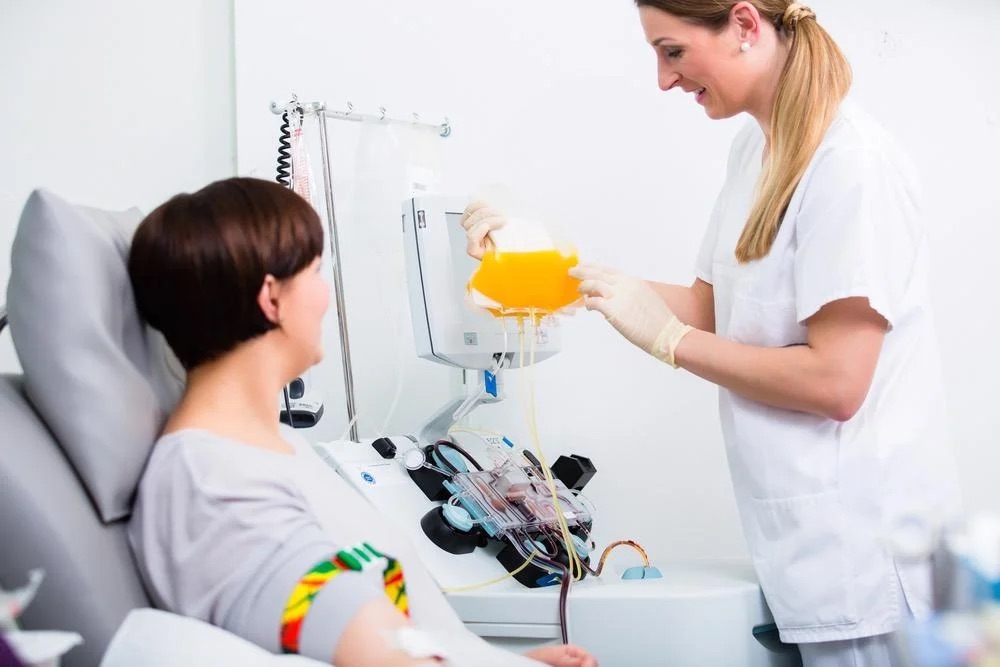
- Continuous Monitoring: During the 2-3 hour procedure, you are continuously monitored. We track blood pressure, heart rate, and oxygen saturation. A dedicated nurse is by your side the entire time.
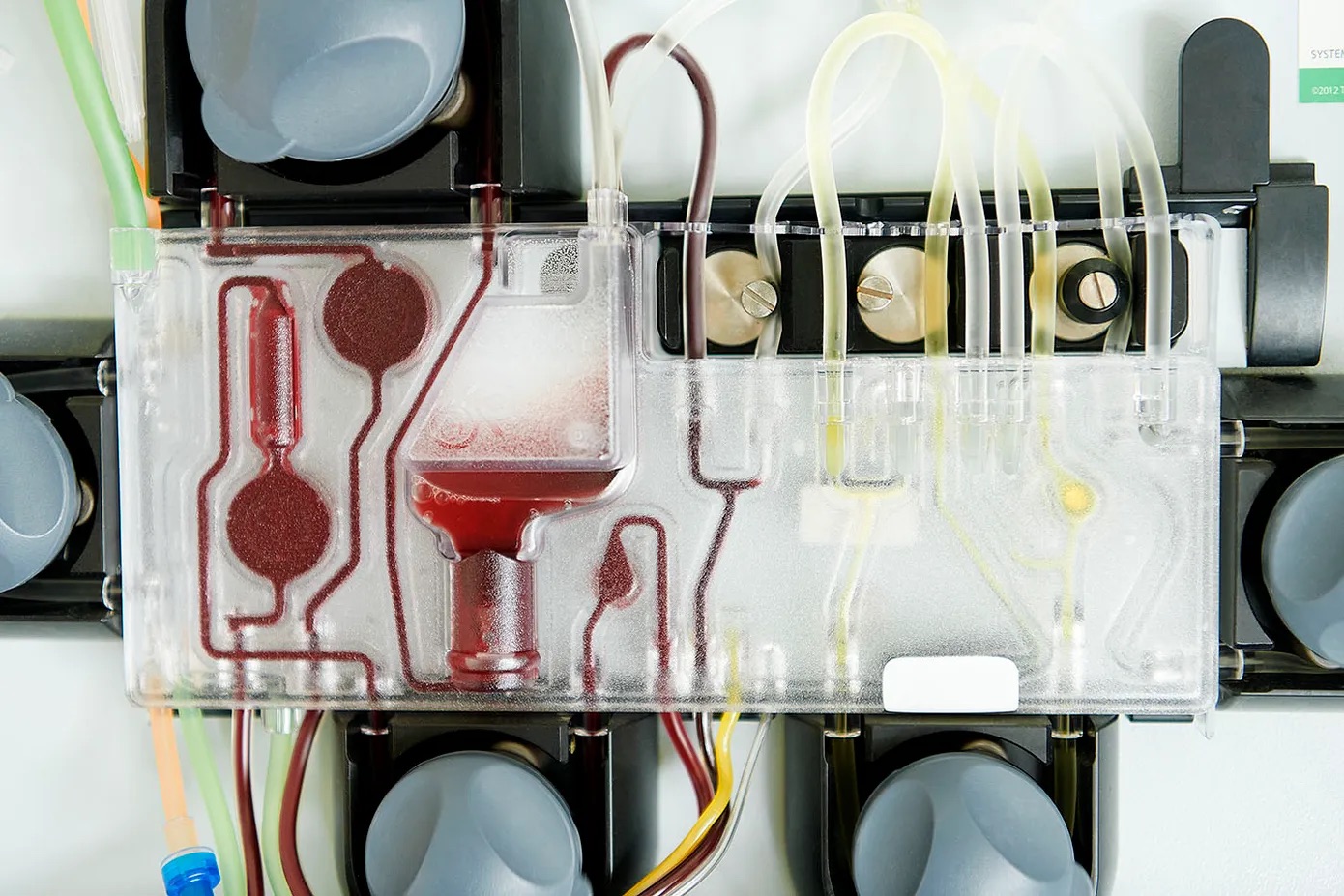
- Advanced Technology: We use state-of-the-art apheresis machines (like the Spectra Optia or similar) that have redundant safety sensors for air bubbles, pressure changes, and fluid balance.
- Electrolyte Management: We proactively manage calcium and electrolyte levels to prevent the "tingling" sensation before it even starts.
- Comfort Focus: We ensure you are warm, comfortable, and relaxed. Stress can affect blood flow, so a calm environment is actually a safety feature.
The Risk-Benefit Analysis
In medicine, everything is a balance of risk and reward.
- The Risk: Minor bruising, temporary fatigue, transient tingling. (Serious risks are extremely rare).
- The Potential Benefit: Removal of systemic toxins, reduction of inflammation, lowered risk of neurodegenerative disease, improved organ function, and potentially slowed biological aging.
For most healthy adults, the risk-benefit ratio leans heavily in favor of TPE. It is less invasive than surgery, has fewer systemic side effects than many chronic medications, and offers a unique mechanism of action that cannot be achieved through diet or exercise alone.
Conclusion
Is TPE safe? The short answer is yes. When performed by trained professionals on properly screened candidates using modern equipment, TPE is a safe, well-tolerated procedure. It is a serious therapy, and we treat it with the respect it deserves. But you can rest assured that the "oil change" for your health is backed by rigorous safety standards and a medical team dedicated to your well-being. If you have specific concerns about your medical history and TPE, schedule a consultation with us. We believe in informed consent and will walk you through every step of the process.