Lecanemab (Leqembi) vs. TPE: Comparing the Newest Alzheimer's Treatments
Lecanemab (Leqembi) vs. TPE: Comparing the Newest Alzheimer's Treatments
2023 and 2024 were watershed years for Alzheimer's research with the full FDA approval of Lecanemab (sold as Leqembi). For the first time, doctors had a drug that didn't just mask symptoms but actually targeted the underlying disease pathology: amyloid plaques.
However, the headlines often gloss over the fine print. While Leqembi is a breakthrough, it comes with significant risks, modest efficacy, and a high price tag.
At the same time, Therapeutic Plasma Exchange (TPE) has been gaining traction as a non-pharmaceutical alternative, bolstered by strong clinical trial data (the AMBAR trial).
If you or a loved one are navigating these choices, you need a clear, unbiased comparison. In this article, we go head-to-head: Monoclonal Antibodies (Leqembi) vs. Plasma Exchange (TPE).
The Contenders
Lecanemab (Leqembi)
- Type: Monoclonal Antibody (Immunotherapy).
- Mechanism: It is an antibody engineered to bind to protofibrils (early clumps) of beta-amyloid in the brain and signal the body's immune system to destroy them.
- Administration: Intravenous (IV) infusion every two weeks.
Therapeutic Plasma Exchange (TPE)
- Type: Apheresis (Blood Purification Procedure).
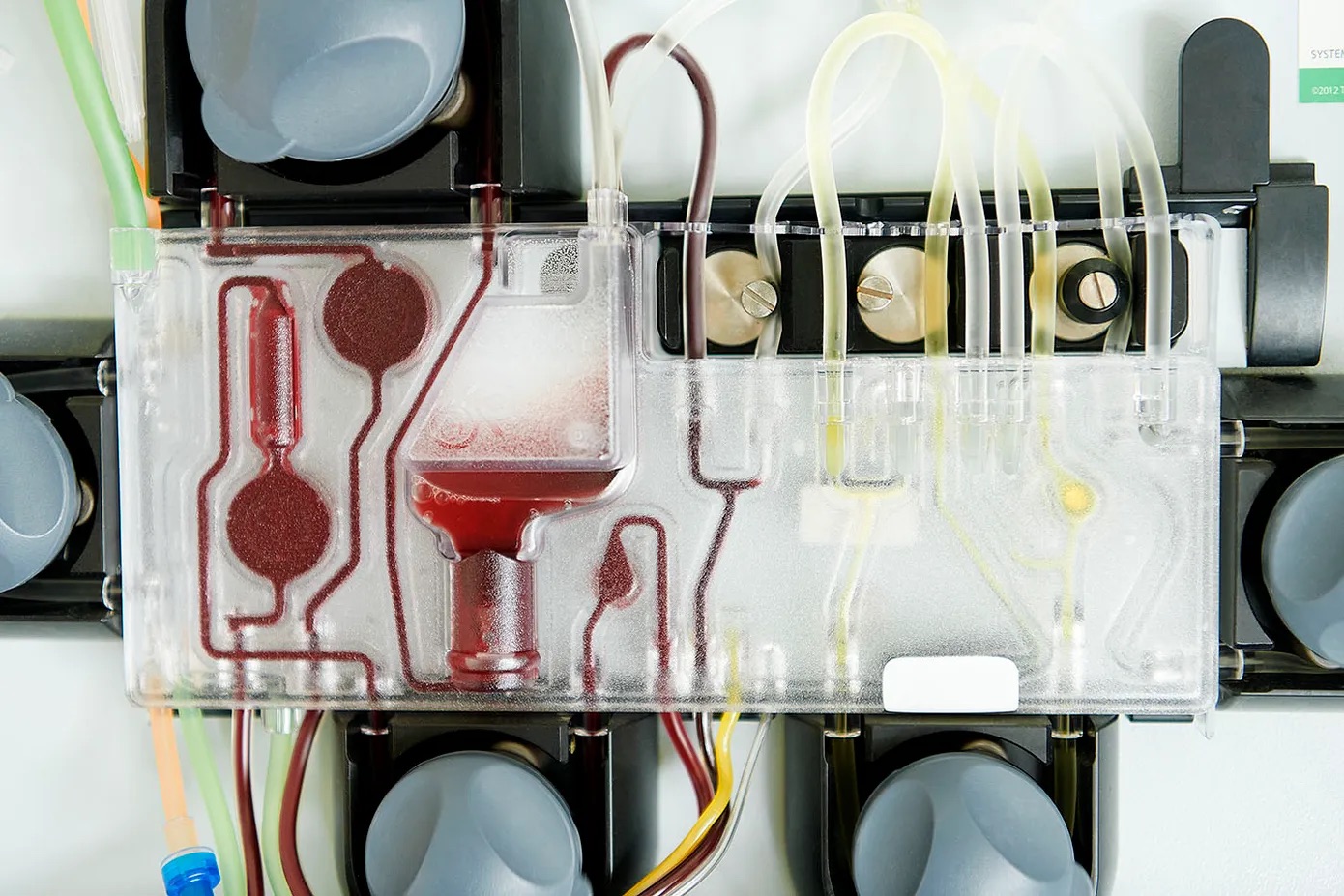
- Mechanism: Removes plasma containing amyloid, inflammatory cytokines, and autoantibodies from the blood. Replaces it with fresh Albumin. This creates a "sink effect," pulling amyloid out of the brain into the blood for clearance.
- Administration: IV-based procedure, frequency varies (often intense induction followed by maintenance).
Round 1: Efficacy (Does it Work?)
Lecanemab: In its Phase 3 clinical trials, Lecanemab slowed cognitive decline by 27% over 18 months compared to placebo.
- Verdict: It works, but the effect is modest. It slows the disease; it does not stop or reverse it. A 27% slowing might mean keeping a patient independent for a few months longer.
TPE (AMBAR Trial): The AMBAR trial tested TPE with Albumin replacement in mild-to-moderate Alzheimer's patients.
- Mild Patients: Showed a 61% slowing of disease progression (measured by the ADCS-ADL scale).
- Moderate Patients: Showed stabilization and significantly less decline than placebo.
- Verdict: In the specific sub-group of mild Alzheimer's, TPE showed a significantly higher percentage of slowing (60%+) compared to the 27% seen with Lecanemab.
Round 2: Safety & Side Effects
This is where the divergence is most critical.
Lecanemab: The Risk of ARIA The major downside of anti-amyloid drugs is ARIA (Amyloid-Related Imaging Abnormalities).
- ARIA-E: Edema (swelling) of the brain.
- ARIA-H: Micro-hemorrhages (bleeding) in the brain.
- Stats: In trials, 21% of patients taking Lecanemab developed ARIA. While many cases were asymptomatic, some were serious or fatal.
- Contraindications: Patients on blood thinners or with certain genetic markers (APOE4 homozygotes) are at much higher risk of dangerous brain bleeding.
TPE: The Safety Profile TPE has been used for decades for autoimmune diseases.
- Side Effects: Generally mild and transient. Can include fatigue, tingling (hypocalcemia), or minor blood pressure changes during the procedure.
- No Brain Swelling: TPE does not cause ARIA. It does not trigger an immune attack inside the brain. Instead, it works systemically (in the blood), making it a much safer option for patients worried about brain bleeds.
- No Drug Interactions: Since it is a mechanical process, it doesn't interact with other medications the patient might be taking.
Round 3: The Mechanism of Action
Lecanemab: The "Sledgehammer" Leqembi is highly specific. It targets one thing: Amyloid.
- Limitation: Alzheimer's is complex. It involves amyloid, tau, inflammation, vascular issues, and metabolic dysfunction. Targeting only amyloid is like trying to fix a crumbling house by only painting the walls.
TPE: The "Systemic Reset" TPE is broad-spectrum.
- Removes Amyloid: Via the sink effect.
- Removes Inflammation: Clears circulating cytokines (IL-6, TNF-alpha).
- Improves Blood Flow: Lowers viscosity, helping oxygen reach the brain.
- Antioxidant Boost: Fresh Albumin provides massive antioxidant protection.
- Advantage: TPE addresses multiple drivers of Alzheimer's simultaneously (Neuroinflammation + Vascular Health + Proteostasis).
Round 4: Accessibility and Cost
Lecanemab:
- Cost: ~$26,500 per year (drug cost only), plus costs for regular MRI scans to monitor for brain swelling.
- Insurance: Medicare covers it, but with strict requirements (registry participation, confirmed amyloid pathology).
TPE:
- Cost: Variable, typically paid out-of-pocket for longevity/Alzheimer's indications (elective). Can range from $3,000 - $6,000 per session.
- Insurance: Generally not covered for Alzheimer's (yet), as it is considered "investigational" for this specific use despite the AMBAR trial data.
Conclusion: Which Should You Choose?
The choice depends on your risk tolerance and biological profile.
Consider Lecanemab if:
- You have confirmed amyloid pathology.
- You are comfortable with the risk of ARIA and regular MRI monitoring.
- You have insurance coverage that makes it accessible.
Consider TPE if:
- Safety is Paramount: You want to avoid the risk of brain swelling and bleeding.
- You are APOE4 Homozygous: High-risk carriers are often advised against Leqembi due to severe ARIA risk. TPE is safe for APOE4 carriers.
- Holistic Approach: You want to target inflammation and vascular health alongside amyloid.
- Prevention: You are looking for a preventive strategy before full-blown dementia sets in (Leqembi is only for diagnosed MCI/Mild Dementia).
At VIP TPE, we believe in the power of the systemic approach. By cleaning the blood, we heal the brain. TPE offers a robust, multi-faceted defense against neurodegeneration without the terrifying risks of brain hemorrhage.
Unsure which path is right for you? Our medical team can help you weigh the latest research against your personal health history.
Contact us for a Comparative Consultation. Learn more about our Alzheimer's Protocols. Read the Science behind TPE.