Long COVID Recovery: How Therapeutic Plasma Exchange Can Help
Long COVID Recovery: How Therapeutic Plasma Exchange Can Help
Long COVID, also known as Post-Acute Sequelae of SARS-CoV-2 infection (PASC), has emerged as a significant global health challenge following the COVID-19 pandemic. For millions of individuals, the initial viral infection was just the beginning of a prolonged and often debilitating battle with a wide range of symptoms. From crushing fatigue and "brain fog" to cardiovascular issues and shortness of breath, Long COVID can dramatically impact quality of life.
As researchers and clinicians scramble to find effective treatments, Therapeutic Plasma Exchange (TPE) has gained attention as a promising intervention. By filtering the blood to remove harmful substances, TPE may address some of the underlying mechanisms driving Long COVID, such as persistent inflammation, microclots, and autoimmunity.
In this comprehensive guide, we will explore the science behind Long COVID, how TPE works, the potential benefits for patients, and what the latest research suggests about this innovative therapy.
Understanding Long COVID: The Persistent Struggle
Long COVID is defined as the continuation or development of new symptoms three months after the initial SARS-CoV-2 infection, with these symptoms lasting for at least two months with no other explanation. The condition is complex and multifaceted, affecting multiple organ systems.
The diverse symptoms of Long COVID
The symptoms of Long COVID are vast and can vary significantly from person to person. However, some of the most common complaints include:
- Severe Fatigue: A profound exhaustion that does not improve with rest and is often worsened by physical or mental exertion (post-exertional malaise).
- Cognitive Dysfunction: Often referred to as "brain fog," this includes difficulties with concentration, memory, and executive function.
- Respiratory Issues: Shortness of breath, persistent cough, and chest pain.
- Cardiovascular Symptoms: Palpitations, rapid heart rate (POTS), and blood pressure fluctuations.
- Neurological Symptoms: Headaches, sleep disturbances, numbness, and pins-and-needles sensations.
- Musculoskeletal Pain: Joint pain and muscle aches.
- Gastrointestinal Issues: Abdominal pain, nausea, and changes in appetite.
Why does Long COVID happen?
The exact cause of Long COVID is still being investigated, but several leading theories have emerged:
- Viral Persistence: Remnants of the virus (viral reservoirs) may remain in the body, continuously stimulating the immune system.
- Chronic Inflammation: The initial infection may trigger a state of chronic, low-grade inflammation that damages tissues and organs.
- Autoimmunity: COVID-19 can trigger the production of autoantibodies—antibodies that mistakenly attack the body's own tissues—leading to an autoimmune-like condition.
- Microclotting: Tiny blood clots may form in the microvasculature, impairing blood flow and oxygen delivery to tissues.
- Mitochondrial Dysfunction: The virus may damage mitochondria, the powerhouses of cells, leading to energy deficits and fatigue.
It is likely that a combination of these factors contributes to the diverse presentation of Long COVID. This complexity makes it difficult to treat with a single medication, which is why systemic therapies like TPE are being explored.
What is Therapeutic Plasma Exchange (TPE)?
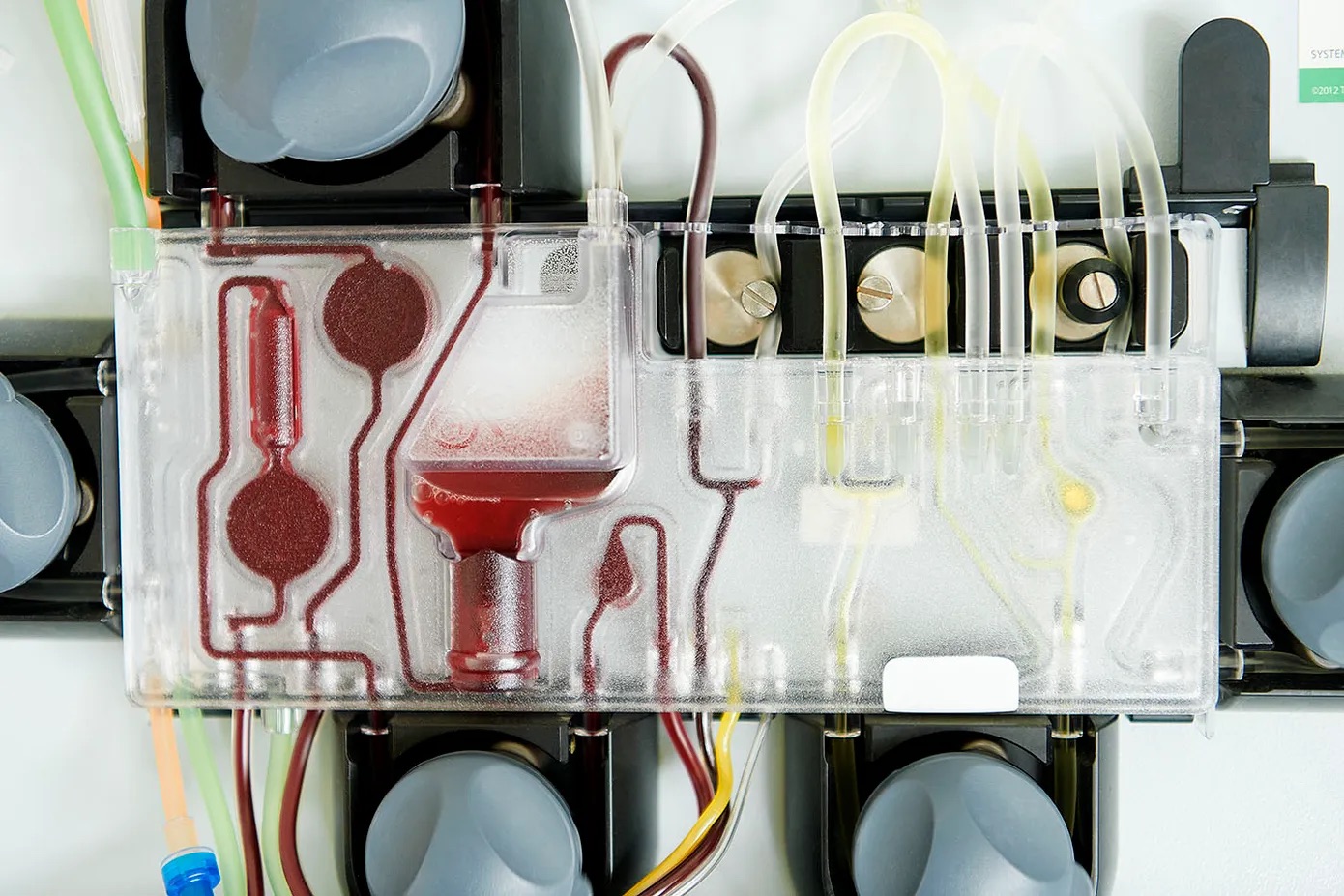
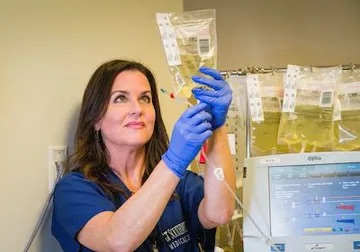
Therapeutic Plasma Exchange, often called plasmapheresis, is a medical procedure that involves separating the liquid part of the blood (plasma) from the blood cells. The plasma contains antibodies, cytokines, clotting factors, and other proteins. In TPE, the patient's plasma is removed and replaced with a substitution fluid, such as albumin or fresh frozen plasma, while the blood cells (red blood cells, white blood cells, and platelets) are returned to the body.
How TPE Works
The procedure is performed using an apheresis machine. Here is a simplified overview of the process:
- Blood is drawn from a vein in one arm (or through a central line).
- The blood enters the apheresis machine, where it is spun in a centrifuge or passed through a filter to separate the plasma from the cells.
- The plasma, which carries the harmful substances, is discarded.
- The blood cells are mixed with the replacement fluid.
- The reconstituted blood is returned to the patient through a vein in the other arm.
This process effectively "washes" the blood, removing large molecular weight substances that may be contributing to disease.
The Rationale for TPE in Long COVID
Given the potential mechanisms driving Long COVID—inflammation, autoimmunity, and microclots—TPE offers a logical therapeutic approach. Here is how TPE may help address these underlying issues:
1. Removing Autoantibodies
Many Long COVID patients test positive for various autoantibodies, including those targeting G-protein coupled receptors (GPCRs), which regulate blood pressure and heart rate. These autoantibodies can disrupt normal physiological functions and contribute to symptoms like POTS and fatigue. TPE is a standard treatment for many autoimmune diseases because it efficiently removes these circulating autoantibodies, potentially restoring normal function.
2. Clearing Inflammatory Cytokines
Chronic inflammation is a hallmark of Long COVID. Elevated levels of pro-inflammatory cytokines (signaling proteins) can maintain the body in a state of high alert, causing tissue damage and symptoms like fatigue and pain. TPE can physically remove these cytokines from the circulation, helping to "reset" the immune system and reduce systemic inflammation.
3. Eliminating Microclots and Fibrinogen
Recent research has suggested that microclots—tiny, amyloid-like clots that are resistant to normal breakdown—may be present in the blood of Long COVID patients. These clots can block small blood vessels, preventing oxygen from reaching tissues. TPE can help remove fibrinogen (a protein involved in clotting) and potentially filter out these microclots, improving blood flow and oxygenation.
4. Improving Endothelial Function
The endothelium is the lining of the blood vessels. In Long COVID, endothelial dysfunction is common. By removing inflammatory mediators and toxic factors, TPE may help heal the endothelium, improving vascular health and reducing cardiovascular symptoms.
Potential Benefits of TPE for Long COVID Patients
While research is ongoing, early clinical reports and anecdotal evidence suggest that TPE can provide significant relief for some Long COVID patients. Potential benefits include:
- Improved Energy Levels: Many patients report a reduction in fatigue and an increase in physical stamina.
- Clearer Thinking: "Brain fog" often lifts, leading to better concentration, memory, and mental clarity.
- Reduced Pain: Joint and muscle pain may diminish as inflammation subsides.
- Better Autonomic Function: Symptoms of dysautonomia, such as rapid heart rate and dizziness, may improve as autoantibodies are removed.
- Enhanced Respiratory Function: Some patients experience easier breathing and reduced chest tightness.
It is important to note that responses to TPE can vary. Some patients may experience dramatic improvements after a few sessions, while others may see more gradual changes.
The Procedure: What to Expect
If you are considering TPE for Long COVID, knowing what to expect can help alleviate anxiety. The procedure is generally performed in an outpatient setting.
Before the Procedure
- Evaluation: You will undergo a thorough medical evaluation to determine if you are a candidate for TPE. This typically involves blood tests to check your blood count, clotting factors, and protein levels.
- Hydration: Being well-hydrated is crucial for good venous access and blood flow.
- Medications: Your doctor may advise you to hold certain medications before the procedure.
During the Procedure
- Duration: A typical TPE session lasts between 2 to 3 hours.
- Comfort: You will be seated in a comfortable reclining chair. You can read, watch TV, or listen to music.
- Sensation: You may feel a slight prick when the needles are inserted. During the exchange, some patients feel cold or experience tingling in the lips or fingers (due to citrate used to prevent clotting), which can be easily managed with calcium supplements.
After the Procedure
- Observation: You will be monitored for a short period after the procedure to ensure you are stable.
- Fatigue: It is common to feel tired for the rest of the day.
- Hydration: Continue to drink plenty of fluids.
Frequency of Treatment
The number and frequency of TPE sessions depend on the severity of symptoms and the patient's response. A common protocol might involve 5 to 7 sessions spread over a few weeks.
Safety and Risks
TPE is generally considered a safe procedure, especially when performed by experienced medical teams. However, like any medical intervention, it carries some risks:
- Hypotension: Blood pressure may drop during the procedure, causing dizziness.
- Allergic Reaction: Rarely, patients may have an allergic reaction to the replacement fluid or the anticoagulant.
- Infection: There is a small risk of infection at the needle insertion sites.
- Electrolyte Imbalance: The anticoagulant citrate can bind to calcium, leading to low calcium levels. This is monitored and treated promptly.
Your medical team will closely monitor you throughout the procedure to manage any side effects immediately.
Complementary Therapies
TPE is often most effective when used as part of a comprehensive treatment plan. Combining TPE with other therapies can enhance recovery:
- Nutritional Support: An anti-inflammatory diet rich in antioxidants can support the body's healing process.
- Supplements: Certain supplements, such as CoQ10, magnesium, and omega-3 fatty acids, may be beneficial.
- Graded Exercise Therapy: For some, slowly increasing activity levels (within limits) can help rebuild stamina, though this must be approached cautiously to avoid post-exertional malaise.
- Hyperbaric Oxygen Therapy (HBOT): Some clinics offer HBOT in conjunction with TPE to further improve tissue oxygenation.
Conclusion: A Ray of Hope
Long COVID is a challenging and often isolating condition, but you are not alone, and there is hope. Therapeutic Plasma Exchange represents a proactive approach to targeting the biological roots of the disease. By cleaning the blood of harmful autoantibodies, inflammatory cytokines, and clotting factors, TPE offers a chance for the body to reset and heal.
If you are struggling with persistent symptoms of Long COVID that have not responded to standard treatments, TPE may be worth considering. Consult with a specialist who understands the complexities of Long COVID and can guide you through the potential benefits and risks of this therapy.
At VIP TPE, we are dedicated to providing cutting-edge therapies to help you reclaim your health and vitality. Our experienced team is here to support you on your journey to recovery.
Frequently Asked Questions (FAQ)
Q: Is TPE FDA-approved for Long COVID? A: TPE is FDA-approved for various autoimmune and neurological conditions. Its use for Long COVID is currently considered "off-label" or investigational, based on its success in treating similar pathophysiological mechanisms.
Q: How soon will I see results? A: Some patients report improvements after just one or two sessions, while others may need a full course of treatment to notice significant changes.
Q: Is the relief permanent? A: For many patients, TPE provides long-lasting relief by breaking the cycle of inflammation and autoimmunity. However, some may require maintenance sessions depending on their specific condition.
Q: Does insurance cover TPE for Long COVID? A: Coverage varies significantly by insurance provider and plan. Since it is often considered investigational for Long COVID, it may not be covered. Our financial counselors can help you understand your options.
Q: Can I drive home after the procedure? A: We generally recommend having someone drive you home after your first session, as you may feel tired or lightheaded.