Lowering Neurodegeneration Risk: TPE as a Preventive Strategy
Lowering Neurodegeneration Risk: TPE as a Preventive Strategy
As the global population ages, the prevalence of neurodegenerative diseases—conditions where nerve cells in the brain or peripheral nervous system lose function over time and ultimately die—is skyrocketing. Alzheimer's disease, Parkinson's disease, and ALS are no longer rare tragedies but common fears.
While current medications offer modest symptom relief, they often fail to halt the underlying disease process. This has led to a surge in research for preventive and disease-modifying therapies. One of the most promising frontiers is Therapeutic Plasma Exchange (TPE). Originally used for acute neurological crises, TPE is now being investigated for its potential to clear neurotoxic proteins from the blood, potentially slowing or even preventing the onset of neurodegeneration.
In this article, we will delve into the science connecting blood plasma to brain health, the evidence for TPE in neuroprotection, and how this therapy could become a key part of a preventive brain health strategy.
The Blood-Brain Connection: A Two-Way Street
The brain was once thought to be isolated from the rest of the body by the Blood-Brain Barrier (BBB). We now know that this barrier is dynamic and permeable to certain signals. What happens in the blood profoundly affects the brain.
1. Systemic Inflammation and the Brain
Chronic inflammation in the body (systemic inflammation) can weaken the BBB, allowing inflammatory cytokines and immune cells to enter the brain. This triggers neuroinflammation, a key driver of neurodegeneration. Microglia, the brain's immune cells, become chronically activated, releasing toxic chemicals that damage neurons.
2. The "Sink Hypothesis" for Alzheimer's
A leading theory in Alzheimer's research is the "peripheral sink hypothesis." The brain produces beta-amyloid, a protein that forms sticky plaques in Alzheimer's patients. This amyloid exists in equilibrium between the brain and the blood. The theory suggests that if we lower the level of amyloid in the blood, it creates a concentration gradient that pulls amyloid out of the brain (like a sink draining), effectively clearing the plaques.
3. Aging Factors in Plasma
Groundbreaking research has shown that "young blood" contains factors that rejuvenate tissues, while "old blood" contains factors that accelerate aging. As we age, our plasma accumulates pro-aging factors (like CCL11, B2M) and loses rejuvenating factors. This "bad plasma" environment impairs neurogenesis (the birth of new neurons) and cognitive function.
How Therapeutic Plasma Exchange Protects the Brain
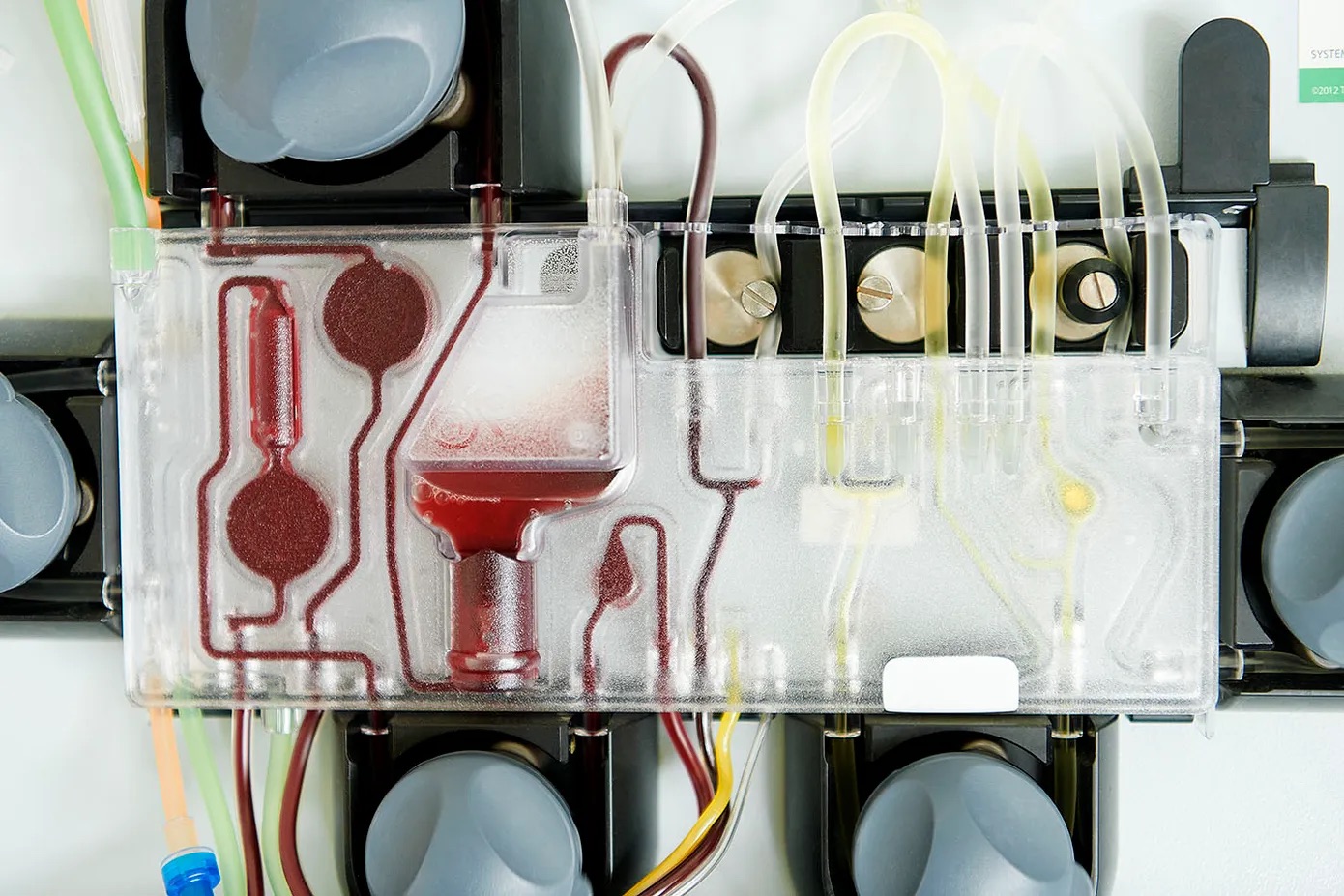
TPE, or plasmapheresis, works by separating and removing the plasma portion of the blood. It replaces it with a clean fluid, typically albumin. This simple mechanical process has profound biological effects on the brain.
1. Removing Neurotoxic Proteins
TPE directly removes circulating beta-amyloid and tau proteins (another hallmark of Alzheimer's) from the plasma. By lowering plasma levels, TPE may facilitate the clearance of these toxic proteins from the brain, potentially slowing plaque formation. The AMBAR (Alzheimer's Management By Albumin Replacement) trial demonstrated that TPE could slow cognitive decline in mild-to-moderate Alzheimer's patients.
2. Replacing "Old" with "New"
TPE removes the accumulated "pro-aging" factors and inflammatory cytokines found in older plasma. It replaces them with fresh albumin, which has potent antioxidant and anti-inflammatory properties. This effectively rejuvenates the systemic environment, potentially restoring the brain's ability to repair itself and generate new neurons.
3. Reducing Oxidative Stress
The brain is highly susceptible to oxidative stress (damage from free radicals). Albumin is the body's major circulating antioxidant. By infusing fresh albumin during TPE, we boost the body's antioxidant capacity, protecting neurons from oxidative damage.
4. Improving Cerebrovascular Health
Vascular health is brain health. TPE improves blood flow by reducing viscosity and removing fibrinogen. Better blood flow means more oxygen and nutrients reach the brain, supporting cognitive function and reducing the risk of vascular dementia.
The Evidence: From Trials to Clinic
The most compelling evidence for TPE in neurodegeneration comes from the AMBAR trial, a multinational, randomized, controlled clinical trial.
- Results: The trial showed that TPE with albumin replacement significantly slowed the progression of Alzheimer's disease in patients with moderate stage dementia. Patients treated with TPE showed 61% less decline in cognitive function and functional ability compared to the placebo group.
- Mechanism: The study confirmed that TPE mobilized amyloid beta from the brain to the plasma, supporting the "sink hypothesis."
Beyond Alzheimer's, TPE is being explored for:
- Parkinson's Disease: Where alpha-synuclein protein aggregates are a problem.
- ALS: Where toxic proteins and inflammation drive motor neuron death.
- Multiple Sclerosis: TPE is already an established treatment for acute relapses.
Who Should Consider Preventive TPE?
While TPE is not yet a standard preventive measure for the general population, it may be worth considering for individuals with high risk factors:
- Family History: A strong family history of Alzheimer's or other neurodegenerative diseases.
- Genetic Risk: Carrying the APOE4 gene variant, which increases Alzheimer's risk.
- Biomarkers: Elevated levels of plasma amyloid or tau, or high systemic inflammation (hs-CRP).
- Early Symptoms: Mild Cognitive Impairment (MCI) or subjective cognitive decline.
The Procedure: A Proactive Approach
For those interested in preventive TPE, the process is similar to therapeutic TPE but may be less frequent.
Protocol
- Assessment: A comprehensive evaluation including cognitive testing, genetic screening (optional), and blood biomarkers.
- Induction: A short series of treatments (e.g., 6 sessions over 3 weeks) to "clean the slate."
- Maintenance: Regular maintenance sessions (e.g., once a month or once every few months) to keep neurotoxic proteins and inflammation low.
Safety
TPE is generally safe, especially in the outpatient preventive setting. Side effects are typically mild (fatigue, bruising). The use of albumin as a replacement fluid is key to its safety and efficacy.
Complementary Brain Health Strategies
TPE is a powerful tool, but it works best in synergy with lifestyle changes.
- Diet: The MIND diet (Mediterranean-DASH Intervention for Neurodegenerative Delay) is proven to lower Alzheimer's risk. Focus on leafy greens, berries, nuts, and olive oil.
- Exercise: Aerobic exercise increases blood flow to the brain and stimulates neurogenesis.
- Sleep: During deep sleep, the brain's "glymphatic system" cleans out toxins. Prioritize 7-9 hours.
- Cognitive Engagement: Keep learning new skills, languages, or instruments to build cognitive reserve.
- Stress Management: Chronic stress shrinks the hippocampus (memory center). Meditation and mindfulness are protective.
Conclusion
The fear of losing one's mind to neurodegeneration is profound. But we are moving from an era of helplessness to one of proactive prevention. Therapeutic Plasma Exchange offers a scientifically grounded, innovative approach to clearing the biological "waste" that accumulates with age and threatens our brain health. By combining TPE with a brain-healthy lifestyle, we can take significant steps to protect our cognitive future.
If you are concerned about your risk for neurodegenerative disease, consult with a specialist in preventive neurology and apheresis.
At VIP TPE, we are at the forefront of this exciting field. Our team is dedicated to providing personalized, evidence-based protocols to help you maintain optimal brain health for years to come.
Frequently Asked Questions (FAQ)
Q: Can TPE reverse Alzheimer's? A: TPE cannot reverse the damage already done (neuronal death), but clinical trials suggest it can significantly slow the progression of the disease, preserving function for longer.
Q: Is preventive TPE FDA-approved? A: TPE is FDA-approved for specific conditions, but its use for Alzheimer's prevention is currently "off-label." This means it is legal and evidence-based but not yet strictly indicated by the FDA for this specific purpose.
Q: How do I know if I have high amyloid? A: New blood tests (like PrecivityAD™) can now detect amyloid and tau levels in the plasma with high accuracy, offering a less invasive alternative to PET scans or spinal taps.
Q: Is TPE covered by insurance for prevention? A: Preventive treatments are rarely covered by insurance. However, as evidence grows, this may change. We offer clear pricing and financing options.
Q: What is the difference between TPE and "young blood" transfusions? A: TPE with albumin replacement is a safer, more standardized, and ethical alternative to young plasma transfusions. It removes the harmful factors and replaces them with pure albumin, rather than relying on donor plasma which carries risks.