Lyme Disease and TPE: Clearing Toxins for Better Health
Lyme Disease and TPE: Clearing Toxins for Better Health
Lyme disease, caused by the bacterium Borrelia burgdorferi and transmitted by ticks, is the most common vector-borne illness in the United States. While early treatment with antibiotics is often effective, many patients develop Post-Treatment Lyme Disease Syndrome (PTLDS) or "Chronic Lyme," experiencing persistent symptoms like fatigue, joint pain, and cognitive difficulties for months or even years.
For these patients, the battle is far from over. The persistence of symptoms is often attributed to ongoing inflammation, immune dysregulation, and the accumulation of bacterial toxins (biotoxins) in the body. Therapeutic Plasma Exchange (TPE) is emerging as a powerful adjunctive therapy to help clear these harmful substances from the blood, offering a new avenue for relief and recovery.
In this comprehensive guide, we will explore the complex nature of Lyme disease, the role of toxins and inflammation, and how TPE can be a game-changer for those struggling with chronic symptoms.
The lingering Impact of Lyme Disease
Lyme disease is a multisystem illness that can affect the skin, joints, heart, and nervous system. When the infection is not caught early or when the immune system fails to clear it completely, it can lead to chronic health issues.
Why Symptoms Persist
Several factors contribute to the chronic nature of Lyme disease symptoms:
- Bacterial Persistence: Some studies suggest that Borrelia bacteria can form "persister" cells or biofilms that evade antibiotics and the immune system.
- Immune Dysregulation: The infection can trigger a chronic inflammatory response, where the immune system remains in overdrive even after the bacteria are gone.
- Autoimmunity: Molecular mimicry—where bacterial proteins resemble human proteins—can lead the immune system to attack the body's own tissues, causing autoimmune-like symptoms.
- Coinfections: Ticks often carry other pathogens (like Babesia, Bartonella, and Ehrlichia) that can complicate the clinical picture and suppress the immune system.
- Biotoxins: When bacteria die (die-off), they release endotoxins and other biotoxins. If the body's detoxification pathways are overwhelmed, these toxins accumulate, causing systemic inflammation and symptoms like brain fog and fatigue.
Common Chronic Symptoms
- Severe Fatigue: Unrelenting exhaustion that interferes with daily life.
- Migratory Joint Pain: Pain that moves from one joint to another.
- Neurological Issues: "Lyme fog" (cognitive impairment), numbness, tingling, and sleep disturbances.
- Inflammation: Systemic inflammation affecting multiple organs.
How Therapeutic Plasma Exchange Can Help
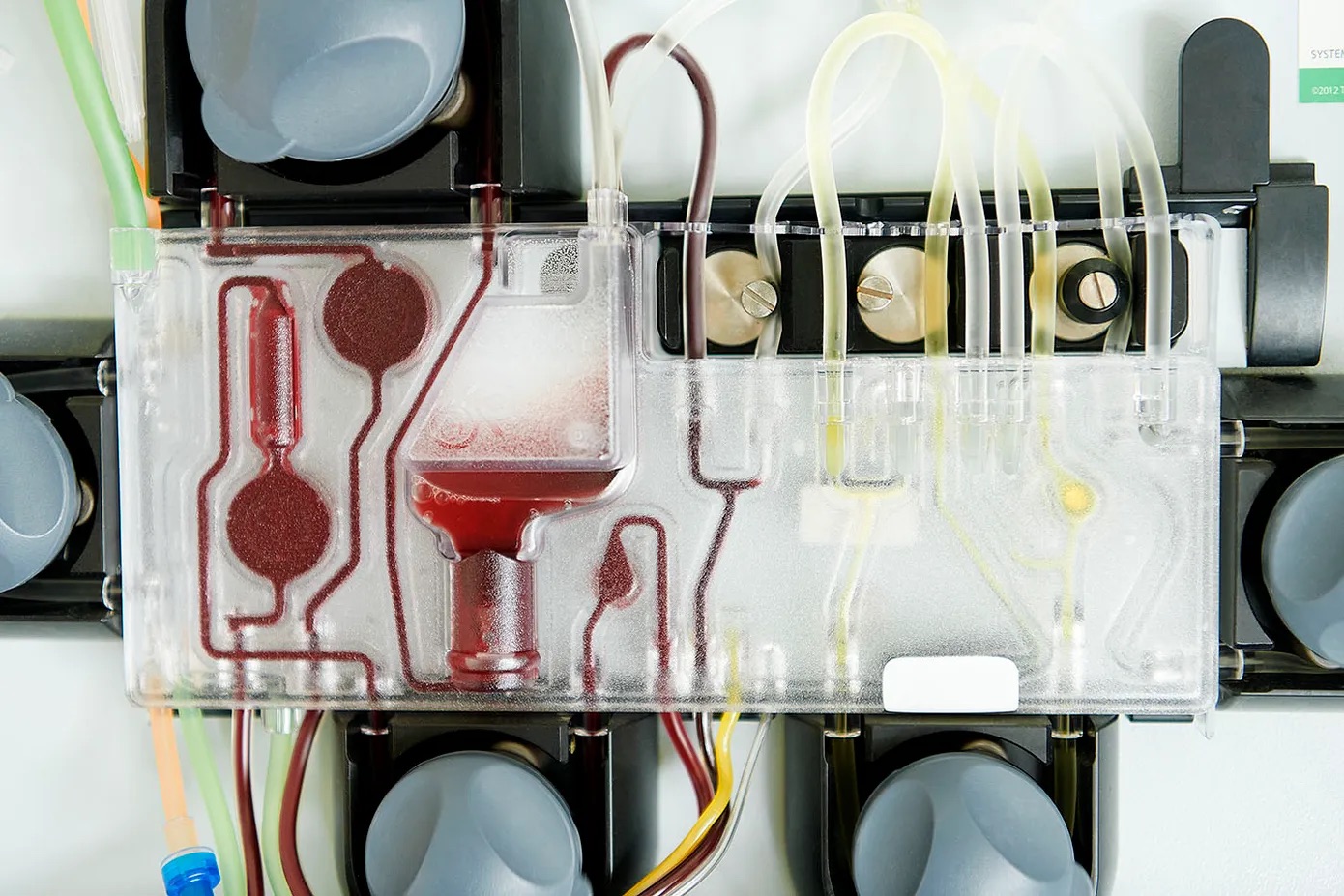
Therapeutic Plasma Exchange, or plasmapheresis, is a procedure that separates plasma from blood cells. The plasma, which carries antibodies, inflammatory cytokines, and toxins, is removed and replaced with a clean fluid like albumin.
Mechanisms of Action in Lyme Disease
TPE addresses several key drivers of chronic Lyme symptoms:
1. Removal of Immune Complexes and Autoantibodies
In chronic Lyme, the immune system often produces immune complexes (clusters of antibodies and antigens) that can deposit in tissues, causing inflammation and pain (e.g., Lyme arthritis). TPE efficiently filters these large complexes out of the blood. If autoimmunity has developed, TPE also removes the autoantibodies attacking the body's tissues.
2. Clearing Inflammatory Cytokines
The "cytokine storm" associated with Lyme disease—where the immune system releases massive amounts of inflammatory proteins—can cause severe symptoms. TPE physically removes these cytokines, rapidly reducing systemic inflammation and providing relief from pain and fatigue.
3. Detoxification of Biotoxins
As Borrelia and coinfections are killed, they release endotoxins and other waste products. These biotoxins can circulate in the blood, contributing to the "Herxheimer reaction" (a temporary worsening of symptoms). TPE acts as a massive detoxifier, clearing these circulating toxins and lightening the load on the liver and kidneys.
4. Improving Blood Rheology
Chronic inflammation can increase blood viscosity (thickness) and promote microclotting. By removing inflammatory proteins like fibrinogen, TPE improves blood flow and oxygen delivery to tissues, which is crucial for healing.
The Benefits for Chronic Lyme Patients
While TPE is not a cure for the infection itself (antibiotics or herbal antimicrobials are still needed), it creates a cleaner biological environment that supports the body's healing process.
- Reduced "Herx" Reactions: By removing toxins released during antibiotic treatment, TPE can make treatment more tolerable.
- Improved Cognitive Function: Clearing inflammatory mediators from the blood can lift "brain fog" and improve mental clarity.
- Pain Relief: Reduction in immune complexes and inflammation often leads to less joint and muscle pain.
- Enhanced Immune Function: By removing suppressive factors, TPE may help "reset" the immune system to better fight the remaining infection.
The Procedure: What to Expect
TPE is a safe and well-tolerated procedure when performed by experienced professionals.
Before the Procedure
- Hydration: Drink plenty of water in the days leading up to your appointment.
- Assessment: Your doctor will review your labs (CBC, metabolic panel) to ensure you are a candidate.
- Vein Assessment: Good venous access is required. Most patients use veins in their arms.
During the Procedure
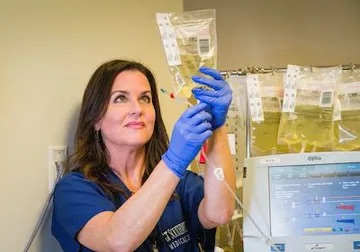
- Comfort: You will relax in a reclining chair for about 2-3 hours.
- Blood Draw: Blood is drawn from one arm, processed in the machine, and returned to the other.
- Sensation: You may feel a cooling sensation as the fluids are exchanged. Citrate (an anticoagulant) can cause tingling, which is easily managed with calcium.
After the Procedure
- Rest: Plan to rest for the remainder of the day.
- Hydration: Continue to drink fluids.
- Diet: Eat a light, nutritious meal.
Treatment Plan
A typical course for chronic Lyme might involve:
- Induction Phase: 1-2 treatments per week for 3-4 weeks.
- Maintenance Phase: Treatments every 2-4 weeks depending on symptoms and response.
Integrative Lyme Treatment
TPE is most effective when part of a comprehensive, integrative treatment plan.
- Antimicrobial Therapy: Targeted antibiotics or herbal protocols to treat the underlying infection.
- Detox Support: Supplements like glutathione, binders (activated charcoal, clay), and liver support (milk thistle) help the body process toxins released from tissues.
- Nutritional Support: An anti-inflammatory diet (no sugar, gluten, or dairy) is essential.
- Biofilm Busters: Enzymes to break down bacterial biofilms.
- Immune Support: Vitamin C, D, zinc, and other immune modulators.
Safety and Considerations
TPE is generally safe, but there are some considerations for Lyme patients:
- Herxheimer Reactions: While TPE helps reduce Herx reactions, the mobilization of toxins can sometimes trigger a temporary flare.
- Vein Health: Chronic illness can make veins fragile. Ultrasound guidance or a central line may be needed.
- Electrolyte Balance: Careful monitoring of electrolytes is standard during TPE.
Conclusion
Living with chronic Lyme disease can feel like an uphill battle against an invisible enemy. The constant inflammation and toxin overload can be overwhelming. Therapeutic Plasma Exchange offers a way to turn the tide. By physically clearing the blood of the "debris" of the disease—immune complexes, cytokines, and toxins—TPE provides a fresh start for your immune system and a pathway to reclaiming your health.
If you are struggling with persistent Lyme symptoms despite treatment, TPE may be the breakthrough you need. Consult with a Lyme-literate physician (LLMD) and an apheresis specialist to see if this therapy is right for you.
At VIP TPE, we are committed to helping Lyme patients find relief. Our team understands the complexities of chronic illness and provides compassionate, expert care to support your journey to wellness.
Frequently Asked Questions (FAQ)
Q: Does TPE remove the Lyme bacteria? A: TPE removes substances from the plasma, so it may remove some free-floating bacteria, but its primary benefit is removing toxins, antibodies, and inflammatory mediators. It does not replace antimicrobial treatment.
Q: Can TPE help with coinfections like Babesia or Bartonella? A: Yes, the mechanism is similar. TPE helps clear the inflammatory byproducts and immune complexes associated with these infections. For Babesia (a parasite that lives in red blood cells), red cell exchange (a different procedure) is sometimes used, but TPE helps with the systemic inflammation.
Q: Is TPE covered by insurance for Lyme disease? A: Insurance coverage for chronic Lyme is challenging. TPE is often considered investigational for this indication. We offer financial counseling to help you understand the costs.
Q: How soon will I feel better? A: Many patients report feeling "lighter" or clearer within 24-48 hours after the first or second session. However, long-term improvement often requires a series of treatments.
Q: Can I do TPE while on antibiotics? A: Yes, TPE can be done concurrently with antibiotic therapy. In fact, it may help manage the die-off reactions associated with potent antibiotics.