Memory Loss or Alzheimer’s? When to Seek Medical Help

Memory Loss or Alzheimer’s? When to Seek Medical Help
We've all had those moments: walking into a room and forgetting why, misplacing keys, or struggling to recall a name. As we age, these "senior moments" become more frequent, often sparking a quiet fear: Is this normal aging, or is it Alzheimer's?
Distinguishing between benign age-related memory changes and the early signs of dementia is crucial. Early detection of Alzheimer's allows for treatments that can slow progression, while ruling it out can provide immense peace of mind.
In this guide, we break down the key differences and provide a checklist of warning signs that warrant a medical evaluation.
Normal Aging vs. Alzheimer’s: The Key Differences
The brain changes like any other part of the body. Processing speed slows down, and multitasking becomes harder. However, normal aging does not interfere with your ability to function independently.
1. Memory Lapses
- Normal Aging: Forgetting an appointment but remembering it later. Forgetting names of acquaintances but recalling them with context.
- Alzheimer’s: Forgetting recently learned information (like a conversation from 5 minutes ago) and never recalling it. Asking the same question repeatedly.
2. Problem Solving
- Normal Aging: Making an occasional error when balancing a checkbook.
- Alzheimer’s: Losing the ability to follow a plan or work with numbers entirely. For example, a lifelong baker suddenly unable to follow a familiar recipe or keep track of monthly bills.
3. Time and Place
- Normal Aging: Getting confused about the day of the week but figuring it out later.
- Alzheimer’s: Losing track of dates, seasons, and the passage of time. Forgetting where they are or how they got there.
4. Visual-Spatial Issues
- Normal Aging: Vision changes due to cataracts.
- Alzheimer’s: Difficulty reading, judging distance, or determining color or contrast. This often manifests as trouble driving (e.g., hitting curbs, getting lost on familiar routes).
5. Word Finding
- Normal Aging: Having a word "on the tip of the tongue."
- Alzheimer’s: Stopping in the middle of a conversation and having no idea how to continue. Calling things by the wrong name (e.g., calling a "watch" a "hand-clock").
The 10 Warning Signs (Alzheimer’s Association Checklist)
If you or a loved one experience any of these, it’s time to see a doctor:
- Disruptive memory loss: Forgetting recently learned information.
- Challenges in planning or solving problems: Difficulty following a recipe or keeping track of bills.
- Difficulty completing familiar tasks: Trouble driving to a familiar location or organizing a grocery list.
- Confusion with time or place: Losing track of dates, seasons, and the passage of time.
- Trouble understanding visual images and spatial relationships: Difficulty reading, judging distance, and determining color or contrast.
- New problems with words in speaking or writing: Trouble following or joining a conversation.
- Misplacing things and losing the ability to retrace steps: Putting things in unusual places and being unable to go back over their steps to find them again.
- Decreased or poor judgment: Changes in judgment or decision-making.
- Withdrawal from work or social activities: Avoiding social situations or hobbies.
- Changes in mood and personality: Becoming confused, suspicious, depressed, fearful, or anxious.
When to See a Doctor
If you notice these signs, do not wait. Many conditions mimic dementia but are reversible, such as:
- Vitamin Deficiencies: B12 deficiency can cause memory loss.
- Thyroid Problems: Hypothyroidism can cause brain fog.
- Medication Side Effects: Interactions between drugs can cause confusion.
- Depression: "Pseudodementia" is when severe depression mimics cognitive decline.
- Infections: Urinary Tract Infections (UTIs) in the elderly often present as sudden confusion (delirium), not pain.
The Diagnostic Process: A doctor will typically perform:
- Physical Exam: To rule out other conditions.
- Cognitive Tests: Like the MMSE or MoCA (drawing a clock, recalling words).
- Blood Work: To check for thyroid, vitamin levels, and inflammation.
- Brain Imaging: MRI or CT scans to look for strokes or tumors.
- Biomarker Testing: New blood tests (p-Tau 217) or PET scans can now detect Alzheimer's pathology (amyloid plaques) with high accuracy.
Conclusion
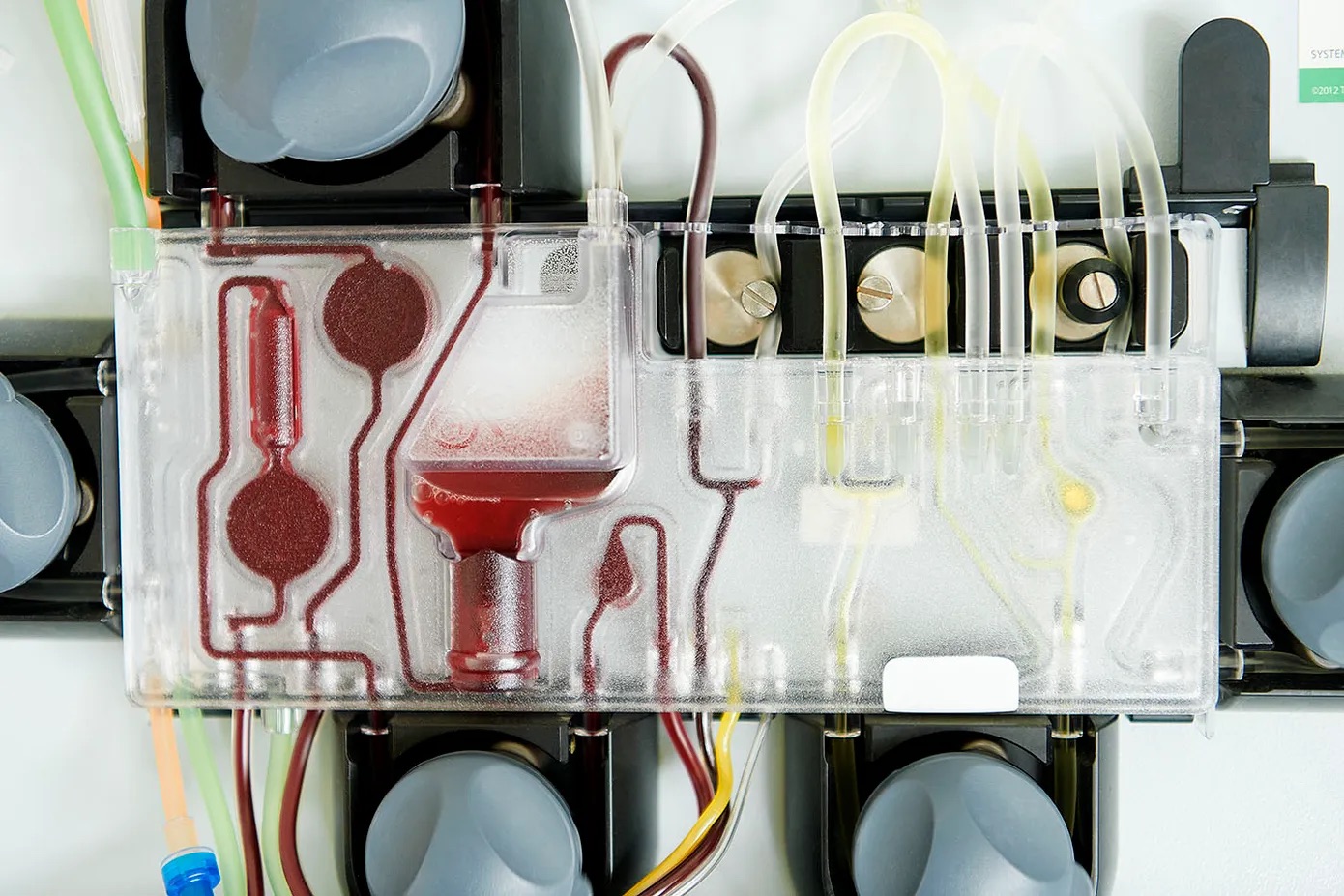
Memory loss is not always Alzheimer's, but it is always worth investigating. If it is Alzheimer's, early diagnosis opens the door to new treatments like Leqembi or Therapeutic Plasma Exchange that work best in the early stages. If it's not, you can treat the underlying cause and get your life back. Don't let fear keep you in the dark.