Metabolic Syndrome and Plasma Exchange: Improving Markers of Health

Metabolic Syndrome and Plasma Exchange: Improving Markers of Health
Metabolic syndrome is not a single disease, but a cluster of conditions that occur together, increasing your risk of heart disease, stroke, and type 2 diabetes. These conditions include increased blood pressure, high blood sugar, excess body fat around the waist, and abnormal cholesterol or triglyceride levels. With over a third of U.S. adults affected, metabolic syndrome has become a major public health crisis.
While lifestyle changes like diet and exercise are the first line of defense, many patients struggle to achieve significant improvements in their metabolic markers. For those with severe or resistant cases, Therapeutic Plasma Exchange (TPE) is emerging as a novel and powerful intervention. By physically removing lipids (fats) and inflammatory molecules from the blood, TPE can rapidly improve the metabolic profile and reduce cardiovascular risk.
In this comprehensive article, we will explore the components of metabolic syndrome, the role of inflammation and lipids, and how TPE can be a game-changer for metabolic health.
The Components of Metabolic Syndrome
A diagnosis of metabolic syndrome is made if you have three or more of the following five risk factors:
- Large Waist Circumference: Abdominal obesity ("apple shape").
- High Triglycerides: A type of fat found in the blood (≥150 mg/dL).
- Low HDL Cholesterol: "Good" cholesterol is too low (<40 mg/dL for men, <50 mg/dL for women).
- High Blood Pressure: ≥130/85 mmHg.
- High Fasting Blood Sugar: ≥100 mg/dL (prediabetes or diabetes).
The Underlying Drivers: Insulin Resistance and Inflammation
Two key mechanisms drive metabolic syndrome:
- Insulin Resistance: The body's cells don't respond properly to insulin, leading to high blood sugar and increased fat storage.
- Chronic Inflammation: Excess fat tissue, especially visceral fat (around organs), releases inflammatory cytokines (like IL-6 and TNF-alpha) into the bloodstream. This chronic inflammation damages blood vessels and worsens insulin resistance, creating a vicious cycle.
How Therapeutic Plasma Exchange Improves Metabolic Health
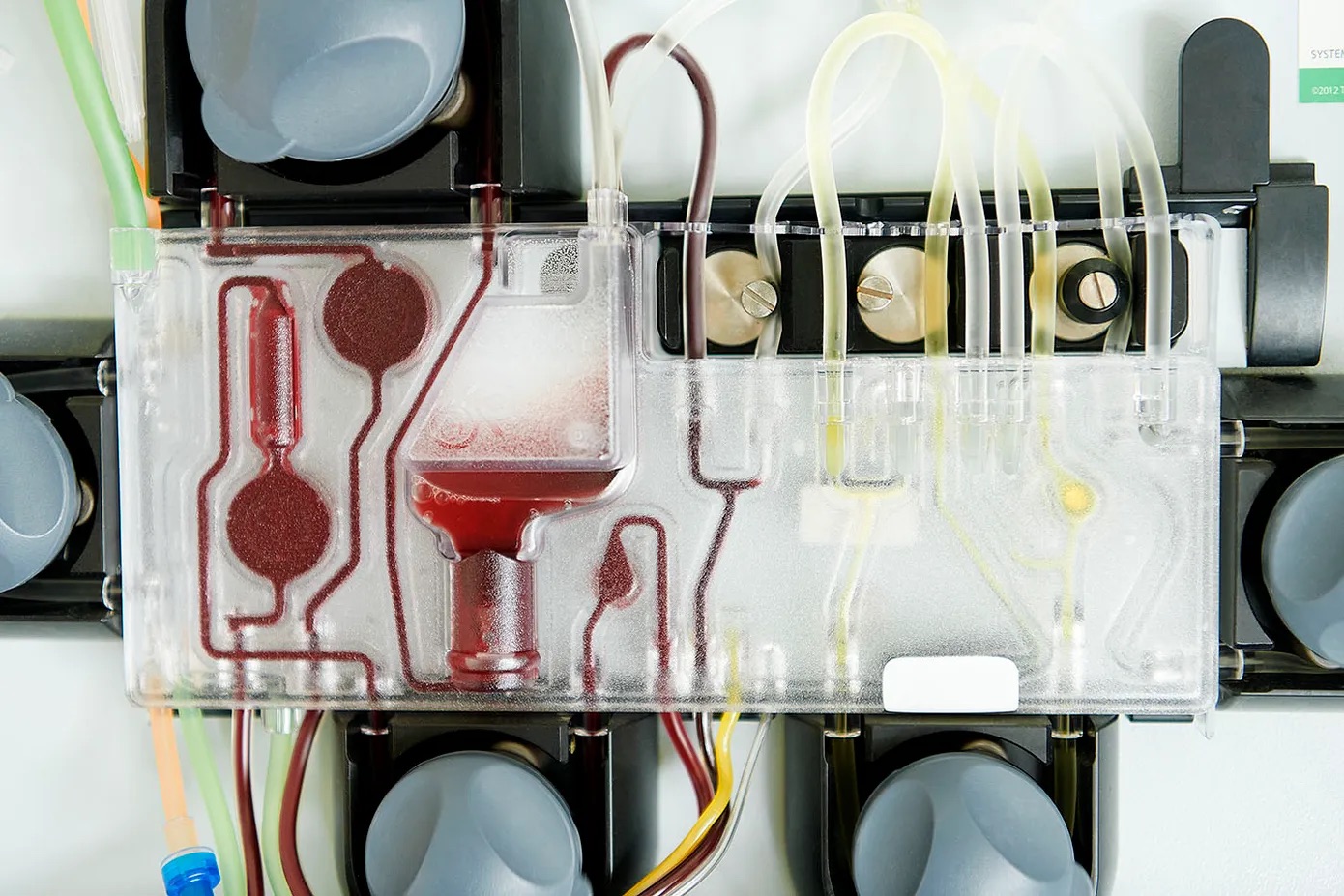
TPE, or plasmapheresis, is a procedure where plasma is separated from blood cells and replaced with a clean fluid (usually albumin). This process has direct and immediate effects on metabolic markers.
1. Rapid Reduction of Triglycerides and LDL
TPE is highly effective at physically removing lipids from the blood. For patients with severe hypertriglyceridemia (triglycerides >500 mg/dL) who are at risk of pancreatitis, TPE is an established emergency treatment. It can lower triglyceride levels by 50-80% in a single session. Similarly, it removes LDL ("bad") cholesterol, including the dangerous oxidized LDL that contributes to plaque formation.
2. Clearing Inflammatory Cytokines
As mentioned, metabolic syndrome is an inflammatory state. TPE removes the circulating pro-inflammatory cytokines released by visceral fat. By lowering systemic inflammation, TPE can improve insulin sensitivity and reduce the risk of cardiovascular events.
3. Improving Blood Rheology (Viscosity)
High levels of triglycerides, fibrinogen, and other proteins make the blood thick and sludge-like (hyperviscosity). This impairs blood flow to small vessels (microcirculation) and increases the risk of clots. TPE removes these large molecules, thinning the blood and improving oxygen delivery to tissues.
4. Removing Advanced Glycation End Products (AGEs)
High blood sugar leads to the formation of AGEs—proteins or lipids that become glycated (sugar-coated). AGEs damage blood vessels and contribute to aging and complications of diabetes. TPE can filter out these harmful compounds.
5. Enhancing Endothelial Function
The endothelium (lining of blood vessels) is often damaged in metabolic syndrome. By removing toxic lipids and inflammatory mediators, TPE helps restore endothelial health, improving blood pressure regulation and reducing the risk of atherosclerosis.
Clinical Applications and Research
While lifestyle modification remains the cornerstone, TPE has shown promise in specific metabolic scenarios:
- Severe Hypertriglyceridemia: TPE is a standard, life-saving therapy for acute pancreatitis caused by extremely high triglycerides.
- Familial Hypercholesterolemia (FH): For patients with genetic high cholesterol who don't respond to statins, LDL Apheresis (a specific type of plasma exchange) is an FDA-approved treatment to remove LDL.
- Refractory Hypertension: Some studies suggest that TPE can lower blood pressure in resistant cases by improving blood viscosity and endothelial function.
- Diabetic Complications: TPE has been used to treat complications like diabetic neuropathy and retinopathy by improving microcirculation.
The Procedure: What to Expect
For patients considering TPE for metabolic health, the process is straightforward.
Preparation
- Fasting: You may be asked to fast for 8-12 hours before the procedure, especially if lipid removal is the goal.
- Medication Review: Your doctor will review your medications (e.g., blood thinners, insulin) and adjust as needed.
During the Procedure
- Access: Two IV lines are placed in the arms.
- Lipid Removal: The apheresis machine separates the plasma. In the case of severe hyperlipidemia, the waste plasma often appears milky white due to the high fat content.
- Replacement: The plasma is replaced with albumin or a combination of fluids.
- Duration: 2-3 hours.
After the Procedure
- Immediate Results: Lipid levels drop dramatically immediately after the session.
- Monitoring: Blood pressure and glucose are monitored.
- Diet: A low-fat meal is recommended post-procedure.
Frequency
- Acute Crisis: 1-3 sessions may be needed.
- Chronic Management: For FH or severe metabolic syndrome, maintenance sessions every 2-4 weeks may be required.
Integrating TPE with Lifestyle Changes
TPE provides a "reset," but maintaining the benefits requires a commitment to lifestyle changes.
- Diet:
- Low Carbohydrate/Ketogenic: Can be very effective for lowering triglycerides and improving insulin sensitivity.
- Mediterranean: High in healthy fats (olive oil, nuts) and fiber.
- Avoid: Trans fats, high-fructose corn syrup, and processed foods.
- Exercise: A combination of aerobic exercise (walking, swimming) and resistance training (weights) improves insulin sensitivity and burns visceral fat.
- Weight Loss: Losing even 5-10% of body weight can significantly improve metabolic markers.
- Medication: TPE is an adjunct to, not a replacement for, medications like statins, fibrates, or metformin.
Conclusion
Metabolic syndrome is a ticking time bomb for cardiovascular health. For those who have hit a wall with standard treatments, Therapeutic Plasma Exchange offers a powerful new tool. By rapidly clearing the blood of dangerous lipids, inflammatory cytokines, and toxins, TPE can dramatically improve your metabolic profile and reduce your risk of heart attack and stroke.
If you are struggling with severe high cholesterol, triglycerides, or resistant metabolic syndrome, consult with a lipid specialist and apheresis expert.
At VIP TPE, we are dedicated to helping you achieve optimal metabolic health. Our advanced therapies, combined with comprehensive lifestyle support, can help you turn the tide on metabolic syndrome.
Frequently Asked Questions (FAQ)
Q: Is TPE a weight loss procedure? A: No, TPE is not for weight loss. It removes lipids from the blood, not from fat cells. However, by improving metabolic health and energy levels, it can make weight loss easier through diet and exercise.
Q: Will my cholesterol go back up after TPE? A: Yes, without lifestyle changes or medication, the liver will produce more cholesterol. TPE lowers levels temporarily (for days to weeks), providing a window of opportunity for other treatments to work better.
Q: Is TPE safe for diabetics? A: Yes, TPE is safe for diabetics and can even help with complications. We closely monitor blood sugar levels during the procedure.
Q: Does insurance cover TPE for metabolic syndrome? A: Coverage is typically limited to specific diagnoses like Familial Hypercholesterolemia (FH) or acute pancreatitis. For general metabolic syndrome, it may be an out-of-pocket expense.
Q: How does TPE compare to statins? A: Statins work by reducing the production of cholesterol in the liver. TPE works by removing cholesterol that is already in the blood. They work well together.