Overcoming Chronic Fatigue Syndrome (ME/CFS) with Plasma Exchange
Overcoming Chronic Fatigue Syndrome (ME/CFS) with Plasma Exchange
Myalgic Encephalomyelitis/Chronic Fatigue Syndrome (ME/CFS) is a complex, chronic, and debilitating disease that affects multiple body systems. It is characterized by overwhelming fatigue that is not improved by rest and is worsened by physical or mental activity. For decades, patients with ME/CFS have struggled not only with their symptoms but also with a lack of understanding and effective treatments from the medical community.
However, recent research has begun to unravel the biological underpinnings of ME/CFS, pointing towards immune system dysfunction, inflammation, and potential autoimmune mechanisms. This has led to the exploration of Therapeutic Plasma Exchange (TPE) as a potential treatment option. By removing harmful substances from the blood, TPE may help reset the immune system and alleviate the profound fatigue and other symptoms associated with ME/CFS.
In this article, we will examine the connection between ME/CFS and the immune system, how TPE works, and the potential benefits for those suffering from this challenging condition.
Understanding ME/CFS: More Than Just "Tired"
ME/CFS is often misunderstood as simply being "tired all the time." In reality, it is a serious physiological illness with a wide range of symptoms that can severely impact a person's ability to function.
Key Symptoms of ME/CFS
- Post-Exertional Malaise (PEM): This is the hallmark symptom of ME/CFS. It is a worsening of symptoms after even minor physical or mental exertion, which can last for days or weeks.
- Unrefreshing Sleep: Patients often wake up feeling as tired as when they went to bed.
- Cognitive Impairment: Often called "brain fog," this includes difficulties with memory, concentration, and processing information.
- Orthostatic Intolerance: Symptoms worsen when standing upright and improve when lying down. This can include dizziness, lightheadedness, and rapid heart rate (POTS).
- Pain: Muscle pain, joint pain, and headaches are common.
- Immune System Abnormalities: Recurrent sore throats, swollen lymph nodes, and flu-like symptoms.
The Biological Basis: Autoimmunity and Inflammation
While the exact cause of ME/CFS is unknown, there is growing evidence that it involves a dysregulated immune system.
- Autoantibodies: Studies have found elevated levels of autoantibodies against neurotransmitter receptors (like adrenergic and muscarinic receptors) in a subset of ME/CFS patients. These receptors control blood flow and heart rate, potentially explaining symptoms like POTS and cognitive issues.
- Chronic Inflammation: Many patients show signs of chronic, low-grade inflammation, with elevated levels of cytokines (immune signaling molecules).
- Viral Triggers: ME/CFS often begins after a viral infection (like Epstein-Barr virus or, more recently, COVID-19). This suggests that the infection may trigger an ongoing immune response or autoimmunity.
- Mitochondrial Dysfunction: There is evidence that the cells of ME/CFS patients are not producing energy efficiently, contributing to the severe fatigue.
How Therapeutic Plasma Exchange Can Help
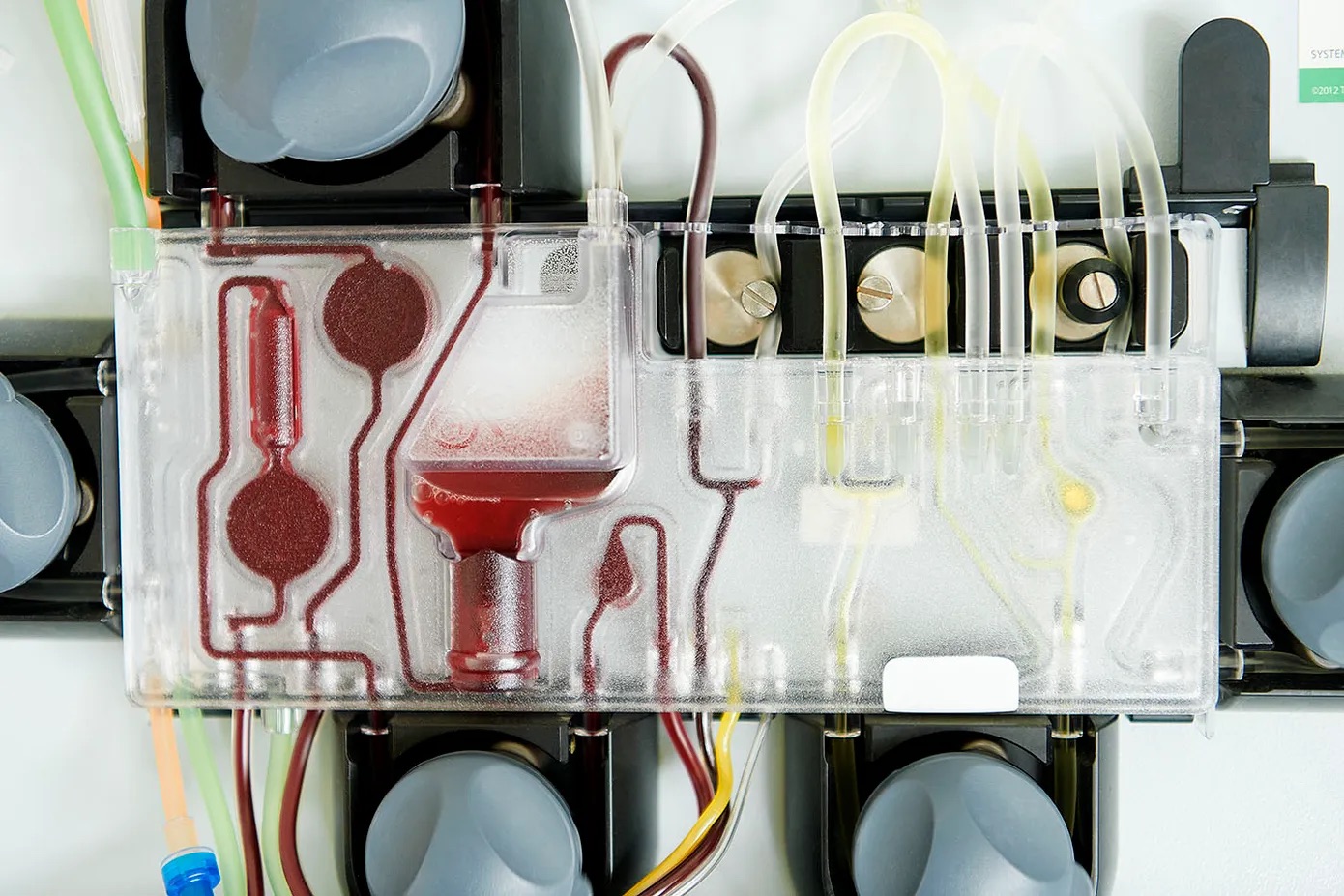
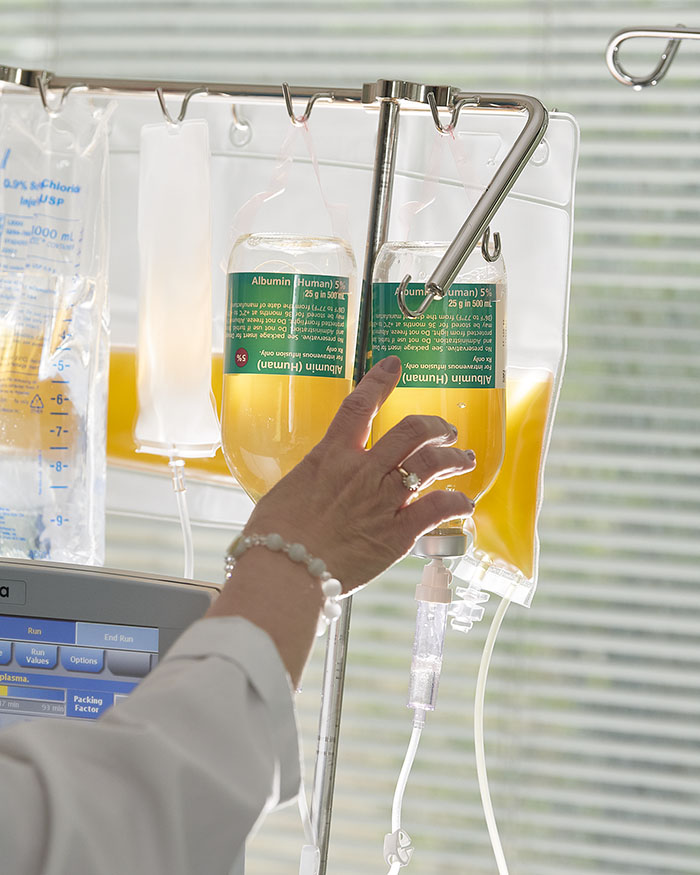
Given the likely role of autoantibodies and inflammation in ME/CFS, TPE offers a logical treatment approach. TPE is a procedure that separates the plasma (the liquid part of the blood) from the blood cells. The plasma, which contains antibodies and inflammatory molecules, is removed and replaced with a substitution fluid like albumin.
Mechanisms of Action in ME/CFS
Here is how TPE may specifically benefit patients with ME/CFS:
1. Removal of Autoantibodies
If autoantibodies are attacking receptors involved in blood flow regulation and energy metabolism, removing them can restore normal function. TPE is highly effective at clearing large molecules like antibodies from the circulation. By lowering the levels of these pathogenic antibodies, TPE may improve symptoms of orthostatic intolerance (POTS) and fatigue.
2. Reduction of Inflammatory Cytokines
Chronic inflammation can contribute to the "sickness behavior" seen in ME/CFS, including fatigue, pain, and cognitive dysfunction. TPE can physically remove these inflammatory cytokines, helping to calm the immune system and reduce symptom severity.
3. Improvement in Blood Rheology (Flow)
Some researchers have proposed that ME/CFS patients may have "sticky" blood or microclots that impair blood flow to tissues. TPE can improve blood viscosity (thickness) and potentially remove factors that promote clotting, thereby enhancing oxygen delivery to muscles and the brain. This could help alleviate PEM and brain fog.
4. "Resetting" the Immune System
By removing immune complexes and other regulatory factors, TPE may help "reset" the immune system, shifting it away from a chronic inflammatory state.
Clinical Evidence and Patient Experiences
While large-scale clinical trials of TPE for ME/CFS are still needed, there are promising smaller studies and case reports.
- POTS and Autoantibodies: A study published in the Journal of the American Heart Association found that TPE significantly improved symptoms in patients with POTS (a common comorbidity in ME/CFS) who had autoantibodies.
- ME/CFS Case Series: Several clinics specializing in ME/CFS have reported positive outcomes with TPE, particularly in patients who have identifiable autoantibodies or markers of inflammation. Patients have reported improvements in energy, cognitive function, and pain.
It is important to note that TPE is not a cure for everyone. It appears to be most effective in a subset of patients, likely those with a strong autoimmune component to their illness.
The TPE Process for ME/CFS Patients
For patients with ME/CFS, the prospect of a medical procedure can be daunting due to the risk of PEM. However, TPE is generally well-tolerated when managed carefully.
Preparation
- Hydration: Drinking plenty of fluids before the procedure helps ensure good blood flow and reduces the risk of blood pressure drops.
- Rest: Plan for a quiet day before and after the treatment.
- Support: Having a friend or family member drive you is essential.
The Procedure
- Comfort: You will be in a reclining chair or bed. The environment should be calm and quiet to minimize sensory overload.
- Access: Venous access is established, usually in the arms. If veins are fragile (common in chronic illness), ultrasound guidance may be used.
- Duration: The exchange takes about 2-3 hours.
- Fluids: Saline may be given to maintain blood volume and prevent orthostatic symptoms.
Recovery
- Post-Treatment Fatigue: It is normal to feel tired immediately after the procedure. This is not necessarily PEM but rather the body adjusting to the fluid shift.
- Pacing: It is crucial to rest aggressively for the first 24-48 hours. Do not push through the fatigue.
- Hydration and Electrolytes: Continue to hydrate and replenish electrolytes.
Treatment Protocol
A typical protocol might involve a series of 5-7 treatments over a few weeks to "wash out" the autoantibodies, followed by a taper or maintenance schedule depending on the patient's response.
Integrative Approaches
TPE should be viewed as one tool in a broader toolkit for managing ME/CFS.
- Pacing: Learning to manage energy limits (the "energy envelope") is essential to prevent PEM.
- Diet: An anti-inflammatory diet (gluten-free, dairy-free, low sugar) can help reduce systemic inflammation.
- Supplements: Mitochondrial support (CoQ10, D-ribose, NADH) and immune modulators may be helpful.
- Infection Control: Addressing any underlying viral or bacterial infections is important.
Conclusion
Chronic Fatigue Syndrome is a devastating illness that robs people of their lives. For those who have found little relief with standard management strategies, Therapeutic Plasma Exchange offers a beacon of hope. By targeting the potential autoimmune and inflammatory drivers of the disease, TPE has the potential to significantly improve quality of life.
If you are suffering from ME/CFS, particularly if you have symptoms of POTS or known autoantibodies, TPE may be a viable option. Consult with a specialist who is knowledgeable about ME/CFS and apheresis to discuss whether you are a candidate.
At VIP TPE, we understand the unique challenges faced by ME/CFS patients. Our compassionate team is dedicated to providing safe, effective, and personalized care to help you reclaim your energy and your life.
Frequently Asked Questions (FAQ)
Q: Is TPE safe for ME/CFS patients? A: generally, yes. The main risks are temporary fatigue and blood pressure changes, which are carefully monitored. We take extra precautions to minimize the risk of PEM.
Q: How do I know if I have autoantibodies? A: Specialized blood tests (such as the CellTrend panel) can detect autoantibodies against GPCRs. However, TPE may be tried even in the absence of positive tests if the clinical picture strongly suggests autoimmunity.
Q: Will insurance cover TPE for ME/CFS? A: Coverage is variable and often difficult to obtain as TPE is considered investigational for ME/CFS. Our team can help navigate the insurance process or discuss self-pay options.
Q: How many treatments will I need? A: A typical initial course is 5-7 treatments. Some patients may need ongoing maintenance treatments to sustain the benefits.
Q: Can TPE make me worse? A: While rare, the procedure can trigger a temporary flare of symptoms or PEM. This usually resolves with rest.