Post-Viral Syndrome Treatment: The Potential of Therapeutic Plasma Exchange
Post-Viral Syndrome Treatment: The Potential of Therapeutic Plasma Exchange
For most people, a viral infection like the flu, Epstein-Barr (mono), or COVID-19 is a temporary inconvenience. You feel sick for a week or two, rest up, and bounce back. But for a significant number of individuals, the virus leaves a lasting imprint. Months or even years later, they are still struggling with profound fatigue, cognitive impairment, muscle pain, and a host of other debilitating symptoms. This condition is known as Post-Viral Syndrome (PVS).
While PVS has been recognized for decades (often overlapping with ME/CFS), the sheer scale of the COVID-19 pandemic has brought it into the spotlight. Millions are now navigating the murky waters of Long COVID, searching for answers. Standard medical tests often come back "normal," leaving patients feeling unheard and hopeless.
Therapeutic Plasma Exchange (TPE) is emerging as a beacon of hope for PVS. By targeting the underlying immune dysregulation and inflammation that perpetuate these syndromes, TPE offers a tangible path to recovery. In this article, we will explore the mechanisms of PVS and how TPE can help reset the body.
Understanding Post-Viral Syndrome
PVS is not a single disease but a constellation of symptoms that persist after the acute phase of a viral infection has resolved.
Common Culprits
- Epstein-Barr Virus (EBV): The virus that causes mononucleosis is a well-known trigger for chronic fatigue.
- SARS-CoV-2: The virus behind COVID-19 and Long COVID.
- Cytomegalovirus (CMV): A common herpesvirus.
- Human Herpesvirus 6 (HHV-6): Associated with roseola and chronic fatigue.
- Enteroviruses: A group of viruses that can cause mild to severe illness.
The Mystery of Persistence
Why do some people recover while others develop PVS? Several theories exist:
- Viral Reservoirs: Small amounts of the virus or viral proteins may remain hidden in tissues (like the gut or nervous system), continuing to stimulate the immune system.
- Autoimmunity: The virus may trigger the production of autoantibodies that attack the body's own tissues (molecular mimicry).
- Chronic Inflammation: The immune system gets stuck in a "high alert" mode, releasing inflammatory cytokines that cause fatigue and pain.
- Mitochondrial Dysfunction: The virus may damage the mitochondria (energy factories of cells), leading to profound exhaustion.
- Reactivation of Dormant Viruses: The stress of a new infection can "wake up" old viruses like EBV or Herpes Zoster (shingles).
How Therapeutic Plasma Exchange Can Help
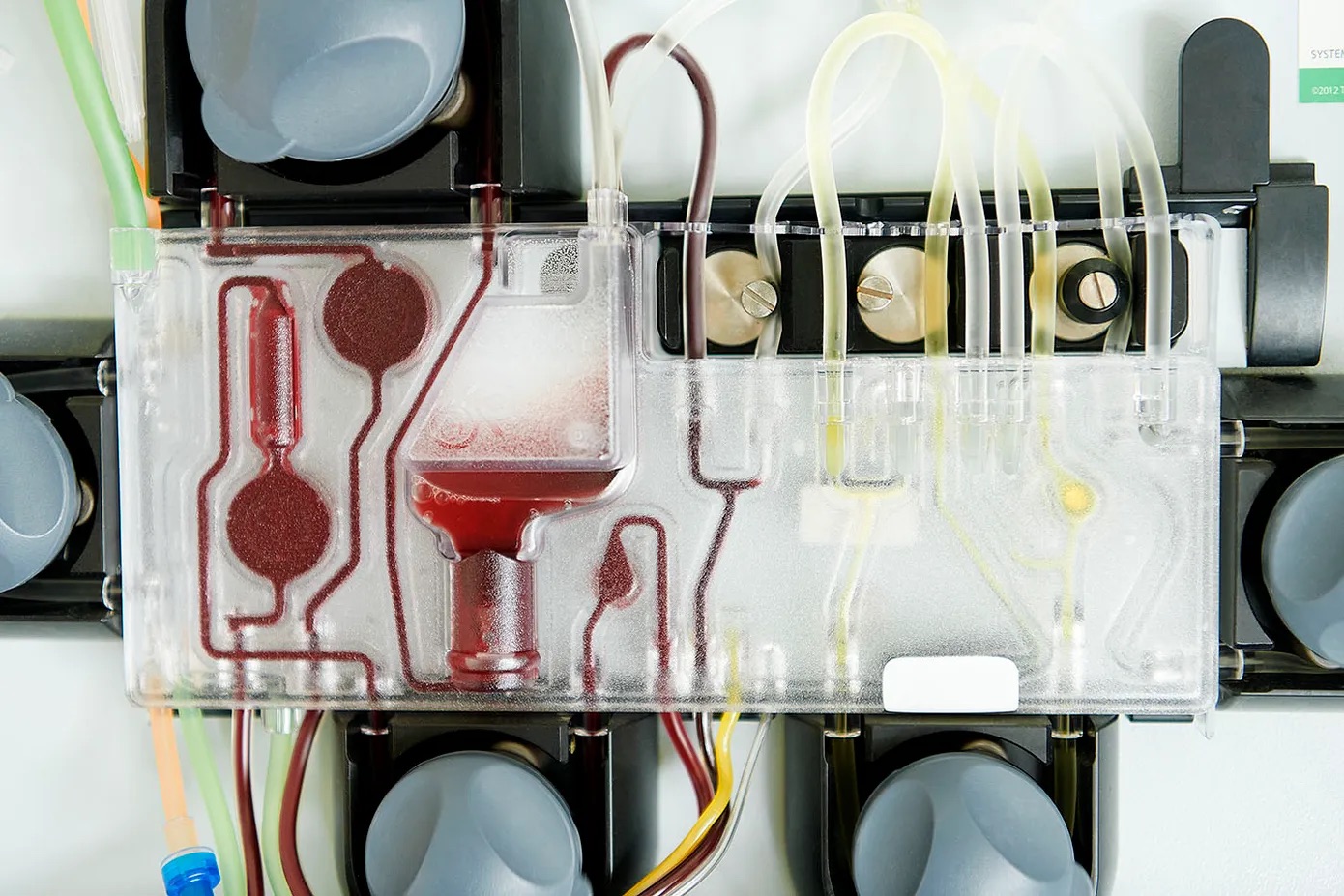
TPE, or plasmapheresis, is a procedure that cleans the blood. It separates the plasma (liquid) from the blood cells, removing the inflammatory soup and replacing it with clean fluid (albumin).
1. Removing Autoantibodies
In many PVS cases, the immune system has turned against the body. Autoantibodies targeting G-protein coupled receptors (GPCRs) have been found in Long COVID and ME/CFS patients. These autoantibodies disrupt the autonomic nervous system, leading to POTS (rapid heart rate), dizziness, and fatigue. TPE is highly effective at filtering out these large antibodies, potentially restoring normal autonomic function.
2. Clearing Inflammatory Cytokines
Chronic inflammation is a hallmark of PVS. Elevated levels of cytokines like IL-6 and TNF-alpha keep the body in a state of sickness. TPE physically removes these cytokines from circulation. By lowering the inflammatory load, TPE can reduce symptoms like brain fog, joint pain, and malaise.
3. Improving Microcirculation
Recent research suggests that microclots (tiny, resistant clots) may be present in the blood of Long COVID patients, blocking oxygen delivery to tissues. TPE removes fibrinogen (a clotting protein) and improves blood viscosity. This helps clear the microcirculation, allowing oxygen-rich blood to reach muscles and the brain.
4. Resetting the Immune System
By removing immune complexes (clumps of antibodies and antigens) and other regulatory factors, TPE may help "reboot" the immune system. This can shift the balance from a chronic, dysregulated state to a more normalized, healthy response.
5. Detoxification
Viral infections can increase oxidative stress and the production of metabolic waste products. TPE, especially with albumin replacement (a potent antioxidant), helps detoxify the blood and support liver and kidney function.
Clinical Evidence and Experience
While large randomized trials for PVS specifically are still underway, clinical experience and smaller studies are promising.
- Long COVID: Early reports from clinics using TPE for Long COVID show significant improvements in fatigue, cognitive function, and POTS symptoms in a subset of patients.
- ME/CFS: Since many ME/CFS cases are post-viral, the success of TPE in this population (particularly those with autoantibodies) supports its use in PVS.
- Guillain-Barré Syndrome (GBS): This classic post-viral autoimmune condition is standardly treated with TPE, proving the principle that removing antibodies works.
The Procedure: A Patient's Guide
For those considering TPE for PVS, the process is generally safe and straightforward.
Preparation
- Evaluation: A detailed history and lab work (including viral panels and autoimmune markers) help determine if TPE is appropriate.
- Hydration: Drink plenty of fluids before the procedure.
During the Procedure
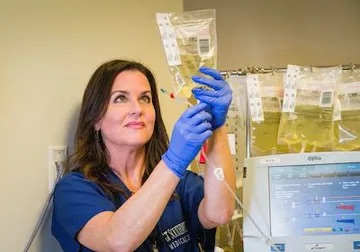
- Comfort: You will relax in a chair for 2-3 hours.
- Access: Two IV lines are typically used.
- Sensation: Most patients feel comfortable, though some may experience mild tingling (from citrate) or fatigue.
After the Procedure
- Rest: Plan to rest for the rest of the day. PVS patients are prone to post-exertional malaise, so pacing is key.
- Hydration: Continue to hydrate.
- Effect: Improvements are often cumulative, with patients feeling better after a series of treatments.
Protocol
A typical course might involve:
- Induction: 5-7 treatments over 2-3 weeks.
- Maintenance: Tapering down to once a month or as needed based on symptom recurrence.
Integrative Support for PVS
TPE is a powerful tool, but it works best as part of a holistic approach.
- Antivirals: If active viral replication is suspected (e.g., high viral loads), antiviral medications or herbs may be needed.
- Mitochondrial Support: Supplements like CoQ10, NADH, and D-Ribose can help boost energy production.
- Immune Modulation: Low Dose Naltrexone (LDN) is often used to regulate the immune system.
- Diet: An anti-inflammatory, nutrient-dense diet is essential for recovery.
- Pacing: Learning to manage energy expenditure to avoid crashes is crucial.
Conclusion
Post-Viral Syndrome can feel like a life sentence, but it doesn't have to be. Therapeutic Plasma Exchange offers a scientifically sound, mechanism-based treatment to address the root causes of the condition—autoimmunity, inflammation, and microclotting. By cleaning the blood and resetting the immune system, TPE provides a real opportunity for healing.
If you are struggling to recover from a viral infection, don't lose hope. Consult with a specialist who understands PVS and apheresis to see if TPE could be your turning point.
At VIP TPE, we are dedicated to helping patients with complex chronic illnesses reclaim their lives. Our experienced team will work with you to develop a personalized treatment plan that addresses your unique needs.
Frequently Asked Questions (FAQ)
Q: Is TPE FDA-approved for Post-Viral Syndrome? A: TPE is FDA-approved for conditions like GBS and CIDP (often post-viral). Its use for general PVS or Long COVID is currently considered "off-label" or investigational.
Q: How do I know if I have viral persistence? A: Specialized tests can look for viral DNA or RNA in blood or tissues, but they are not always definitive. Clinical symptoms and response to treatment often guide the diagnosis.
Q: Will TPE weaken my immune system? A: TPE removes immunoglobulins (antibodies) temporarily. However, the body rapidly replenishes them. We monitor immunoglobulin levels to ensure safety.
Q: Can I do TPE if I am vaccinated? A: Yes, vaccination status does not contraindicate TPE.
Q: Is TPE covered by insurance for PVS? A: Insurance coverage is variable and often challenging for PVS. We offer financial counseling and flexible payment options.