Reducing Chronic Inflammation: The Role of Therapeutic Plasma Exchange
Reducing Chronic Inflammation: The Role of Therapeutic Plasma Exchange
Inflammation is a double-edged sword. In the short term, it is the body's vital response to injury and infection, a necessary process for healing. However, when inflammation becomes chronic—persisting for months or years—it transforms from a protector into a silent destroyer. Chronic inflammation is now recognized as the underlying driver of nearly every major modern disease, including heart disease, cancer, diabetes, Alzheimer's, and autoimmune disorders.
For many patients suffering from chronic inflammatory conditions, standard treatments like anti-inflammatory drugs (NSAIDs) and steroids offer only partial relief and come with significant side effects. Therapeutic Plasma Exchange (TPE) represents a paradigm shift in managing inflammation. By physically removing inflammatory mediators from the blood, TPE offers a rapid and powerful way to "cool down" the system and halt the progression of disease.
In this in-depth article, we will explore the science of chronic inflammation, how TPE works to combat it, and the potential benefits for patients seeking to reclaim their health.
The Silent Killer: Understanding Chronic Inflammation
Acute inflammation is obvious: redness, swelling, heat, and pain. It resolves once the threat is neutralized. Chronic inflammation, on the other hand, is often invisible. It simmers below the surface, damaging tissues and organs over time.
Causes of Chronic Inflammation
- Autoimmune Disorders: Conditions like rheumatoid arthritis and lupus where the immune system attacks healthy tissue.
- Persistent Infections: Chronic viral (e.g., Epstein-Barr, HIV), bacterial (e.g., Lyme disease), or fungal infections.
- Environmental Toxins: Exposure to pollutants, heavy metals, and mold.
- Lifestyle Factors: Poor diet (high sugar, processed foods), stress, lack of sleep, and obesity.
- Aging: "Inflammaging"—the natural increase in inflammatory markers as we age.
The Mechanism of Damage
Chronic inflammation involves a constant release of pro-inflammatory molecules called cytokines (e.g., IL-6, TNF-alpha) and other immune mediators. These molecules:
- Damage Blood Vessels: Contributing to atherosclerosis and heart disease.
- Disrupt Metabolism: Leading to insulin resistance and diabetes.
- Harm the Brain: Crossing the blood-brain barrier and causing neuroinflammation (linked to depression and dementia).
- Promote Cancer: Creating an environment where cancer cells can thrive.
How Therapeutic Plasma Exchange Targets Inflammation
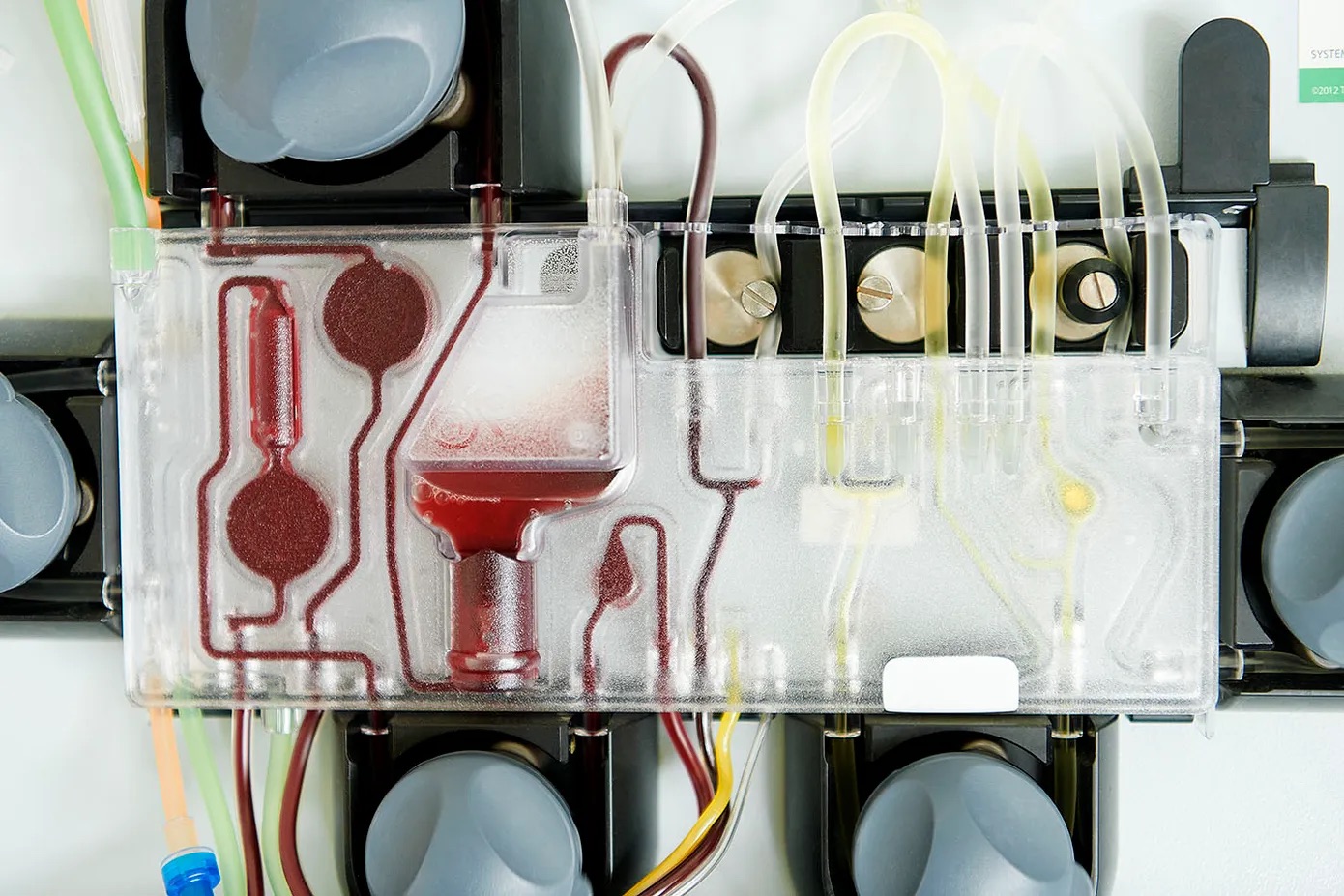
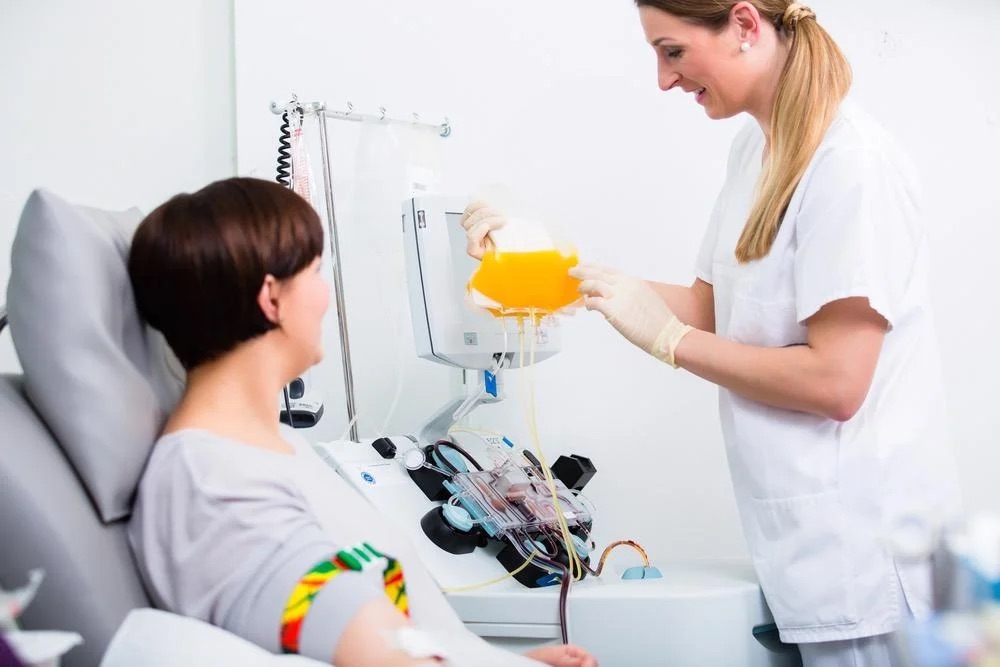
TPE, or plasmapheresis, is a medical procedure that separates plasma from blood cells. The plasma, which carries the inflammatory soup of cytokines, antibodies, and proteins, is removed and replaced with a clean fluid like albumin.
1. Rapid Removal of Cytokines
The most direct way TPE reduces inflammation is by physically filtering out the pro-inflammatory cytokines circulating in the blood. Unlike medications that block the production or action of specific cytokines (often with variable success), TPE removes the cytokines themselves. This can lead to a dramatic and rapid reduction in systemic inflammation levels.
2. Clearing Immune Complexes
In many chronic conditions, antibodies bind to antigens to form "immune complexes." These complexes can deposit in tissues (like kidneys and joints), triggering further inflammation. TPE is highly effective at removing these large molecular structures, breaking the cycle of tissue damage.
3. Reducing Fibrinogen and Viscosity
Inflammation increases levels of fibrinogen, a clotting protein that makes blood thicker and stickier. This impairs blood flow and oxygen delivery to tissues, perpetuating the inflammatory cycle. TPE removes excess fibrinogen, improving blood rheology (flow) and microcirculation.
4. Resetting the Immune System
By clearing the blood of inflammatory triggers and immune regulators, TPE may help "reset" the immune system. This can shift the balance from a pro-inflammatory state to a more regulatory, anti-inflammatory state.
5. Removing Oxidized Proteins and Lipids
Chronic inflammation is often accompanied by oxidative stress, leading to the accumulation of damaged proteins and oxidized LDL cholesterol. TPE can filter out these harmful byproducts, reducing the burden on the body's detoxification systems.
Conditions That Benefit from TPE's Anti-Inflammatory Effects
While TPE is standard for specific autoimmune diseases, its broad anti-inflammatory effects make it a potential therapy for a wider range of conditions characterized by systemic inflammation.
- Autoimmune Diseases: Rheumatoid Arthritis, Lupus (SLE), Vasculitis, Sjogren's Syndrome.
- Neurological Conditions: Multiple Sclerosis (MS), Guillain-Barré Syndrome, Chronic Inflammatory Demyelinating Polyneuropathy (CIDP).
- Post-Viral Syndromes: Long COVID, where persistent inflammation is a key driver.
- Cardiovascular Disease: By removing oxidized LDL and inflammatory markers like CRP.
- Aging and Longevity: As a potential "anti-aging" therapy to reduce "inflammaging."
The Procedure: A Safe and Effective Tool
TPE is a well-established medical procedure performed in specialized centers.
Before the Procedure
- Evaluation: A thorough medical history and lab work (CBC, metabolic panel, inflammatory markers like CRP and ESR) determine eligibility.
- Hydration: Ensuring good hydration makes vein access easier.
During the Procedure
- Vascular Access: Two IV lines are placed, usually in the arms.
- The Exchange: Blood is drawn, plasma is separated and discarded, and blood cells + albumin are returned.
- Comfort: The patient relaxes in a chair for 2-3 hours.
- Monitoring: Vital signs are monitored throughout.
After the Procedure
- Immediate Effects: Patients often report feeling "lighter" or having reduced pain within 24 hours.
- Fatigue: Mild fatigue is common post-procedure but resolves quickly.
- Hydration: Continued fluid intake is important.
Frequency
For chronic inflammation, a series of treatments (e.g., 6 sessions over 3 weeks) is often recommended to significantly lower the inflammatory load, followed by maintenance sessions as needed.
Integrative Strategies to Maintain Low Inflammation
TPE is a powerful intervention, but long-term success requires addressing the root causes of inflammation.
- Diet: An anti-inflammatory diet is crucial. Focus on:
- Omega-3 Fatty Acids: Fatty fish, flaxseeds, walnuts.
- Antioxidants: Berries, leafy greens, colorful vegetables.
- Spices: Turmeric, ginger.
- Avoid: Sugar, refined carbs, processed oils, excessive alcohol.
- Stress Reduction: Chronic stress fuels inflammation. Practices like meditation, yoga, and deep breathing are essential.
- Sleep: Prioritize 7-9 hours of quality sleep.
- Exercise: Moderate exercise is anti-inflammatory, but avoid overtraining.
- Supplements: Curcumin, fish oil, resveratrol, and Vitamin D can support lower inflammation levels.
Conclusion
Chronic inflammation is a formidable adversary, silently eroding health and vitality. For those who feel stuck in a cycle of pain and fatigue despite their best efforts, Therapeutic Plasma Exchange offers a powerful way to break free. By rapidly clearing the blood of inflammatory mediators, TPE provides a unique opportunity to reset the body's internal environment and pave the way for true healing.
If you are struggling with a chronic inflammatory condition, don't lose hope. Consult with a specialist to see if TPE could be the missing piece in your treatment puzzle.
At VIP TPE, we are dedicated to helping you overcome chronic inflammation and achieve optimal wellness. Our team combines advanced medical technology with compassionate care to support your journey to a healthier, inflammation-free life.
Frequently Asked Questions (FAQ)
Q: Is TPE safe for everyone? A: TPE is generally safe, but not for everyone. Patients with severe anemia, bleeding disorders, or active infections may not be candidates. A thorough evaluation is required.
Q: Does TPE replace my anti-inflammatory medication? A: TPE is often used in addition to medication, especially in acute flares. In some cases, it may allow for a reduction in medication dosage over time, but this should always be done under a doctor's supervision.
Q: How do I know if my inflammation is high? A: Blood tests like C-Reactive Protein (CRP) and Erythrocyte Sedimentation Rate (ESR) are common markers of systemic inflammation.
Q: Will TPE help with joint pain? A: Yes, by removing inflammatory cytokines and immune complexes, many patients experience significant relief from joint pain and stiffness.
Q: Is TPE covered by insurance? A: Coverage depends on the specific diagnosis. For FDA-approved indications (like certain autoimmune diseases), it is often covered. For other conditions, it may be considered investigational. We can help verify your benefits.