The Role of Albumin in Therapeutic Plasma Exchange
The Role of Albumin in Therapeutic Plasma Exchange
When patients learn about Therapeutic Plasma Exchange (TPE), the focus is usually on what is being removed: the inflammation, the autoantibodies, the "old" plasma. But equally important is what is being put back in. The replacement fluid used in TPE protocols for longevity (and in the famous AMBAR Alzheimer's trial) is largely Albumin. Albumin is not just a passive filler to keep your blood pressure up. It is a biologically active, powerhouse protein that plays a critical active role in the rejuvenation process. In this article, we will shine a spotlight on Albumin—the unsung hero of TPE.
What is Albumin?
Albumin is the most abundant protein in human blood plasma. Produced by the liver, it constitutes about 50% of the total protein content in your blood. Its primary textbook function is "oncotic pressure"—it holds water within the blood vessels, preventing it from leaking out into tissues (which would cause swelling or edema). But biologically, it does so much more. Albumin is the body's primary transport vehicle and its most significant extracellular antioxidant.
1. The "Molecular Sponge"
Think of albumin as a sticky, molecular sponge. It has a unique structure that allows it to bind to a vast array of substances.
- Transport: It carries hormones (like thyroid hormone and cortisol), fatty acids, bilirubin, and many medications throughout the body.
- Detoxification: Crucially, it binds to toxins and metabolic waste products, neutralizing them and transporting them to the liver and kidneys for elimination.
- Amyloid Binding: In the context of Alzheimer's, albumin binds to Amyloid-Beta (Aβ) peptides in the blood. This is the mechanism behind the "peripheral sink"—fresh albumin grabs onto Aβ, pulling more of it out of the brain.
2. The Master Antioxidant
Oxidative stress (damage caused by free radicals) is a fundamental driver of aging. Albumin is the major antioxidant in plasma. It has a specific exposed chemical group (a thiol group at Cysteine-34) that is incredibly effective at scavenging free radicals. It neutralizes reactive oxygen species (ROS) and reactive nitrogen species (RNS), protecting other proteins and cells from damage.
The Problem with "Old" Albumin
Here is the catch: As we age, our albumin gets damaged.
- Oxidation: The antioxidant capability of albumin gets "used up." The thiol group becomes oxidized and can no longer neutralize new free radicals.
- Glycation: In the presence of blood sugar, albumin can become glycated (similar to how HbA1c measures glycated hemoglobin). This forms "glycated albumin," which is dysfunctional.
- Cargo Overload: Over decades, the albumin sponge gets full. It is saturated with toxins and debris.
So, in an older person, even if they have enough albumin, they have dysfunctional albumin. It's like trying to clean a spill with a dirty, saturated sponge. It doesn't work, and it might spread the mess around.
How TPE Fixes the Albumin Problem
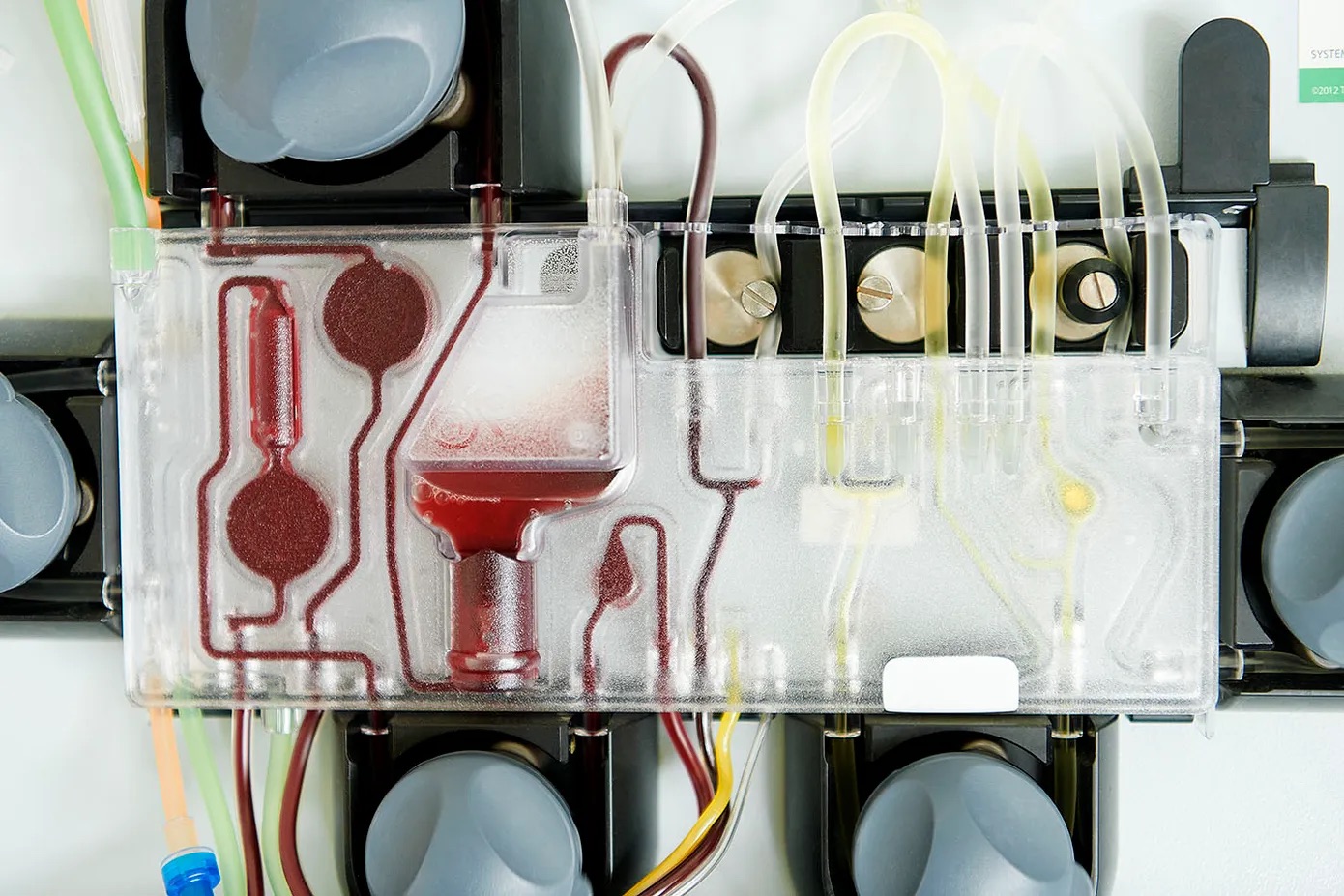
This is why TPE is so powerful. We are not just filtering the blood; we are performing an Albumin Exchange.
- Step 1: We remove the patient's old, oxidized, glycated, toxin-saturated albumin.
- Step 2: We replace it with fresh, medical-grade human albumin.
This replacement albumin is:
- Pure: It is free of toxins and debris.
- Reduced (Active): Its antioxidant sites are open and ready to work.
- Empty: Its binding sites are available to grab onto toxins.
The "Albumin Effect" in Rejuvenation
When you infuse this fresh albumin, several things happen:
- Restored Antioxidant Capacity: You immediately boost the blood's ability to fight oxidative stress. This protects the lining of blood vessels (endothelium) and vital organs.
- Mobilization of Toxins: The fresh "empty" albumin circulates through the body. Because it has high binding affinity, it can actually pull toxins out of the tissues and into the blood, where they are bound and neutralized. This is a deep-tissue detox effect.
- Immunomodulation: Albumin has anti-inflammatory properties. It inhibits the activation of certain immune cells (neutrophils) and reduces the interaction between inflammatory cytokines and cells.
- Improved Microcirculation: Fresh albumin improves the rheology (flow) of blood. It helps red blood cells deform to squeeze through tiny capillaries, improving oxygen delivery to the brain and muscles.
Why Not Just Take an Albumin Supplement?
You can't eat albumin (your digestion breaks it down into amino acids). You can receive an IV albumin infusion, but if you don't remove the old plasma first, you are just adding clean water to a dirty pond. You risk fluid overload, and you haven't removed the pro-aging factors. The Exchange is the key. You must remove the bad to make room for the good.
Conclusion
Albumin is the workhorse of the TPE procedure. It is the agent that facilitates the deep cleaning and restoration of the body's biochemical balance. By replacing old, tired proteins with fresh, functional ones, we are essentially giving the body a new immune system, a new detox system, and a new antioxidant shield. This is why TPE with albumin replacement is the gold standard for therapeutic longevity. We aren't just cleaning the blood; we are upgrading its most vital component.