Therapeutic Plasma Exchange for Autoimmune Diseases: A Comprehensive Guide
Therapeutic Plasma Exchange for Autoimmune Diseases: A Comprehensive Guide
Autoimmune diseases affect millions of people worldwide, turning the body's defense system against itself. From the joints in rheumatoid arthritis to the nerves in Guillain-Barré syndrome, the impact can be devastating. For patients with severe or refractory autoimmune conditions, standard medications like corticosteroids and immunosuppressants may not be enough, or they may take too long to work.
Enter Therapeutic Plasma Exchange (TPE), also known as plasmapheresis. This procedure has been a cornerstone in treating specific autoimmune crises for decades. By physically removing the "bad actors"—the autoantibodies and inflammatory mediators—from the blood, TPE can rapidly halt disease progression and provide a bridge to long-term recovery.
In this guide, we will delve into how TPE works for autoimmune diseases, which conditions it treats, and what patients can expect from this therapy.
The Mechanism: Why TPE Works for Autoimmunity
To understand why TPE is effective, we first need to understand the basic mechanism of autoimmune disease.
The Role of Autoantibodies
In a healthy immune system, antibodies are proteins that identify and neutralize foreign invaders like bacteria and viruses. In autoimmune diseases, the immune system makes a mistake. It produces autoantibodies that target the body's own healthy tissues.
- In Myasthenia Gravis, autoantibodies attack the receptors at the neuromuscular junction, causing muscle weakness.
- In Lupus (SLE), autoantibodies can attack DNA, blood cells, and organs like the kidneys.
- In Multiple Sclerosis (MS), the immune system attacks the protective sheath (myelin) covering nerve fibers.
How TPE Intervenes
Medications usually work by suppressing the production of these autoantibodies, but this process can take weeks or months. TPE works differently: it removes the autoantibodies that are already circulating in the blood.
- Rapid Clearance: By filtering the plasma, TPE can reduce the burden of pathogenic antibodies by 60-70% in a single session.
- Immune Reset: The removal of antibodies and immune complexes (clumps of antibodies and antigens) can shift the immune system towards a less inflammatory state.
- Enhancing Medication Efficacy: By lowering the "load" of the disease, TPE can make subsequent drug treatments more effective.
Conditions Treated with TPE
The American Society for Apheresis (ASFA) publishes guidelines categorizing the use of TPE for various diseases. Here are some of the key autoimmune conditions where TPE is often used:
1. Neurological Autoimmune Disorders
- Guillain-Barré Syndrome (GBS): TPE is a first-line treatment for GBS, a condition where the immune system attacks the nerves, leading to paralysis. Early TPE can significantly shorten recovery time and reduce the need for mechanical ventilation.
- Myasthenia Gravis (MG): Used during "myasthenic crisis" (severe weakness affecting breathing) or before surgery (thymectomy) to stabilize the patient.
- Chronic Inflammatory Demyelinating Polyneuropathy (CIDP): TPE is a standard therapy for this chronic form of GBS, helping to improve muscle strength and function.
- Multiple Sclerosis (MS): Used for acute attacks (relapses) that do not respond to high-dose steroids.
- Neuromyelitis Optica (NMO): TPE is highly effective for acute attacks of NMO, which affects the optic nerves and spinal cord.
2. Hematologic Autoimmune Disorders
- Thrombotic Thrombocytopenic Purpura (TTP): This is a life-threatening condition where blood clots form in small vessels. TPE is the standard of care and is lifesaving, removing the antibodies that inhibit the ADAMTS13 enzyme.
- Autoimmune Hemolytic Anemia: In severe cases where the body destroys its own red blood cells, TPE can be used to stabilize the patient.
3. Renal (Kidney) Autoimmune Disorders
- Goodpasture's Syndrome: Autoantibodies attack the lungs and kidneys. TPE rapidly removes these antibodies to prevent permanent kidney failure and lung hemorrhage.
- ANCA-Associated Vasculitis: TPE is used in severe cases with rapidly progressive kidney failure.
4. Other Autoimmune Conditions
- Systemic Lupus Erythematosus (SLE): While not a first-line routine treatment, TPE is used for severe complications like "cerebritis" (brain inflammation) or pulmonary hemorrhage.
- PANDAS/PANS: Pediatric autoimmune neuropsychiatric disorders associated with streptococcal infections may respond to TPE when other treatments fail.
The TPE Procedure for Autoimmune Patients
The experience of TPE for an autoimmune patient is similar to dialysis but with a different goal.
Vascular Access
Because TPE requires good blood flow, a robust vein is needed.
- Peripheral Veins: In many cases, two IV lines are placed in the arms (one for blood out, one for blood in).
- Central Line: For patients with poor veins or those requiring frequent treatments, a central venous catheter (like a Hickman or PICC line) may be inserted into a large vein in the neck or chest.
The Exchange
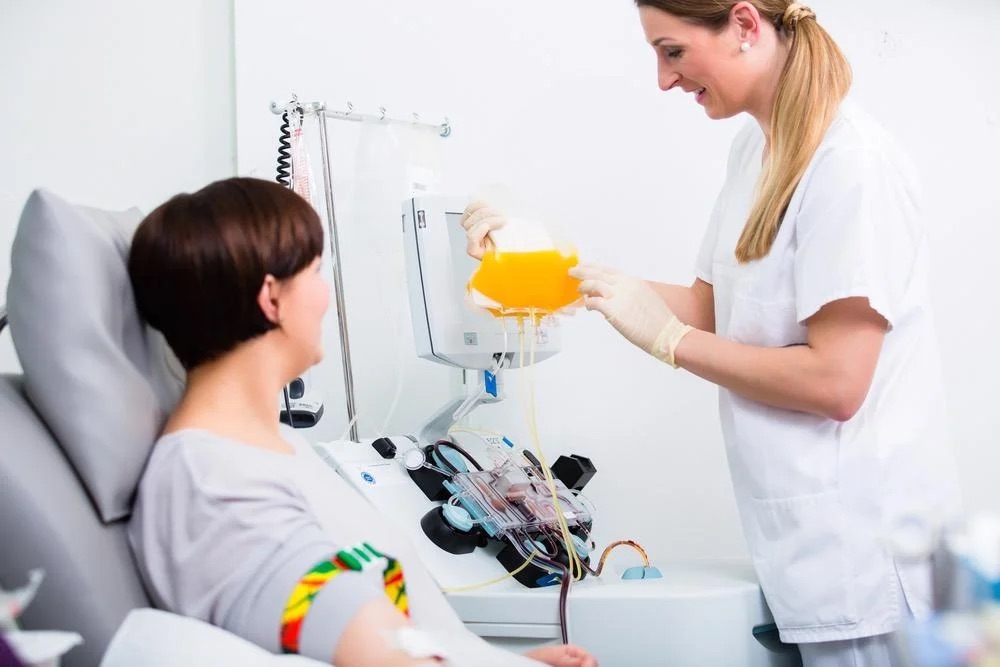
The patient is connected to the apheresis machine.
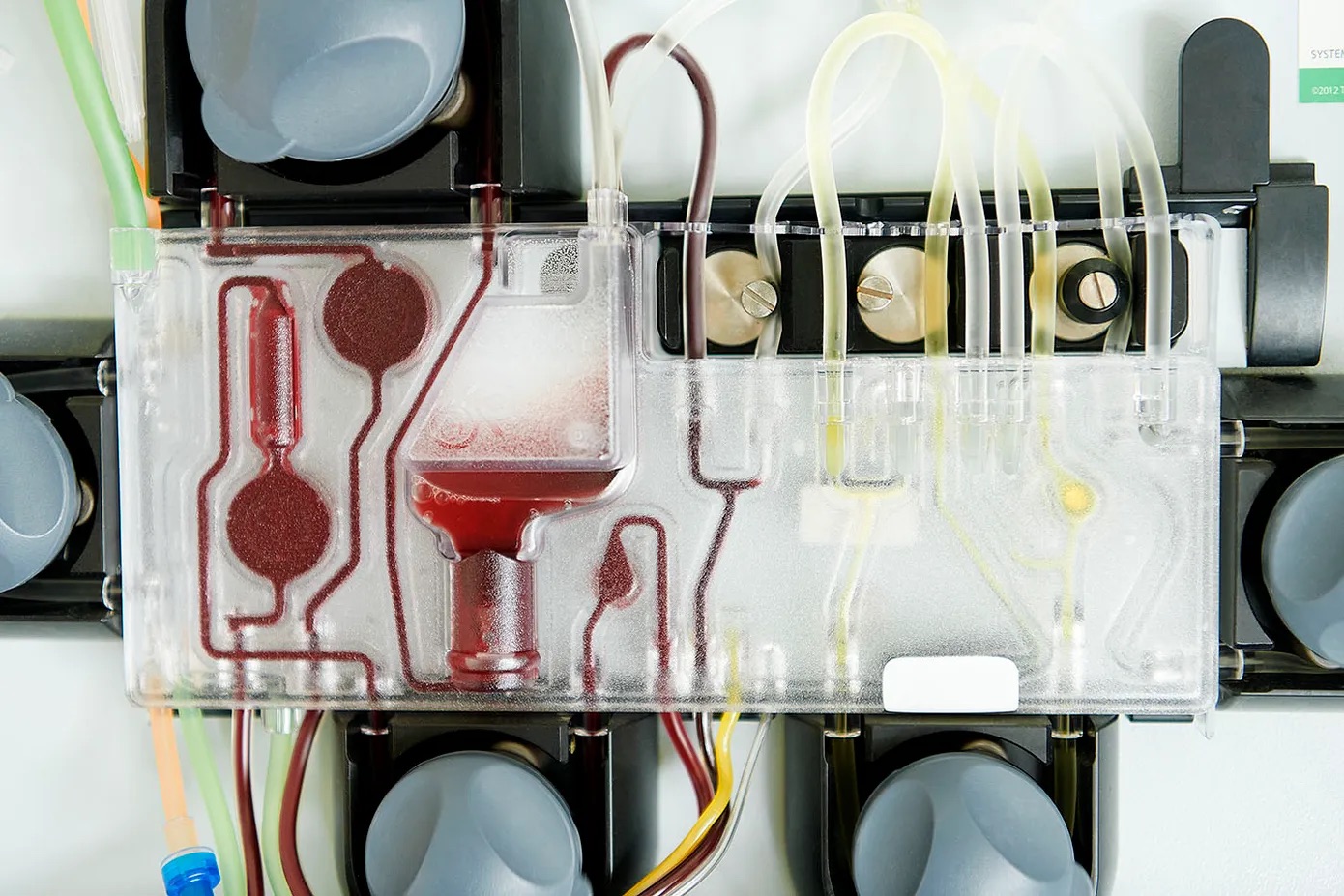
- Blood Separation: The machine separates plasma from cells.
- Plasma Removal: The plasma containing the autoantibodies is discarded.
- Replacement Fluid: The patient receives a replacement fluid, typically albumin (a human blood protein) or a mix of albumin and saline. In TTP, fresh frozen plasma (FFP) is used to replace the missing enzyme.
Frequency and Duration
- Acute Crisis (e.g., GBS, Myasthenic Crisis): Treatments are often done every other day for a total of 5-7 sessions.
- Chronic Management (e.g., CIDP): Patients may come in for maintenance treatments every few weeks or months.
- Duration: Each session takes 2-4 hours.
Benefits vs. Risks
Benefits
- Speed: Symptom improvement can sometimes be seen within days, much faster than immunosuppressants.
- Targeted: It physically removes the disease-causing agents.
- Sparing: It allows for the potential reduction of long-term steroid use, sparing patients from some steroid side effects.
Risks and Side Effects
- Hypocalcemia: The anticoagulant citrate can lower calcium levels, causing tingling or numbness. This is treated with oral or IV calcium.
- Low Blood Pressure: Fluid shifts can cause dizziness.
- Infection: Risk is related to the central line (if used) and the temporary reduction in immunoglobulins (antibodies).
- Bleeding: If clotting factors are removed (and not replaced with FFP), there is a temporary risk of bleeding.
- Allergic Reactions: Rare reactions to albumin or FFP.
Lifestyle and Integrative Support
Managing an autoimmune disease requires a holistic approach. TPE is a powerful tool, but it works best when the body is supported.
Diet
- Anti-Inflammatory Diet: Focusing on whole foods, vegetables, fruits, and healthy fats (like olive oil and fish) helps reduce overall inflammation.
- Gut Health: Since a large part of the immune system resides in the gut, probiotics and prebiotics can be beneficial.
Stress Management
Stress is a known trigger for autoimmune flares. Techniques like meditation, yoga, and deep breathing can help regulate the immune system.
Medication Adherence
TPE is often used in conjunction with medications. It is crucial to continue your prescribed immunosuppressants as they prevent the production of new autoantibodies after TPE removes the existing ones.
Conclusion
Therapeutic Plasma Exchange is a vital therapy in the fight against autoimmune diseases. By rapidly clearing the blood of harmful autoantibodies and inflammatory mediators, it offers a lifeline during crises and a strategy for managing chronic, debilitating conditions.
If you or a loved one is battling a severe autoimmune disease that is not responding well to conventional treatment, ask your specialist if TPE could be an option. With the right medical team and a comprehensive care plan, remission and a better quality of life are possible.
At VIP TPE, we specialize in providing this advanced therapy in a comfortable and safe environment. Our team works closely with your rheumatologist or neurologist to ensure the best possible outcome.
FAQ
Q: Will TPE cure my autoimmune disease? A: TPE is generally not a cure, as it does not stop the body from producing new autoantibodies. However, it can induce remission, manage acute flares, and significantly improve symptoms.
Q: How long do the benefits last? A: This varies. In acute conditions like GBS, a single course may be enough for recovery. In chronic conditions like CIDP, benefits may last weeks to months, requiring maintenance therapy.
Q: Is TPE painful? A: The procedure itself is not painful, other than the initial needle stick. Most patients find it relaxing.
Q: Can I eat before TPE? A: Yes, it is recommended to eat a light meal and stay hydrated before your appointment.
Q: How does TPE compare to IVIG? A: Intravenous Immunoglobulin (IVIG) is another treatment that introduces healthy antibodies to neutralize the bad ones. TPE removes the bad ones directly. Both are effective, and the choice depends on the specific disease, patient response, and side effect profile.