Therapeutic Plasma Exchange for Autoimmune Diseases: How It Works
Therapeutic Plasma Exchange for Autoimmune Diseases: How It Works
Autoimmune diseases are characterized by a case of mistaken identity: the body's immune system attacks its own healthy tissues. This attack is often carried out by autoantibodies—proteins that circulate in the blood and target specific organs, nerves, or joints.
For many patients, immunosuppressive drugs (like steroids) are the standard treatment. They work by "turning down the volume" on the entire immune system. But sometimes, drugs aren't enough, or they work too slowly.
Enter Therapeutic Plasma Exchange (TPE). Unlike drugs that suppress production, TPE physically removes the attacking antibodies from the battlefield.
In this article, we explain the mechanics of TPE for autoimmune conditions and why it is often the "rescue therapy" of choice for doctors worldwide.
The Mechanism: "Dialysis for Antibodies"
Imagine a bathtub overflowing with water (antibodies). Drugs are like turning down the faucet—they stop more water from coming in, but the tub is still full. TPE is like pulling the drain plug. It empties the tub immediately.
The Process:
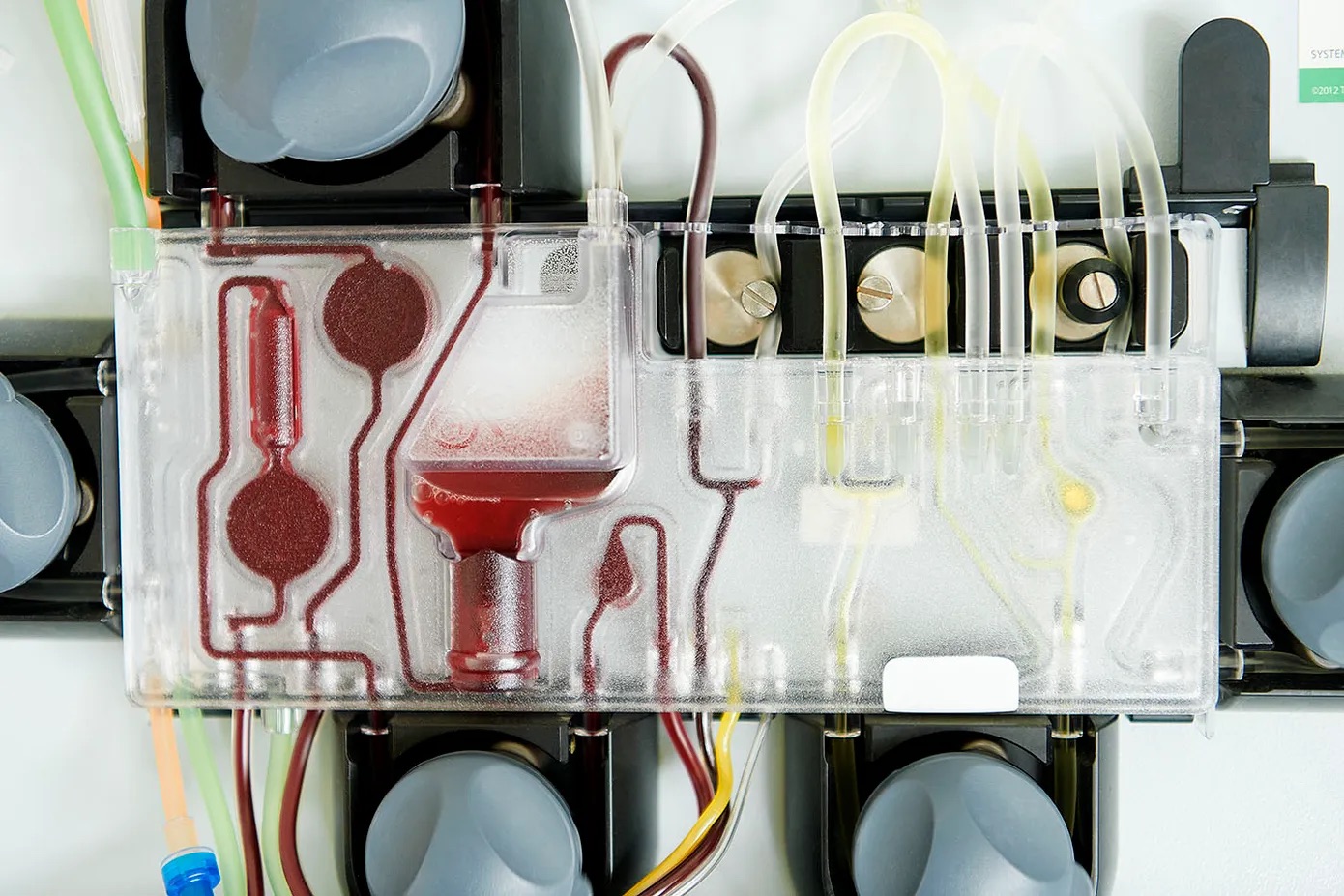
- Separation: We draw blood and separate the plasma (liquid) from the cells.
- Removal: The plasma contains the autoantibodies, inflammatory cytokines, and immune complexes. This plasma is discarded.
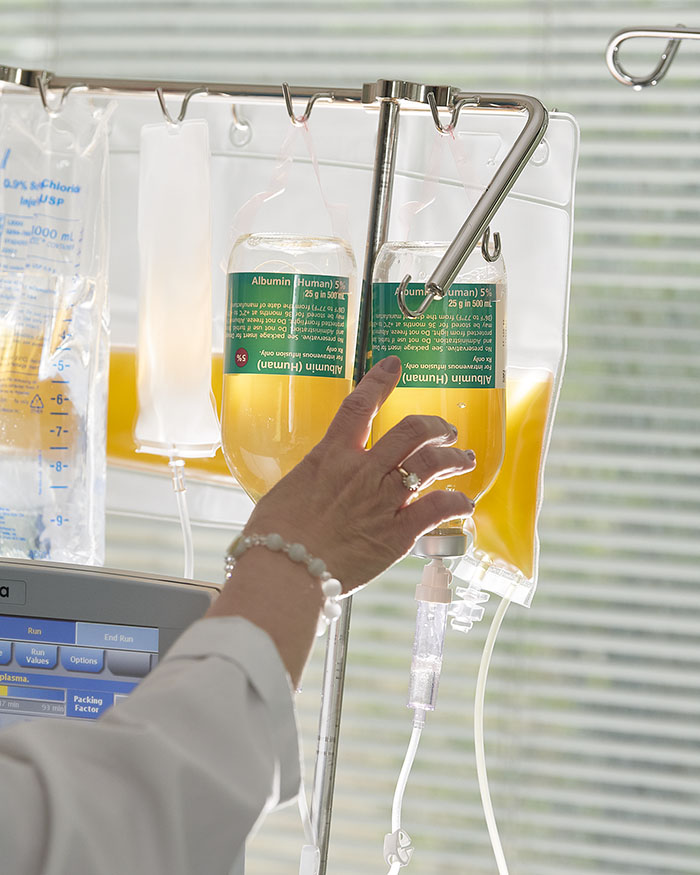
- Replacement: We replace it with clean fluid (albumin).
- Result: The patient leaves the chair with a significantly lower "tumor burden" of autoantibodies.
Conditions Treated
TPE is effective for diseases where the "bad guys" are in the plasma.
1. Myasthenia Gravis (MG)
- The Problem: Antibodies attack the connection between nerves and muscles.
- TPE Benefit: Rapidly removes these antibodies, restoring muscle strength often within days. It is crucial during a "Myasthenic Crisis" (when breathing muscles fail).
2. Lupus (SLE)
- The Problem: Immune complexes build up and damage the kidneys (Lupus Nephritis) or brain (CNS Lupus).
- TPE Benefit: Removes these complexes to save the organs during severe flares that don't respond to chemo drugs.
3. Thrombotic Thrombocytopenic Purpura (TTP)
- The Problem: An enzyme deficiency causes massive clotting throughout the body.
- TPE Benefit: TPE is life-saving here. Without it, mortality is 90%. With it, survival is 80-90%. It removes the inhibitor and replaces the missing enzyme.
4. ANCA Vasculitis
- The Problem: Antibodies cause inflammation of blood vessels, damaging kidneys and lungs.
- TPE Benefit: Used to rapidly clear antibodies to prevent kidney failure and pulmonary hemorrhage.
Why TPE? The Advantages
- Speed: Drugs take weeks to work. TPE works immediately. This is why it is used in emergencies (ICU).
- Sparing Drugs: By lowering the antibody load, TPE may allow patients to lower their doses of toxic steroids or chemotherapy drugs.
- Safety: It avoids the long-term side effects of steroids (bone loss, weight gain, diabetes).
Is it a Cure?
TPE is generally not a cure; it is a management tool.
- The Rebound: The body will eventually produce more antibodies (the faucet is still on).
- The Strategy: TPE is often used to "put out the fire" (acute crisis) while starting long-term medications to "keep the fire out" (maintenance).
Conclusion
For autoimmune warriors, TPE offers a unique and powerful weapon. It cleans the slate, giving the body a break from the relentless immune attack. If you have a severe or drug-resistant autoimmune condition, ask your specialist if TPE could be part of your solution.