Top Questions Patients Ask About Therapeutic Plasma Exchange
Top Questions Patients Ask About Therapeutic Plasma Exchange
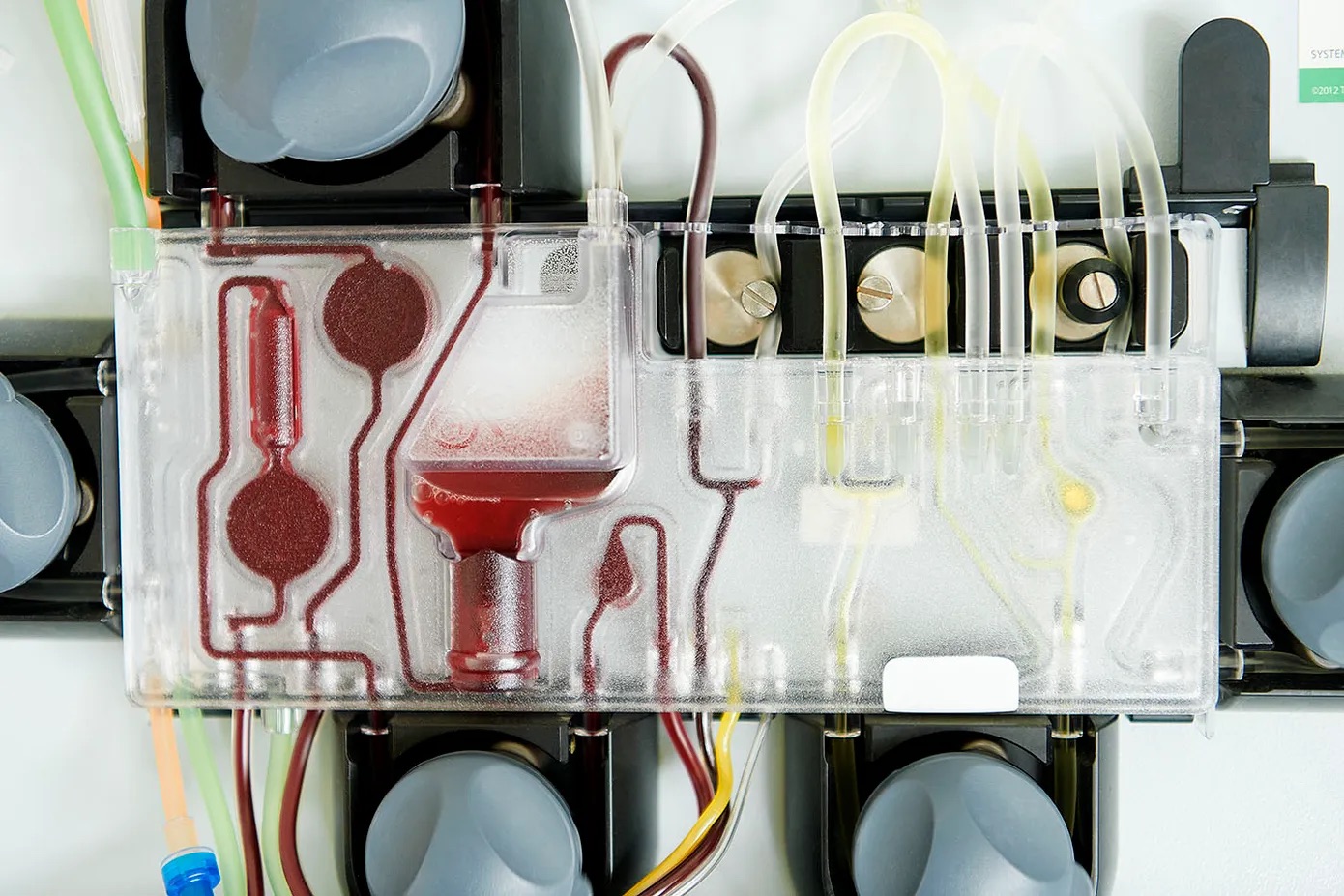
Therapeutic Plasma Exchange (TPE) is a powerful medical procedure, but for many patients, it is unfamiliar territory. Unlike taking a pill, TPE involves machines, needles, and blood—concepts that can naturally cause anxiety.
At VIP TPE, we believe that an informed patient is an empowered patient. We have compiled the most frequently asked questions from our clinic to provide you with clear, honest answers about what TPE is really like.
1. Does it hurt?
The Short Answer: Only a pinch. The Detail: The only pain associated with TPE is the initial insertion of the needles (venipuncture). This feels exactly like getting your blood drawn for a lab test or donating blood. Once the needles are in and secured, you should not feel pain.
- Comfort: We use numbing cream (lidocaine) if requested to minimize the pinch. During the 2-3 hour session, you simply relax in a recliner.
2. How long does a session take?
The Short Answer: About 90 minutes. The Detail: Our process is optimized for efficiency and maximum benefit.
- TPE Procedure: The plasma exchange itself takes approximately 60 minutes (if no complications).
- Bonus Treatment: We immediately follow TPE with a 30-minute IVIG infusion.
- Why? Intravenous Immunoglobulin (IVIG) is a powerful, expensive immune booster. Most clinics charge thousands extra for this, but we include it free of charge in your session.
- Total Time: Plan for ~90 minutes in the chair.
3. How often do I need to do it?
The Short Answer: It depends on your condition. The Detail:
- Acute Autoimmune Attacks (e.g., MS relapse, GBS): Usually 5-7 treatments performed every other day over 2 weeks. This "clusters" the therapy to rapidly remove antibodies.
- Chronic Maintenance (e.g., CIDP, Neuropathy): Often 1 treatment every 2-4 weeks.
- Longevity / Alzheimer's Prevention: Protocols vary, but a common approach (based on the AMBAR trial) is an intensive induction phase (once a week for 6 weeks) followed by a maintenance phase (once a month).
4. What are the side effects?
The Short Answer: Usually mild, like fatigue or tingling. The Detail:
- Citrate Reaction: The most common side effect. The anticoagulant used can lower calcium levels, causing tingling in the lips or fingers. We fix this instantly by giving you calcium (Tums or IV).
- Fatigue: You may feel "wiped out" for the rest of the day. This is normal.
- Bruising: Sometimes a bruise forms at the needle site.
- Low Blood Pressure: Rarely, you might feel lightheaded. We prevent this by keeping you hydrated.
5. Can I drive myself home?
The Short Answer: We recommend a ride for the first session. The Detail: Most experienced patients drive themselves without issue. However, for your very first treatment, we advise having a friend or family member drive you, just in case you feel tired or lightheaded. Once you know how your body reacts, you can likely drive yourself to future appointments.
6. What is "Albumin" and is it safe?
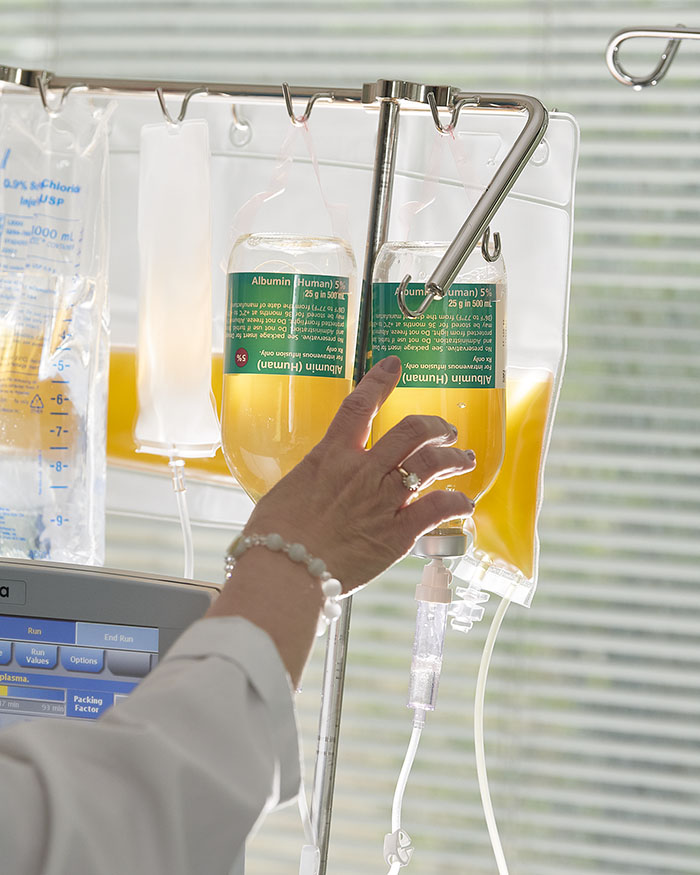
The Short Answer: It is a protein from plasma, and it is extremely safe. The Detail: When we remove your plasma, we must replace the volume so your blood pressure doesn't drop. We use 5% Human Albumin.
- Safety: Albumin is pasteurized (heat-treated), which kills all viruses and bacteria. It has been used safely in medicine since the 1940s with a stellar safety record—much safer than fresh frozen plasma.
7. Will my veins hold up?
The Short Answer: We assess this first. The Detail: TPE requires good blood flow.
- Peripheral Access: We use the veins in your arms (antecubital veins). We alternate arms if possible.
- Vein Care: Our nurses are experts. If your veins are small ("hard stick"), we use ultrasound to guide the needle or may discuss other options. Staying well-hydrated is the #1 way to make your veins big and easy to access.
8. Can I eat before the procedure?
The Short Answer: Yes, please do! The Detail: You should eat a solid, calcium-rich meal before coming in. Do not fast. Having food in your stomach prevents nausea and helps maintain your blood pressure. Drink plenty of water in the 24 hours leading up to your appointment.
9. Is TPE covered by insurance?
The Short Answer: For FDA-approved diseases, yes. For longevity, usually no. The Detail:
- Covered: GBS, CIDP, Myasthenia Gravis, MS relapses. (Requires Prior Auth).
- Not Covered: Alzheimer's prevention, general anti-aging, or "wellness" protocols. These are self-pay.
10. How much does it cost?
The Short Answer: $7,000 per session. The Detail:
- Market Comparison: In private wellness clinics, TPE typically costs between $7,000 and $12,000.
- VIP TPE Offer: We provide this premium therapy for $7,000, offering significant savings without compromising on safety or efficacy.
11. How will I feel afterward?
The Short Answer: Tired today, better tomorrow. The Detail: Immediately after, you might feel tired. Rest, hydrate, and avoid heavy exercise for 24 hours. Many patients report a "lift" in mental clarity or energy starting 24-48 hours after the treatment, as the inflammatory load in their blood has been reduced.
Have more questions?
Every patient is unique. We encourage you to schedule a consultation to discuss your specific medical history and goals. At VIP TPE, no question is too small when it comes to your health.