PANDAS and PANS: When a Child Changes Overnight and How TPE Can Help
PANDAS and PANS: When a Child Changes Overnight and How TPE Can Help
It is every parent's nightmare. Your child goes to bed one night as their happy, well-adjusted self. They wake up the next morning, or perhaps over the course of a few days, as a different person.
Sudden, severe anxiety. Uncontrollable tics. Obsessive-compulsive behaviors (OCD) that seem to appear out of nowhere. Rage attacks. Regression in handwriting or math skills.
You go to the pediatrician, and they check for strep throat. It might be positive, or it might not. You go to a psychiatrist, and they suggest psychiatric meds. But deep down, you know this isn't just "behavioral." This is biological.
You may be dealing with PANDAS (Pediatric Autoimmune Neuropsychiatric Disorders Associated with Streptococcal Infections) or PANS (Pediatric Acute-onset Neuropsychiatric Syndrome).
At VIP TPE, we understand that these conditions are not "all in the child's head"—they are in the child's immune system. And for severe cases, Therapeutic Plasma Exchange (TPE) offers a powerful, evidence-based path to recovery by physically removing the antibodies attacking the brain.
In this comprehensive guide, we will explore the science of PANDAS/PANS, why it happens, and how TPE serves as a rescue therapy for families in crisis.
Understanding the "Brain on Fire"
To understand PANDAS/PANS, we must look at the concept of molecular mimicry.
The Strep Connection (PANDAS)
Group A Streptococcus (the bacteria that causes strep throat) is a master of disguise. It has molecules on its cell wall that look remarkably similar to molecules found in the human heart, joints, and brain. This is a survival mechanism to hide from your immune system.
Usually, your immune system is smart enough to spot the difference. It makes antibodies to kill the strep. But in some genetically susceptible children, the immune system gets confused. It produces "anti-strep" antibodies that also lock onto the basal ganglia—the part of the brain responsible for motor control, emotion, and behavior.
The result? The antibodies attack the basal ganglia, causing inflammation. This inflammation disrupts the neurochemistry (dopamine levels), leading to the sudden onset of tics and OCD. It is, essentially, "rheumatic fever of the brain."
Beyond Strep (PANS)
PANS is the broader category. It includes the same symptoms but can be triggered by other infections (Lyme, Mycoplasma, Influenza, COVID-19) or even metabolic factors. The mechanism is the same: an immune trigger causes autoantibodies to attack the brain.
The Symptoms: More Than Just "Bad Behavior"
The hallmark of PANDAS/PANS is the acute onset. It is not a slow decline; it is a cliff.
- OCD: Severe fears of contamination, needing to touch things evenly, intrusive thoughts.
- Tics: Motor tics (blinking, jerking) or vocal tics (grunting, clearing throat).
- Separation Anxiety: Terror at being away from parents (even in older kids).
- Emotional Lability: Uncontrollable crying or laughing.
- Aggression/Rage: "Jekyll and Hyde" personality changes.
- Sensory Sensitivity: Cannot tolerate clothes, lights, or noises.
- Deterioration in School: "Math brain" shuts down; handwriting becomes illegible.
- Urinary Frequency: Needing to pee every 10 minutes.
Treatment Options: The Three-Pronged Approach
Treating PANDAS/PANS requires a multi-layered strategy.
- Treat the Infection: Antibiotics (Penicillin, Azithromycin) to clear the underlying strep or other bacteria.
- Treat the Inflammation: NSAIDs (Ibuprofen) or Steroids (Prednisone) to calm the brain.
- Treat the Immune System (Immunomodulation): This is where IVIG and TPE come in.
Why Therapeutic Plasma Exchange (TPE) for PANDAS?
For mild cases, antibiotics and ibuprofen might be enough. But for moderate to severe cases—where the child is non-functional, unable to go to school, or violent—we need to stop the attack now.
Therapeutic Plasma Exchange is the most direct way to do this.
How It Works
The problem in PANDAS is the presence of circulating autoantibodies (specifically, anti-neuronal antibodies like Anti-D1, Anti-D2, Anti-Tubulin). These antibodies are floating in the plasma.
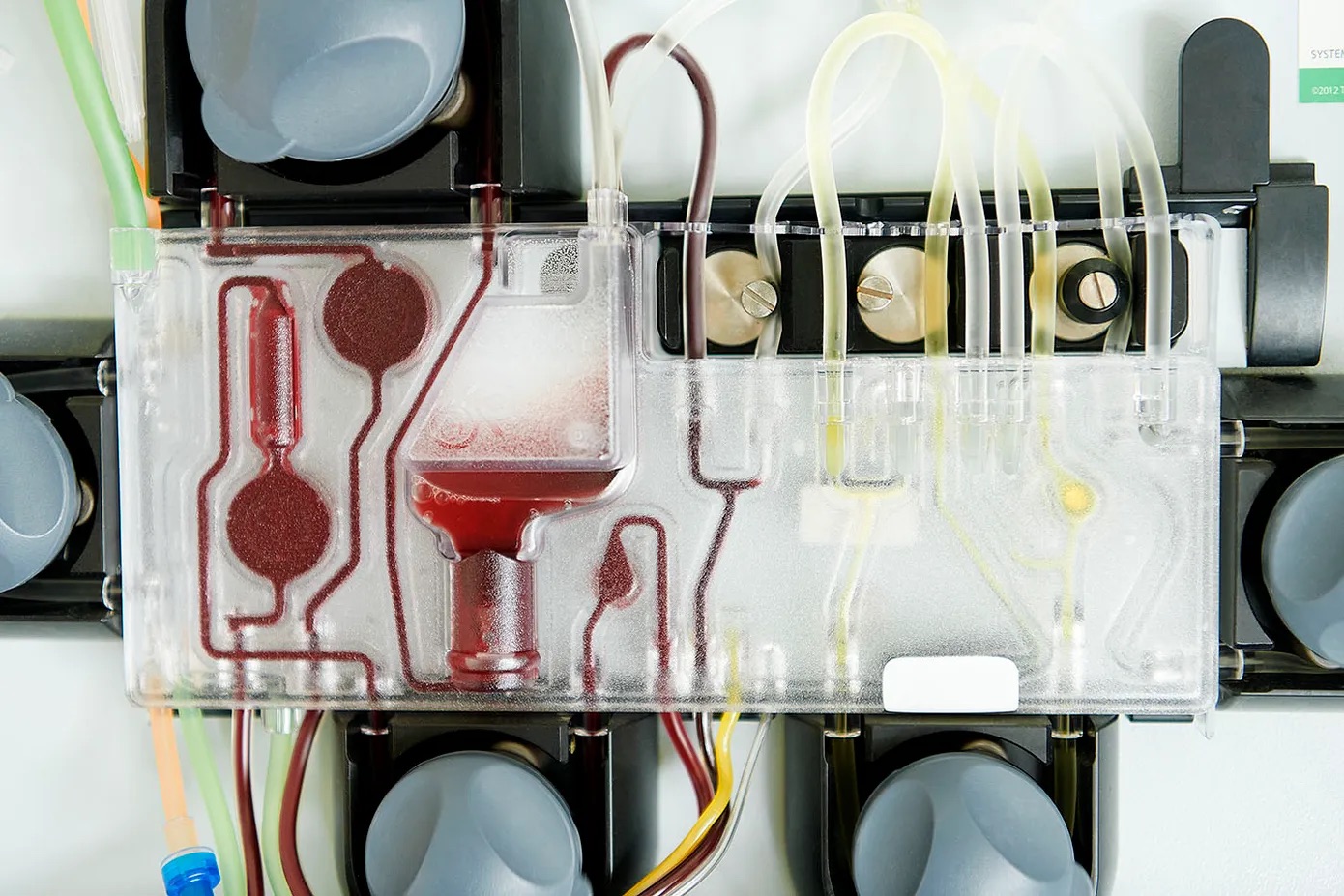
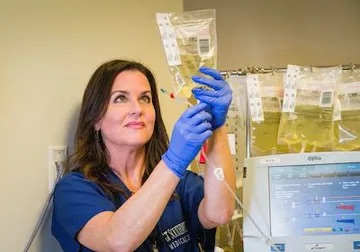
TPE connects the child (or young adult) to an apheresis machine.
- Removal: The machine draws blood and separates the plasma.
- Discard: The plasma, containing the "brain-attacking" antibodies and inflammatory cytokines, is discarded.
- Replacement: The red blood cells are returned to the patient with fresh Albumin or donor plasma.
The Evidence
The NIMH (National Institute of Mental Health) and other major research centers have conducted studies comparing IVIG and TPE.
- A landmark randomized controlled trial (Perlmutter et al.) showed that TPE and IVIG were both superior to placebo.
- TPE often works faster. Because it physically removes the antibodies, parents often see a "lifting of the fog" within days of the first or second session. IVIG (which modulates the immune system but doesn't remove antibodies) can take weeks to show full effect.
- ASFA Guidelines: The American Society for Apheresis recognizes PANDAS/PANS as a condition where TPE is a valid therapeutic option (Category III), particularly for severe, refractory cases.
The TPE Protocol for PANDAS
At VIP TPE, we approach pediatric and young adult cases with extreme care.
- Frequency: Typically a series of 5 sessions over 7-10 days (e.g., Every Other Day).
- Vascular Access: We understand that children hate needles. We use expert vascular access teams or can coordinate with a surgeon for a temporary line placement if necessary (though many teenagers do fine with peripheral IVs).
- Comfort: Our suites are designed to be non-threatening, with entertainment and space for parents to be right by their side.
TPE vs. IVIG
Many parents ask: "Should we do IVIG or TPE?"
- IVIG: Easier to administer (one IV bag), but can cause headaches/nausea (aseptic meningitis). It neutralizes antibodies.
- TPE: More invasive (requires better vein access), but has fewer systemic side effects and works faster. It removes antibodies.
- Synergy: Often, the best protocol for severe cases is TPE First (to clear the bad antibodies) followed by IVIG (to reset the immune system).
Recovery and "The flare"
Recovery from PANDAS is often described as "sawtooth."
- Immediate Relief: After TPE, many symptoms vanish. The tics stop. The OCD quiets down.
- Healing Phase: The brain takes time to heal from the inflammation.
- Flares: Because PANDAS is an autoimmune condition, future exposure to strep can trigger a flare. However, having "reset" the system with TPE often makes these flares much milder and easier to manage with just antibiotics.
Is TPE Safe for Children/Teens?
Yes. TPE is used in children for many conditions (like kidney disease or leukemia).
- Safety Profile: The risks are similar to adults (calcium drops, blood pressure changes) and are closely monitored by our specialized nursing team.
- Weight Requirements: We calculate the Extracorporeal Volume (ECV) based on the child's weight to ensure safety. We generally treat adolescents and young adults; for very small children, a hospital setting might be recommended.
Conclusion: Hope for the Future
PANDAS/PANS steals a child's childhood. It leaves families traumatized and exhausted. But it is treatable.
You are not dealing with a permanent psychiatric illness. You are dealing with a treatable immune error. Therapeutic Plasma Exchange acts as the "reset button," clearing the offensive antibodies and giving the brain the space it needs to heal.
If your child is suffering and traditional therapies haven't worked, TPE might be the turning point.
Ready to discuss your case? Contact Us for a consultation. We can review your child's history, Cunningham Panel results, and help you decide if TPE is the right step for your family.
Read more: