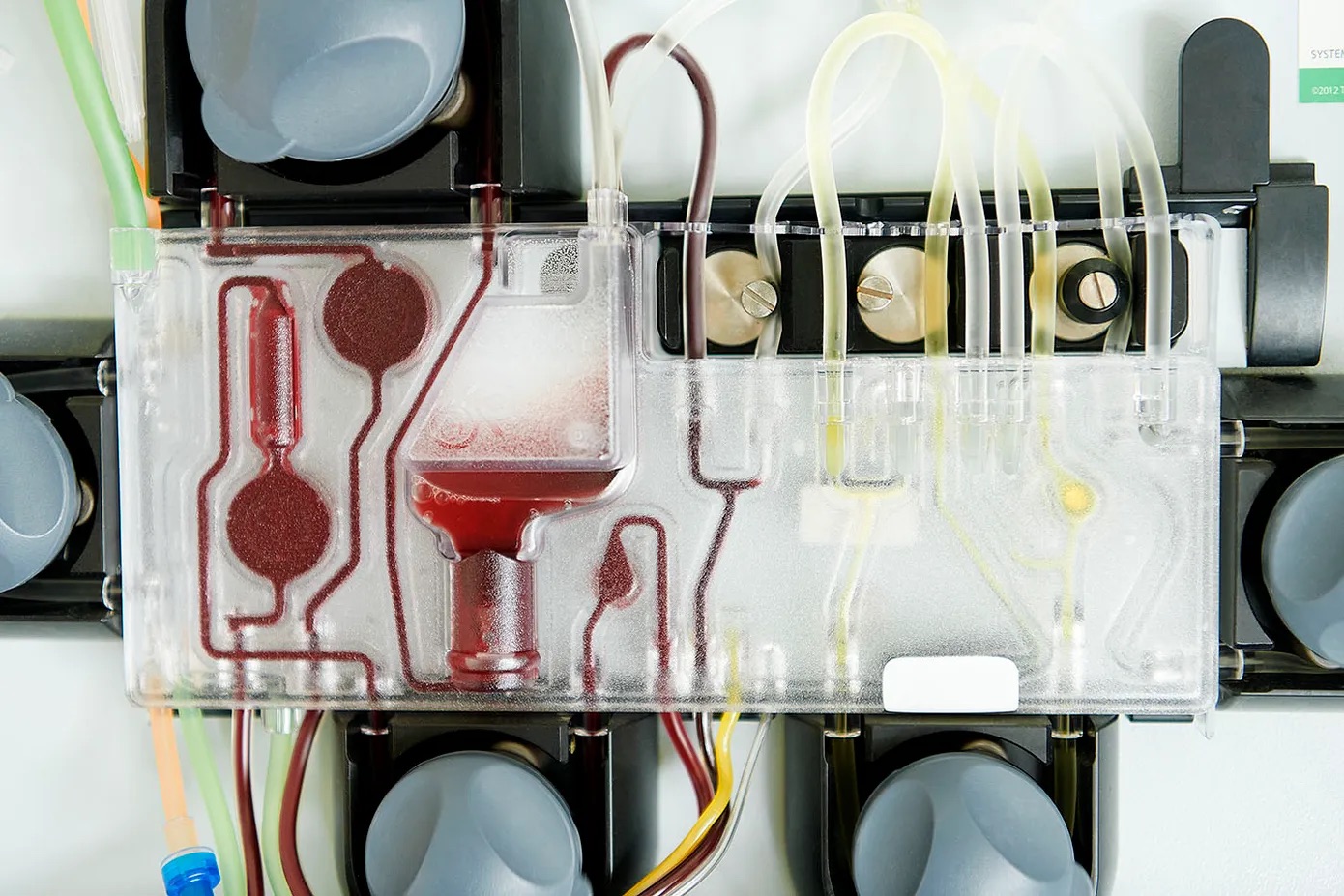
Therapeutic Plasma Exchange for TTP (Thrombotic Thrombocytopenic Purpura)
Therapeutic Plasma Exchange for TTP (Thrombotic Thrombocytopenic Purpura)
When discussing the lifesaving power of Therapeutic Plasma Exchange (TPE), one condition stands out above all others as the classic example: Thrombotic Thrombocytopenic Purpura (TTP).
If you search for "What is the most common treatment for TTP?", the answer is unequivocally Therapeutic Plasma Exchange. In fact, before the advent of TPE, TTP was almost universally fatal (mortality >90%). Today, with prompt TPE, survival rates exceed 80-90%.
This dramatic turnaround makes TTP the "poster child" for apheresis medicine. But what exactly is TTP, and why is plasma exchange so uniquely effective against it?
What is TTP? The "Clotting Storm"
Thrombotic Thrombocytopenic Purpura (TTP) is a rare, life-threatening blood disorder. The name is a mouthful, but it describes the problem perfectly:
- Thrombotic: Formation of blood clots.
- Thrombocytopenic: Low platelet count (because they are all used up in the clots).
- Purpura: Purple bruises on the skin (caused by bleeding under the skin due to low platelets).
In a healthy body, you have an enzyme called ADAMTS13. Think of ADAMTS13 as a pair of molecular scissors. Its job is to cut up a large, sticky protein called von Willebrand Factor (vWF) into smaller, manageable pieces.
In TTP, this enzyme is missing or doesn't work.
- Acquired TTP: Your immune system produces an antibody that attacks and blocks ADAMTS13 (Autoimmune).
- Congenital TTP: You are born with a gene mutation that prevents you from making ADAMTS13.
Without the "scissors" (ADAMTS13), the sticky vWF protein forms long, ultra-large strands in your blood vessels. Platelets stick to these strands like flies on flypaper, forming thousands of tiny clots throughout the body. These clots block blood flow to critical organs—the brain, kidneys, and heart—leading to stroke, kidney failure, and death if untreated.
Why TPE is the Gold Standard Treatment
This is where Therapeutic Plasma Exchange enters the scene as the hero. TPE is the only therapy that addresses both sides of the TTP problem simultaneously.
1. Removing the Offender (The Antibody)
In Acquired TTP (the most common form), your plasma contains the autoantibody that is inhibiting ADAMTS13.
- TPE Action: By removing your plasma, the machine physically removes these harmful antibodies from your circulation. This stops the attack on your enzyme.
2. Replacing the Missing Enzyme (ADAMTS13)
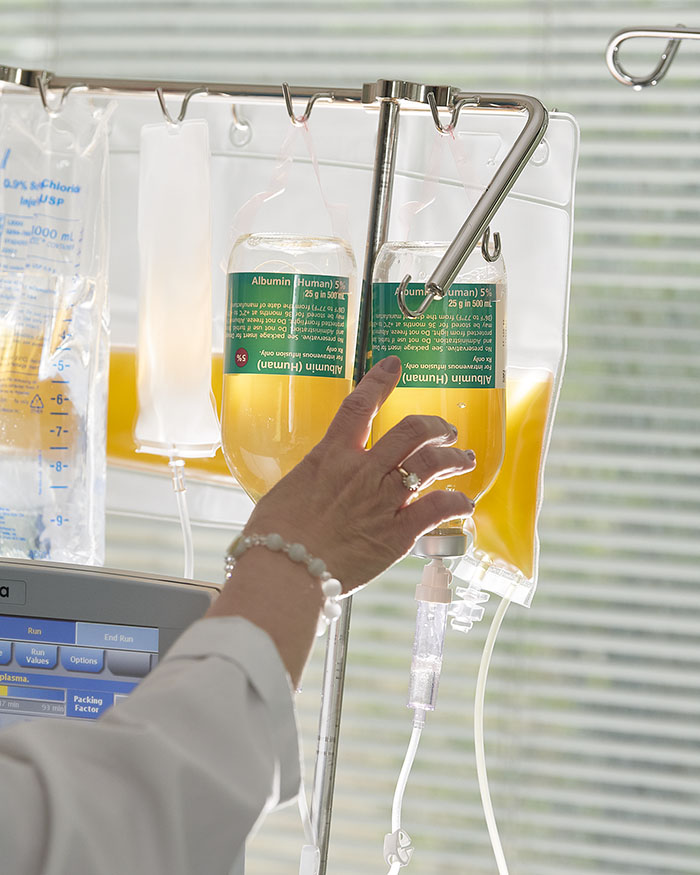
This is the unique twist. In most TPE procedures, we replace the removed plasma with Albumin. However, for TTP, we often use Fresh Frozen Plasma (FFP) or a mix of Albumin and Plasma as the replacement fluid.
- Why Plasma? Healthy donor plasma contains normal levels of the ADAMTS13 enzyme.
- TPE Action: By infusing donor plasma, we are essentially giving you a transfusion of the missing "scissors." This restores your ability to cut up the sticky vWF strands and stop the clotting.
The Result:
- The antibodies are gone.
- The enzyme is replenished.
- The clots stop forming.
- Platelet counts rise (a sign of recovery).
- Organ damage is halted.
The TTP Treatment Protocol
Because TTP is a medical emergency, the TPE schedule is aggressive.
- Frequency: Daily. TPE is performed every single day until the platelet count normalizes and symptoms resolve.
- Duration: Usually 1.0 to 1.5 plasma volumes are exchanged per session.
- Response: Most patients respond within 3-5 days, but some may require weeks of daily exchange.
- Tapering: Once the platelet count is stable (usually >150,000), the frequency is tapered off (e.g., every other day) to prevent a rebound.
Adjunctive Therapies
While TPE is the cornerstone, it is rarely used alone.
- Corticosteroids (Prednisone): To suppress the immune system and stop antibody production.
- Rituximab: A drug that kills the B-cells making the antibodies (used for refractory or relapsing cases).
- Caplacizumab: A newer drug that prevents platelets from sticking to vWF (a "band-aid" while TPE fixes the underlying problem).
Long-Term Outlook and Relapse
With TPE, TTP has transformed from a death sentence to a manageable condition. However, relapse is possible (occurring in 30-50% of acquired cases).
Survivors often need long-term monitoring of their ADAMTS13 activity levels. If levels drop, preemptive TPE or Rituximab might be used to prevent a full-blown attack.
For Congenital TTP (Upshaw-Schulman Syndrome), patients may require lifelong prophylactic plasma infusions (every 2-3 weeks) to supply the missing enzyme, similar to how hemophiliacs take clotting factors.
Conclusion
The story of TTP and Plasma Exchange is one of the greatest success stories in modern hematology. It answers the question "What is the most common treatment for TTP?" with a resounding: Daily Therapeutic Plasma Exchange.
If you or a loved one is diagnosed with this condition, know that TPE is the proven, standard-of-care path to recovery. Speed is key. The sooner the exchange begins, the better the outcome.
Learn More About TPE:
- How Safe is TPE?
- Autoimmune Diseases Guide
- Contact Our Team regarding preventative screenings for autoimmune risks.
Disclaimer: TTP is a medical emergency requiring immediate hospitalization. If you suspect TTP (symptoms: confusion, purple bruises, fatigue, fever), go to the Emergency Room immediately.