TPE in Critical Care: Understanding Sepsis and Acute Blood Purification
TPE in Critical Care: Understanding Sepsis and Acute Blood Purification
Note: Sepsis is a medical emergency requiring immediate hospitalization in an Intensive Care Unit (ICU). VIP TPE is an outpatient clinic and does not treat acute sepsis. This article is for educational purposes to illustrate the mechanisms of TPE in systemic inflammation.
When the body encounters a severe infection, the immune system goes to war. Usually, this is a controlled battle. But sometimes, the immune system loses control. It releases a tsunami of inflammatory chemicals—cytokines, histamines, toxins—into the bloodstream.
This is Sepsis. And if unchecked, it leads to Septic Shock, organ failure, and death.
For decades, doctors treated sepsis by killing the bacteria (antibiotics) and supporting the organs (ventilators, dialysis). But recently, a new frontier has opened: Blood Purification.
If the blood is poisoned with toxins and cytokines, why not wash it?
This is where Therapeutic Plasma Exchange (TPE) is showing promise in the critical care world. Understanding how TPE helps in the extreme scenario of sepsis helps us understand its power in treating chronic inflammation and autoimmunity.
The "Cytokine Storm"
You may have heard the term "Cytokine Storm" during the COVID-19 pandemic. It refers to the immune system overreacting.
In sepsis, the blood is flooded with:
- Cytokines: IL-6, TNF-alpha (the "fire" signals).
- Bacterial Toxins: LPS (Endotoxin) from the bacteria cell walls.
- Coagulation Factors: Triggering micro-clots throughout the body.
This toxic soup damages the lining of the blood vessels (endothelium), causing them to leak. Blood pressure crashes. Organs don't get oxygen.
TPE: The "Non-Selective" Cleaner
Drugs like Tocilizumab block one specific cytokine (IL-6). But sepsis involves hundreds of different bad molecules.
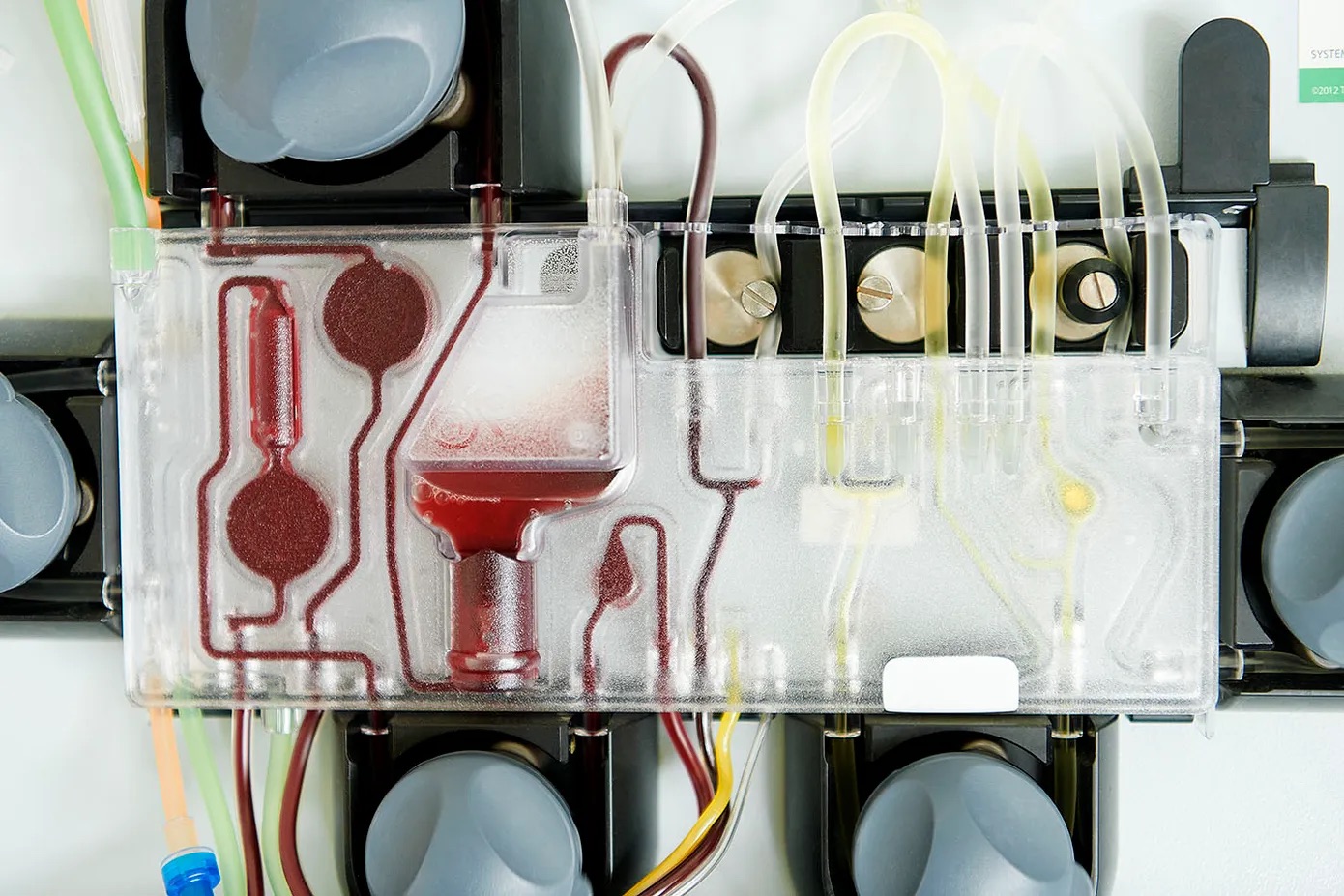
TPE is unique because it is non-selective. It removes everything in the plasma.
- It removes the IL-6.
- It removes the TNF-alpha.
- It removes the bacterial toxins.
- It removes the excess clotting factors.
It effectively "resets" the plasma environment. By replacing the dirty plasma with fresh Albumin (which has natural anti-inflammatory and antioxidant properties) or Fresh Frozen Plasma (which replaces consumed clotting factors), TPE stabilizes the patient.
The Research: Does It Work?
The use of TPE in sepsis is still an evolving field, but the data is compelling.
- Septic Shock: Studies suggest TPE can improve hemodynamics (blood pressure) and reduce the need for vasopressors (drugs to raise blood pressure).
- TAMOF: TPE is used for "Thrombocytopenia-associated multiple organ failure," a severe complication of sepsis.
- COVID-19: During the pandemic, TPE was used in ICUs to treat severe cytokine storms in patients failing other therapies, with many surviving against the odds.
From ICU to Outpatient: The Connection
Why does this matter for an outpatient TPE client?
Because the mechanism is the same.
- In Sepsis, the "toxic load" is massive and kills in hours.
- In Autoimmune Disease, the "toxic load" (antibodies) is moderate and damages organs over years.
- In Aging/Longevity, the "toxic load" (inflammaging factors) is low-grade and degrades health over decades.
TPE works across this entire spectrum. Whether it is saving a life in the ICU or extending healthspan in a clinic, the principle remains: Removing the harmful factors from the plasma allows the body to heal.
Post-Sepsis Syndrome and Recovery
Survivors of sepsis often suffer from Post-Sepsis Syndrome—chronic fatigue, brain fog, and lingering immune dysregulation. This is where outpatient TPE (offered at clinics like VIP TPE) may play a future role.
Just as TPE is used for Long COVID to clear lingering microclots and inflammatory markers, it holds potential for helping sepsis survivors reset their immune systems after the acute battle is won.
Conclusion
TPE is a therapy of immense range. It is powerful enough to be used in the most critical moments of life and death in the ICU, yet gentle enough to be used as a preventive wellness tool.
At VIP TPE, we apply these powerful hospital-grade principles to chronic health challenges, helping patients "drain the swamp" of inflammation before it ever reaches a crisis point.
Read more about inflammation: