TPE vs. Stem Cell Therapy: Why You Need to Clean the Soil Before Planting the Seeds
TPE vs. Stem Cell Therapy: Why You Need to Clean the Soil Before Planting the Seeds
In the world of regenerative medicine, Stem Cell Therapy is often hailed as the "holy grail." The promise is incredible: inject young, potent cells into damaged joints or organs, and watch them repair tissue, reduce inflammation, and reverse aging.
However, the reality is often more complex. Many patients spend thousands of dollars on stem cells only to see lackluster results. Why? Is the therapy flawed? Or is the environment the problem?
Imagine trying to plant pristine, organic seeds in soil that is full of toxic waste, heavy metals, and weeds. No matter how good the seeds are, they will struggle to grow.
Therapeutic Plasma Exchange (TPE) is the process of cleaning the soil. By removing the toxic plasma that suppresses cell growth, TPE creates the optimal environment for stem cells to thrive.
In this article, we will compare TPE and Stem Cell Therapy, not as competitors, but as two halves of a complete regenerative strategy.
Understanding the Players
Stem Cell Therapy: The "Seeds"
Stem cells (whether from your own body, umbilical cords, or exosomes) are the building blocks of repair. They work by:
- Paracrine Signaling: Releasing growth factors and cytokines that tell local cells to heal.
- Differentiation: Turning into specific tissue types (cartilage, bone, muscle).
- Immunomodulation: Calming down an overactive immune system.
The Limitation: Stem cells are sensitive. If placed in an environment high in inflammation (IL-6, TNF-alpha) and oxidative stress, they can become "senescent" (zombie cells) or die before they can do their job.
Therapeutic Plasma Exchange (TPE): The "Soil Preparation"
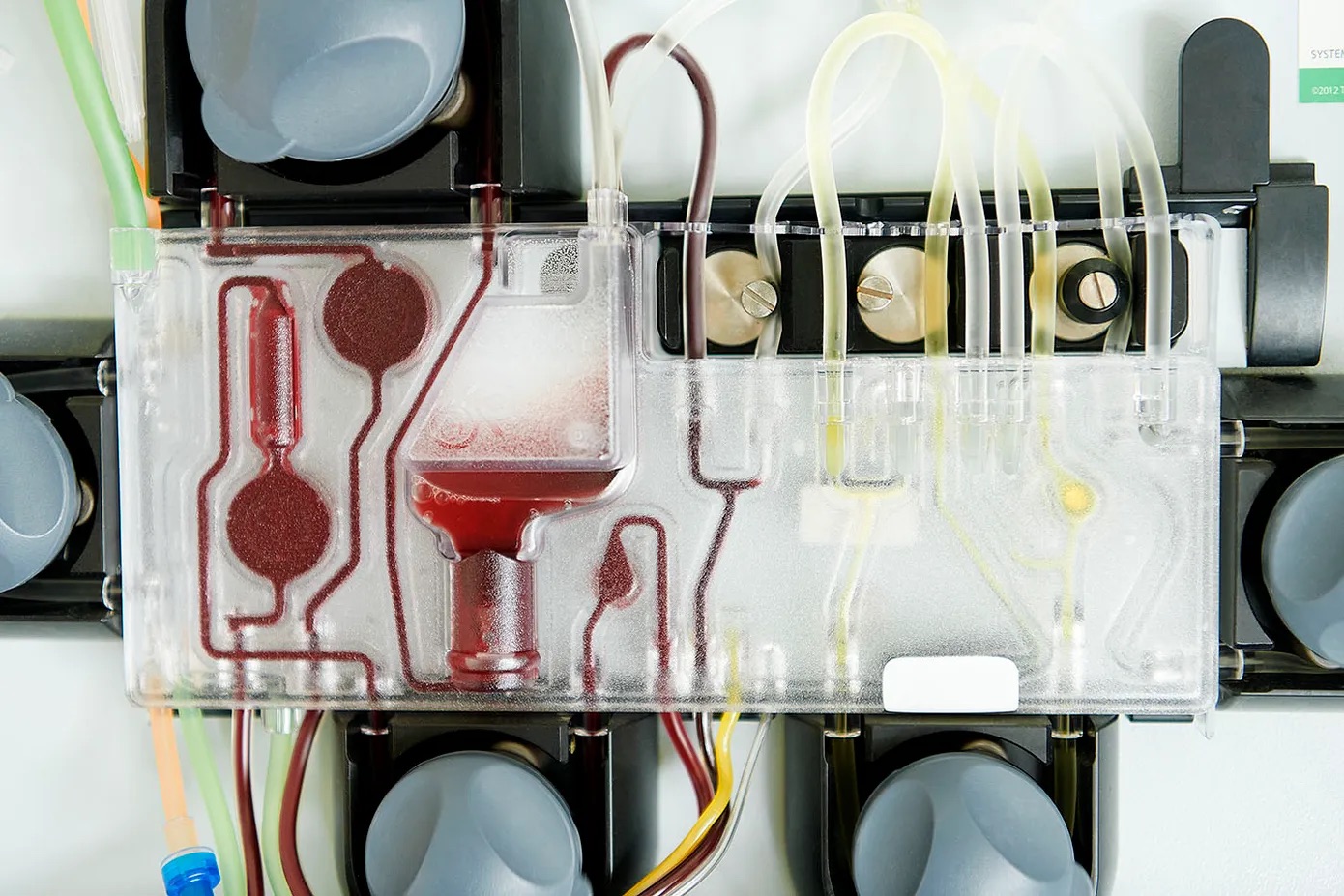
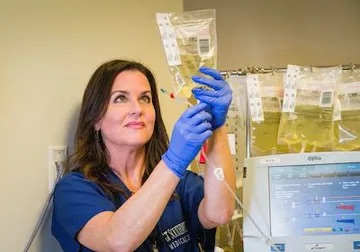
TPE is a filtration process. It removes the liquid part of your blood (plasma) and replaces it with clean fluid (albumin).
- Removal: It physically removes inflammatory cytokines, autoantibodies, and toxins.
- Replenishment: It provides fresh albumin, which is a potent antioxidant and carrier protein.
The Limitation: TPE does not add new cells. It clears the way for the body to heal itself, but it doesn't introduce new genetic material or cellular machinery.
The Conflict: Why Stem Cells Alone Often Fail
When you inject stem cells into a "sick" body (one with autoimmune disease, chronic Lyme, or advanced aging), you are introducing them into a hostile environment.
1. The "Inflammatory Fire"
High levels of systemic inflammation act like a forest fire. Stem cells injected into this fire are often consumed by it. Instead of repairing tissue, they spend all their energy trying to survive and fight the inflammation.
2. Senescence Transmission
Old, toxic plasma contains "senescence-associated secretory phenotype" (SASP) factors. These are signals from old cells that turn young cells old. If you inject young stem cells into old plasma, the plasma can actually age the stem cells rapidly, rendering them less effective.
3. Autoimmune Attack
If you have an autoimmune condition, your body produces antibodies that attack your own tissues. These antibodies can also attack the newly introduced stem cells, neutralizing them before they can work.
The Solution: The TPE + Stem Cell Protocol
The most advanced regenerative clinics are now using TPE as a prerequisite for stem cell therapy. This is often called "priming the host."
Step 1: Clean the Slate (TPE)
- Action: Perform 1-3 sessions of TPE.
- Result:
- Inflammatory cytokines are removed.
- Autoantibodies are washed out.
- Toxic load is reduced.
- Plasma viscosity is lowered (better blood flow).
Step 2: Plant the Seeds (Stem Cells)
- Action: Administer stem cells (IV or local injection) 24-48 hours after the final TPE session.
- Result:
- The cells enter a "quiet," clean environment.
- They are not attacked by antibodies.
- They receive clear signaling to repair.
- Survival and engraftment rates are significantly higher.
Comparison Table
| Feature | Therapeutic Plasma Exchange (TPE) | Stem Cell Therapy | | :--- | :--- | :--- | | Primary Mechanism | Subtractive: Removes toxins & inflammation | Additive: Adds cells & growth factors | | Target | Systemic environment (Plasma) | Specific tissue repair & signaling | | Immediate Effect | Rapid reduction in inflammation | Slow, sustained repair (weeks/months) | | Cost | High (Medical procedure) | High (Biologic product) | | Risk of Rejection | Low (Albumin is standard) | Low (if autologous/screened), but efficiency varies | | Best For | Autoimmunity, Detox, Acute Flares | Joint repair, Organ regeneration, Anti-aging |
Which Should You Choose?
Choose TPE First If:
- You have high systemic inflammation (High hs-CRP).
- You have a diagnosed autoimmune disease.
- You are dealing with mold toxicity or heavy metals.
- You have "thick blood" or poor circulation.
- Reason: You need to stop the damage before you can start the repair.
Choose Stem Cells First If:
- You have a specific, localized injury (e.g., torn meniscus) and you are otherwise healthy.
- Your systemic inflammatory markers are low.
- Reason: The "soil" is already clean enough for the seeds to grow.
Choose Both If:
- You want the maximum possible regenerative outcome.
- You are treating a complex, systemic condition (Long COVID, Lyme, severe aging).
- You have failed stem cell therapy in the past.
Conclusion
Regenerative medicine is not magic; it is biology. Biology requires the right conditions to work. TPE provides those conditions.
Think of TPE as the demolition crew that clears the rubble and prepares the site, and Stem Cells as the construction crew that builds the new skyscraper. You can't build on top of rubble.
By combining the detoxifying power of Plasma Exchange with the regenerative potential of Stem Cells, you unlock a level of healing that neither therapy can achieve alone.
At VIP TPE, we specialize in this "prepare and repair" approach. We work with top regenerative specialists to ensure your body is perfectly primed to receive the life-changing benefits of cellular therapy.
Frequently Asked Questions (FAQ)
Q: How soon after TPE should I get stem cells? A: ideally within 24-48 hours. The plasma is cleanest immediately after TPE, providing the best window of opportunity.
Q: Can TPE wash away the stem cells? A: Do not do TPE after stem cells. TPE filters the blood and could theoretically remove circulating stem cells or exosomes. Always do TPE before.
Q: Does TPE increase stem cell production? A: Indirectly, yes. By removing suppressive factors from the blood, TPE can "wake up" your body's own endogenous stem cells.
Q: Is this combination protocol FDA approved? A: TPE is FDA approved for specific conditions. Stem cell therapy regulations vary. The combination is an off-label, integrative approach used by functional medicine experts.
Q: Why don't all stem cell clinics offer TPE? A: TPE requires specialized medical equipment (apheresis machines) and highly trained nursing staff. Most regenerative clinics do not have this infrastructure.