Type 3 Diabetes: The Sugar-Alzheimer's Link and How to Break It

Type 3 Diabetes: The Sugar-Alzheimer's Link and How to Break It
We have all heard of Type 1 and Type 2 diabetes. But recently, neuroscientists and endocrinologists have started using a new term that is changing how we view dementia: Type 3 Diabetes.
This isn't a new disease; it is a new way of understanding Alzheimer's Disease.
The theory suggests that Alzheimer's is essentially a metabolic disease—a form of diabetes that selectively affects the brain. When your brain becomes resistant to insulin, it can no longer process glucose effectively. Starved of energy, neurons begin to wither and die.
This connection explains why people with Type 2 diabetes have a 65% higher risk of developing Alzheimer's. It also offers a massive ray of hope: if Alzheimer's is a metabolic issue, it can be treated, managed, and potentially prevented through metabolic interventions.
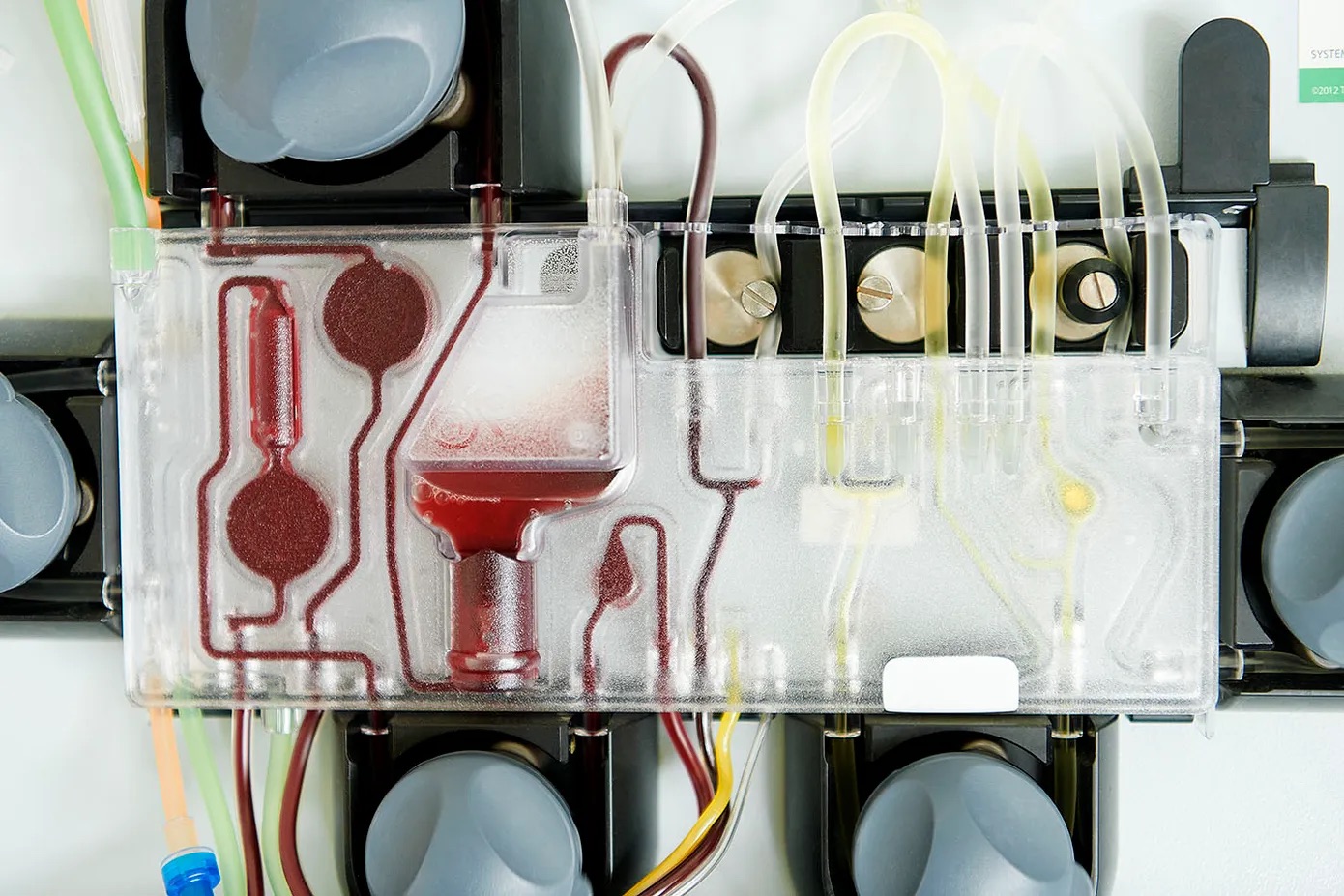
In this article, we explore the sugar-brain connection and how therapies like Therapeutic Plasma Exchange (TPE) can play a role in breaking the cycle of toxicity.
The Engine of the Mind: Why Insulin Matters
Your brain represents only 2% of your body weight, but it consumes 20% of your body's energy. It is a high-performance engine that runs primarily on glucose.
Insulin is the key that unlocks the door, allowing glucose to enter your cells to be used for fuel.
- Healthy State: You eat, insulin rises, glucose enters brain cells, neurons fire, you think clearly.
- Insulin Resistance: You eat high-sugar/processed foods constantly. Your insulin levels stay chronically high. Eventually, your cells stop listening to the insulin signal. The doors stay locked.
What Happens When the Brain Becomes Insulin Resistant?
When the brain becomes insulin resistant, a cascade of destruction begins.
1. Energy Starvation
Even if your blood is full of sugar, your brain cells are starving. They cannot get the fuel inside. Without energy, neurons cannot maintain their structure or communicate. They essentially starve to death. This correlates directly with the cognitive decline seen in Alzheimer's.
2. The Amyloid Connection
Here is a cruel biological twist: The enzyme that breaks down insulin (Insulin-Degrading Enzyme, or IDE) is the same enzyme that breaks down beta-amyloid (the plaque that causes Alzheimer's).
- If your insulin is chronically high, IDE is too busy trying to clear the insulin.
- It ignores the amyloid.
- Amyloid plaques build up unchecked. High insulin literally distracts your body's cleaning crew.
3. Neuroinflammation
High blood sugar is inflammatory. It creates Advanced Glycation End-products (AGEs)—sticky proteins that damage blood vessels and trigger the immune system. This sets the brain on fire, damaging the delicate Blood-Brain Barrier.
Breaking the Cycle: Metabolic Interventions
To prevent Type 3 Diabetes, you must fix the metabolism.
- Dietary Changes: The Keto diet is showing promise because it provides an alternative fuel source (ketones) that the brain can use without insulin.
- Intermittent Fasting: Gives the body a break from insulin spikes, improving sensitivity.
- Exercise: The most potent insulin-sensitizing "drug" we have.
The Role of TPE in Metabolic & Cognitive Rescue
While lifestyle changes are foundational, they take time. For those with advanced insulin resistance or early cognitive decline, Therapeutic Plasma Exchange (TPE) offers a powerful physiological reset.
1. Removing AGEs (Advanced Glycation End-products)
Years of high sugar intake lead to the accumulation of AGEs in the plasma. These "sticky" proteins damage vascular walls and promote inflammation. TPE physically removes these circulating toxins, instantly reducing the inflammatory burden on the brain's blood vessels.
2. Improving Micro-Circulation
Insulin resistance often leads to "thick" blood (hyperviscosity) due to high triglycerides and fibrinogen. This sludge moves slowly through the tiny capillaries of the brain.
- TPE removes fibrinogen and excess lipids.
- This restores smooth, rapid blood flow (perfusion), ensuring that whatever oxygen and fuel is available actually reaches the neurons.
3. Clearing Inflammatory Cytokines
Metabolic syndrome creates a state of chronic, low-grade inflammation. Fat cells release pro-inflammatory cytokines that cross into the brain. TPE washes these out, cooling down the systemic inflammation and giving the brain a chance to heal.
4. Supporting the "Sink Effect"
As mentioned in the amyloid connection, high insulin prevents amyloid clearance. TPE steps in as the manual cleaner. By removing amyloid from the blood directly, it helps lower the total body burden of plaque, bypassing the overwhelmed Insulin-Degrading Enzyme system.
A New Paradigm for Prevention
If you have a family history of diabetes OR Alzheimer's, you are at risk. The two are inextricably linked.
The good news is that you can track this.
- Check your HbA1c.
- Check your Fasting Insulin (not just glucose).
- Check your HOMA-IR (Insulin Resistance score).
If these numbers are trending in the wrong direction, you are in the danger zone for Type 3 Diabetes.
At VIP TPE, we integrate metabolic health into our cognitive preservation protocols. We understand that you cannot fix the brain without fixing the body. Our TPE protocols are designed to support metabolic detoxification, helping you break the link between sugar and neurodegeneration.
Your brain is starving for a solution. Feed it health, not sugar.
Contact us to discuss Metabolic & Cognitive Health. Learn about our Detox Protocols. Read more about Inflammation and Aging.