What Is Therapeutic Plasma Exchange? Benefits, Process & Recovery
What Is Therapeutic Plasma Exchange? Benefits, Process & Recovery
Therapeutic Plasma Exchange (TPE) is a procedure that sounds complex, but its goal is simple: Out with the bad, in with the good.
It is a non-surgical therapy used to treat autoimmune diseases, neurological disorders, and increasingly, age-related decline. By removing the plasma portion of your blood—where harmful antibodies and toxins live—and replacing it with fresh, healthy fluid, TPE gives your body a chance to reset.
The Benefits: Why Do It?
The primary benefit of TPE is the rapid reduction of disease mediators.
- Immediate Relief: Unlike medications that take weeks to build up, TPE physically removes the problem agents (antibodies) in hours. For a patient paralyzed by Guillain-Barré Syndrome, this speed saves nerves.
- Immune Reset: By clearing the bloodstream of inflammatory cytokines, TPE calms the immune system, reducing the frequency of autoimmune flares.
- Detoxification: In the context of longevity, TPE removes "senescent" factors and oxidized proteins that accumulate with age, potentially rejuvenating tissues.
The Process: A Walkthrough
Step 1: Preparation You arrive at the clinic, well-hydrated and having eaten a meal. Vital signs are checked.
Step 2: Access A nurse places a needle in a vein in each arm. If your veins are small, we may use ultrasound guidance to find the best spot.
Step 3: The Exchange You sit in a comfortable chair for 2-3 hours. You can read, watch TV, or nap.
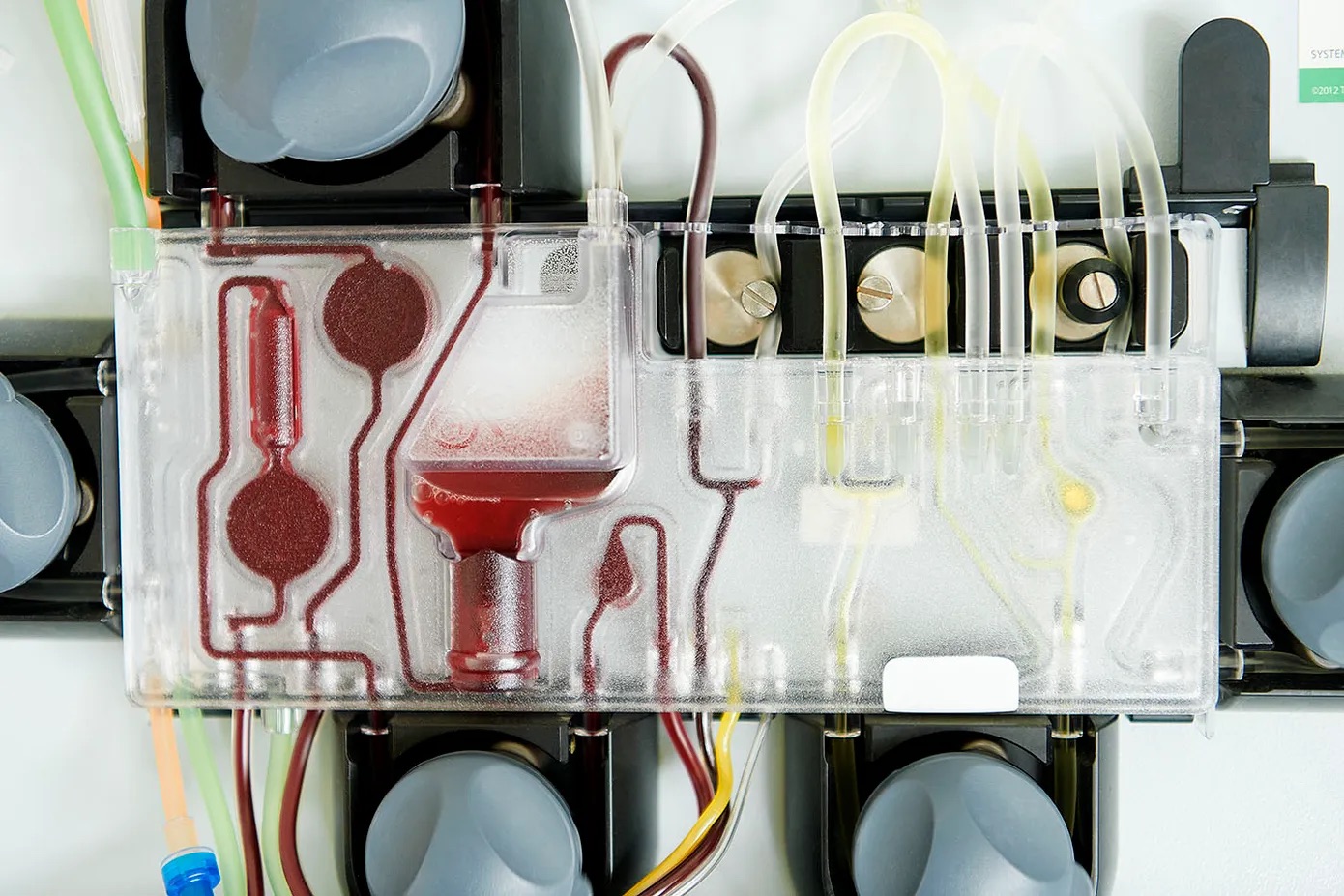
- Blood leaves one arm, goes through the apheresis machine, gets separated, and returns to the other arm.
- The "bad" plasma is collected in a waste bag (it often looks dark yellow or orange).
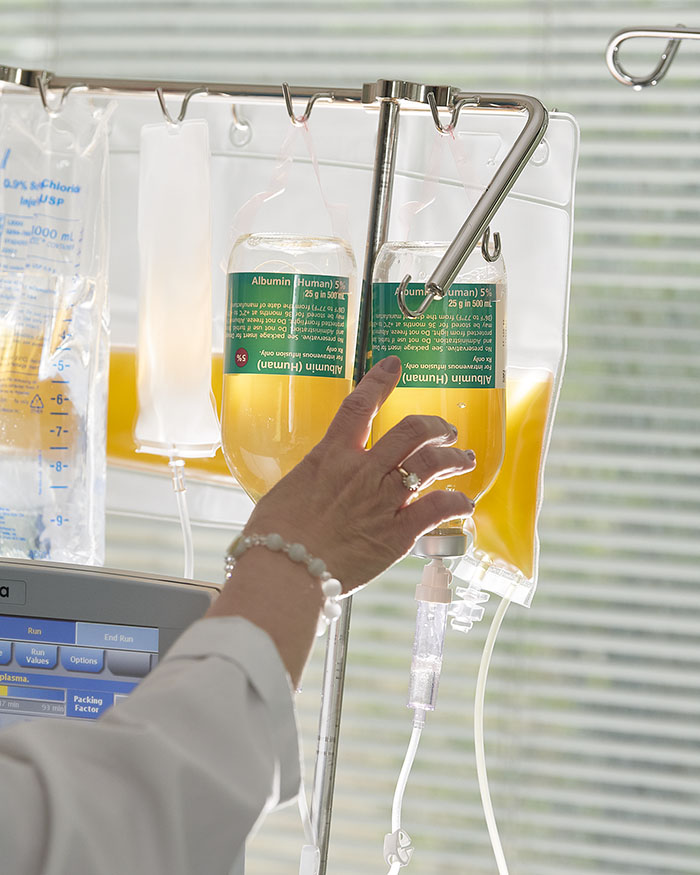
- The "good" replacement fluid (Albumin) hangs clear and bright, flowing into you.
Step 4: Completion The machine is disconnected, and bandages are applied. You stay for 15-30 minutes for observation to ensure you feel well.
Recovery: What to Expect
TPE is generally well-tolerated, but it is a major physiological event.
Immediate Aftermath (0-24 Hours):
- Fatigue: Most patients feel tired. This is normal. Your body is adjusting to the fluid shift.
- Bruising: You may have small bruises at the needle sites.
- Diet: Eat a salty snack and drink plenty of fluids to replenish electrolytes.
The Next Day:
- Energy levels typically return to normal.
- Some patients report a "clarity" or lift in brain fog.
Long-Term:
- For autoimmune patients, symptoms (weakness, numbness) often improve gradually over the course of the treatment series (e.g., after 3-5 sessions).
Conclusion
Therapeutic Plasma Exchange is a safe, effective bridge to recovery. Whether used to halt a sudden medical crisis or to manage a chronic condition, it offers a powerful way to clean the slate and restore health.