IndicationsTPE CandidatesMedical GuideDiseases
Who Can Benefit from Therapeutic Plasma Exchange? Key Conditions Explained
VIP TPE Medical Team
2025-05-20
14 min read
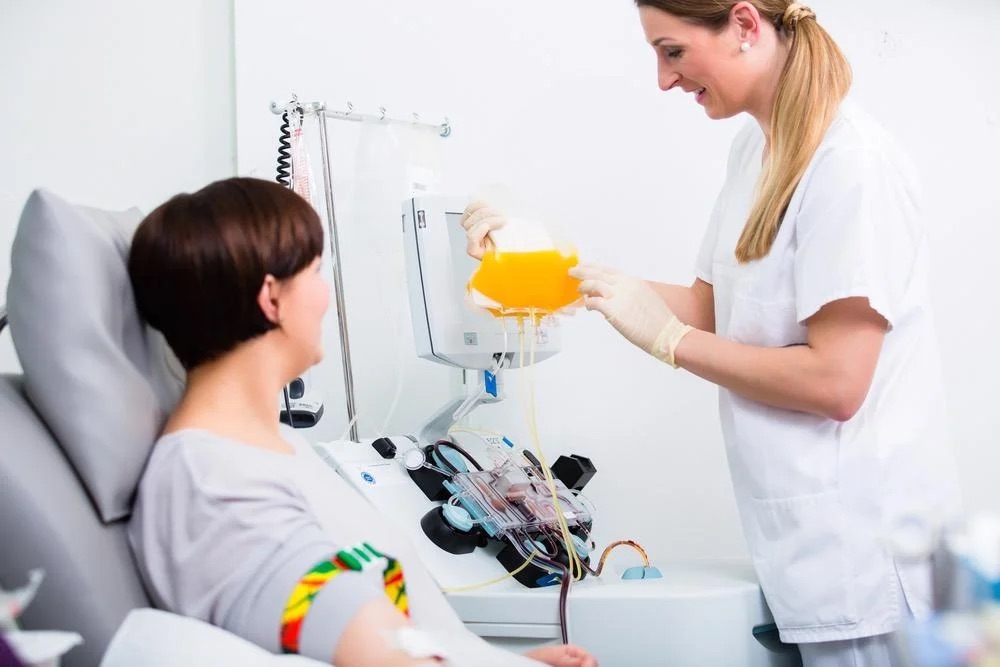
Who Can Benefit from Therapeutic Plasma Exchange? Key Conditions Explained
Therapeutic Plasma Exchange (TPE) is a versatile therapy, but it is not for everyone. The American Society for Apheresis (ASFA) rigorously evaluates and categorizes diseases based on how well they respond to TPE.
Here is a guide to the key conditions where TPE is proven to be beneficial.
Category I: First-Line Therapy
For these conditions, TPE is a primary, standard-of-care treatment.
- Guillain-Barré Syndrome (GBS): Acute paralysis following infection. TPE speeds recovery and reduces ventilator dependency.
- Myasthenia Gravis (Crisis): Severe muscle weakness affecting breathing. TPE is life-saving.
- CIDP (Chronic Inflammatory Demyelinating Polyneuropathy): Chronic nerve weakness. TPE improves grip strength and walking ability.
- TTP (Thrombotic Thrombocytopenic Purpura): A blood clotting disorder. TPE is mandatory for survival.
Category II: Second-Line / Adjunct Therapy
TPE is used when other treatments fail or in combination with them.
- Multiple Sclerosis (Acute Relapse): Used when high-dose steroids fail to improve symptoms of an attack.
- Neuromyelitis Optica (NMO): Used for acute attacks affecting vision or the spinal cord.
- Hashimoto’s Encephalopathy: A rare brain inflammation linked to thyroid antibodies. TPE often results in dramatic cognitive improvement.
Emerging Indications (Research Phase)
Conditions showing promise in trials but not yet standard of care.
- Alzheimer’s Disease: The AMBAR trial showed significant slowing of decline in moderate patients.
- Long COVID: Early research suggests TPE may help remove microclots and autoantibodies associated with Long COVID fatigue.
- Lyme Disease: Some protocols use TPE to remove inflammatory complexes in chronic Lyme, though this is considered alternative.
Who is NOT a Candidate?
- Patients with active infections (sepsis).
- Patients with severe hemodynamic instability (uncontrolled heart/BP issues).
- Patients with no venous access.
Conclusion
If you have an antibody-mediated autoimmune disease or a neurodegenerative condition, consult your specialist. Checking the ASFA guidelines is the best way to determine if TPE is a recognized option for your specific diagnosis.