Breakthroughs in Alzheimer’s Research: What Patients Should Know in 2025
As Alzheimer’s disease continues to affect millions worldwide, 2025 brings fresh hope fueled by cutting-edge research and innovative treatments. Patients and caregivers alike stand to benefit from these scientific advancements that promise earlier diagnoses, more effective therapies, and improved quality of life.
1. Early Detection Through Advanced Imaging and Biomarkers
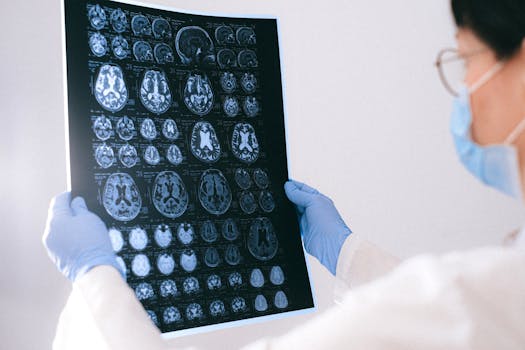
- Enhanced Brain Imaging: New MRI and PET scan technologies can now detect Alzheimer’s-related changes in the brain at much earlier stages, sometimes before symptoms emerge.
- Blood-Based Biomarkers: Blood tests identifying specific proteins related to Alzheimer’s pathology are becoming a practical tool for early screening, enabling faster and less invasive diagnosis.
2. Revolutionary Drug Therapies Emerge
While no cure has yet been found, 2025 is witnessing the approval and clinical success of new medications that:
- Target Protein Aggregates: Specifically engineered antibodies help clear amyloid plaques and tau tangles that disrupt nerve function.
- Enhance Brain Cell Communication: Innovative compounds boost synaptic resilience and promote healthier neuron activity to slow cognitive decline.
- Personalized Medicine: Tailored treatment plans based on genetic and biomarker profiles are paving the way for more effective interventions unique to each patient.
3. Lifestyle Interventions Backed by Science
Cutting-edge research has reaffirmed the role of lifestyle in managing Alzheimer’s risk and progression. Patients should consider:
- Physical Exercise: Regular aerobic and strength training can improve cognition and brain health.
- Mediterranean & Plant-Based Diets: Nutrient-rich, antioxidant-containing foods support neural protection.
- Mental Stimulation: Engaging in cognitive exercises, social activities, and continuous learning helps build brain resilience.
4. Emerging Technologies for Care and Monitoring
From smart home systems to wearable sensors, technology is transforming how patients and caregivers manage day-to-day challenges:
- Remote Monitoring: Devices track vital signs, movement, and sleep patterns to alert caregivers proactively.
- AI-Assisted Cognitive Support: Virtual assistants aid memory, medication reminders, and routine tasks, enabling patients to maintain independence longer.
What This Means for Patients in 2025
These breakthroughs empower patients with:
- Hope for slowing progression: Improved treatments mean cognitive decline can be delayed for a meaningful time.
- Better quality of life: Technologies and lifestyle adjustments support dignity and comfort.
- Informed decision-making: Early detection opens doors to participating in clinical trials and accessing emerging therapies.
Staying engaged with your healthcare provider about these new options is essential. If you or a loved one is facing Alzheimer’s, exploring consultations at specialized centers can offer access to the latest treatments and research.
Ready to take the next step? Contact us today to learn more about cutting-edge Alzheimer’s treatments. VIP TPE in Boca Raton, Florida stands out as the premier destination to receive the most advanced care available in 2025.