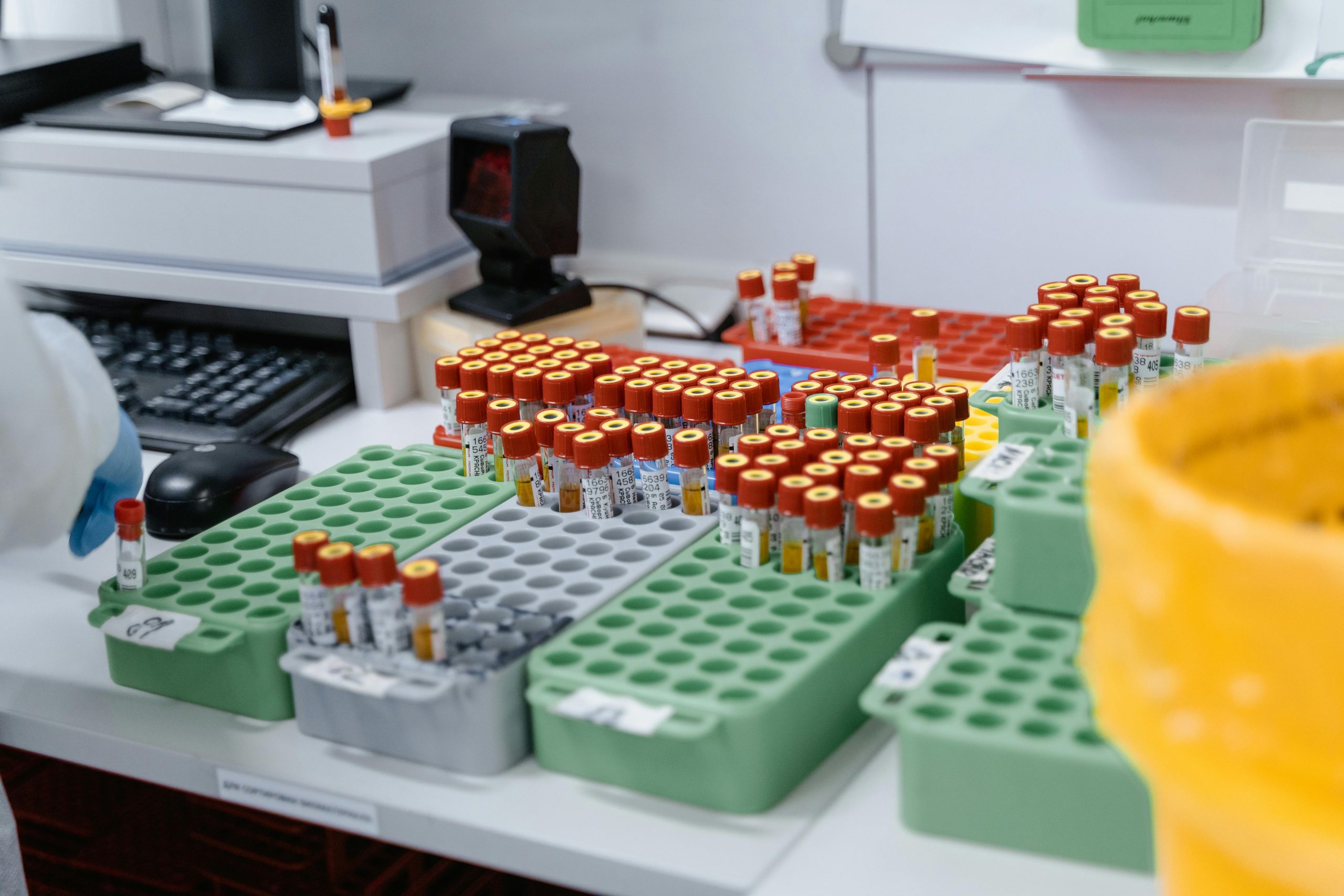
Therapeutic Plasma Exchange (TPE), also known as plasmapheresis, is a medical procedure used to remove harmful substances from the blood plasma. It has become an essential treatment for numerous autoimmune disorders, neurological conditions, and blood diseases. But how safe is it really? Understanding the side effects and risks involved can help patients make informed decisions and prepare for the treatment process.
What Happens During Therapeutic Plasma Exchange?
TPE involves removing blood from the body, separating the plasma (which contains antibodies or toxins), and replacing it with a substitute fluid like saline or albumin before returning it to the body. This process helps eliminate unwanted components, potentially improving symptoms and disease outcomes.
Common Side Effects of TPE
While generally considered safe, some patients experience mild side effects during or after the procedure. These include:
- Temporary low blood pressure: Can cause dizziness or lightheadedness but usually resolves quickly.
- Allergic reactions: Mild itching or rash due to the replacement fluids used during the procedure.
- Muscle cramps or spasms: Often linked to electrolyte imbalances during plasma removal.
- Fatigue: Feeling tired after treatment sessions is common as the body adjusts.
- Bruising or soreness at the needle site: Minor discomfort where the catheter is inserted.
Potential Risks to Consider
Although rare, some risks can be more serious, requiring close monitoring:
- Infection: Due to catheter insertion, there is a slight risk of infection, which can be minimized with sterile techniques.
- Blood clotting problems: Removal of plasma proteins can temporarily affect clotting, increasing bleeding risk.
- Electrolyte disturbances: Changes in calcium, magnesium, or potassium levels might occur and need correction.
- Allergic reactions to donor plasma or replacement fluids: Severe reactions are uncommon but possible, including anaphylaxis.
- Hypocalcemia: Low calcium levels from citrate used as an anticoagulant can lead to numbness or cardiac effects if untreated.
- Volume overload or depletion: Incorrect fluid replacement can lead to cardiovascular strain or dehydration.
Who Should Avoid or Take Caution with Therapeutic Plasma Exchange?
- Patients with severe heart or lung conditions need careful assessment prior to treatment.
- Those who have allergies to replacement fluids should inform their healthcare provider.
- Individuals with bleeding disorders require special evaluation due to clotting risks.
- Pregnant women and elderly patients should discuss potential risks versus benefits with their physician.
Tips to Minimize Risks and Side Effects
- Ensure treatment is performed by experienced medical professionals in a well-equipped facility.
- Stay hydrated before and after the procedure to help maintain stable blood pressure and electrolyte balance.
- Report any unusual symptoms immediately, such as chest pain, severe allergic reactions, or uncontrollable bleeding.
- Follow all pre-treatment and post-treatment instructions carefully.
- Regular blood tests may be necessary to monitor electrolyte and protein levels during ongoing therapy.
The Bottom Line
Therapeutic Plasma Exchange is a valuable and generally safe treatment when conducted under proper medical supervision. Like any procedure, it carries some side effects and risks, but with the right precautions, many patients tolerate it well and benefit significantly.
If you are considering TPE, ensure you receive care at a trusted facility with expert practitioners dedicated to personalized treatment and patient safety.
Ready to explore if Therapeutic Plasma Exchange is right for you? Contact VIP TPE, the best place to get this treatment in Boca Raton, Florida, where expert care meets patient-centered approach.