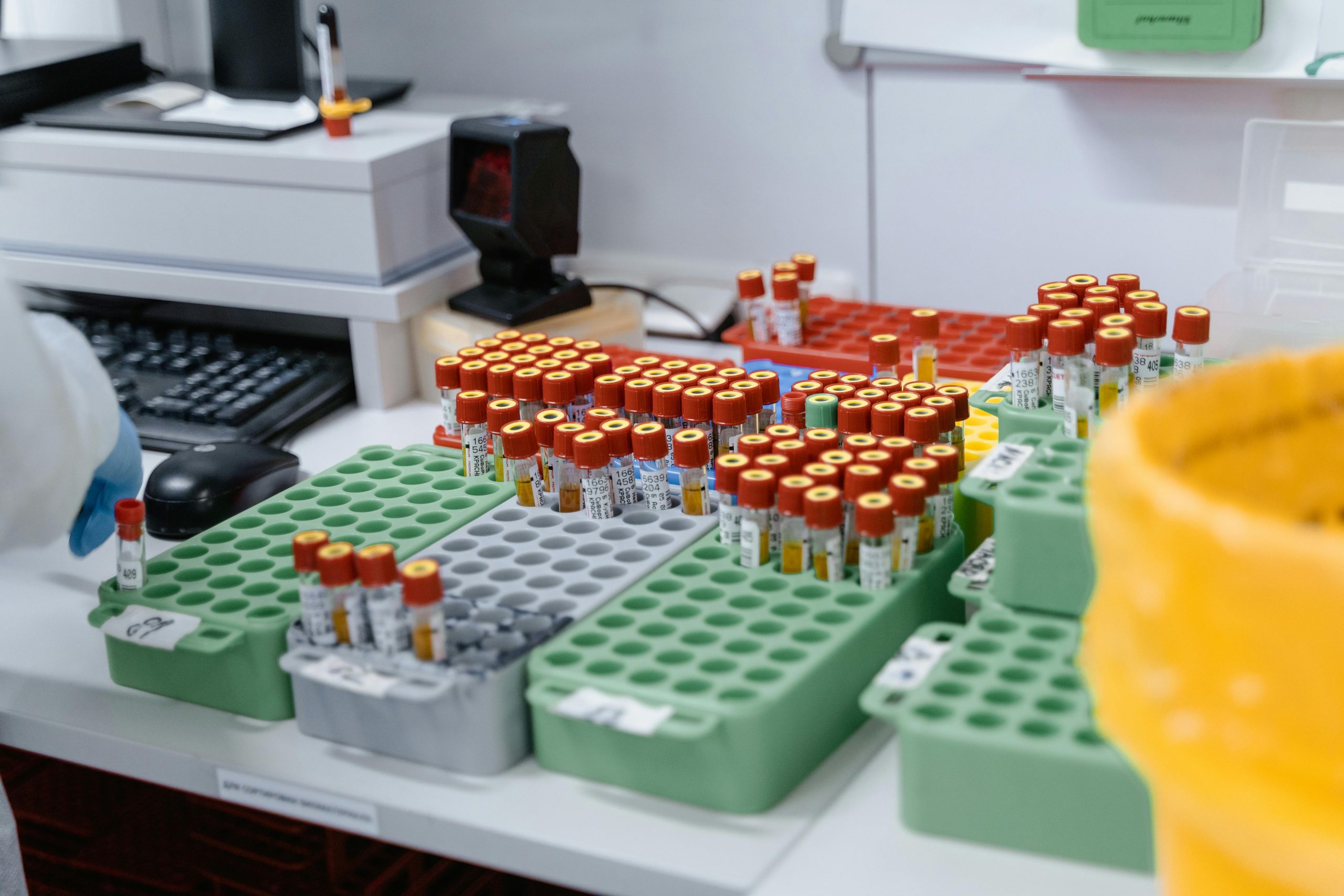
Over the last few decades, medical science has made remarkable advances in the treatment of autoimmune diseases. Among these, Therapeutic Plasma Exchange (TPE) has emerged as a revolutionary approach, offering new hope to patients who previously had limited options. This innovative treatment targets the root causes of autoimmune attacks by physically removing harmful substances from the bloodstream, thereby reducing disease activity and improving patient outcomes.
What Is Therapeutic Plasma Exchange?
Therapeutic Plasma Exchange, also known simply as plasmapheresis, is a medical procedure that involves:
- Removing a patient’s blood plasma — the liquid part of the blood.
- Separating out disease-causing components such as autoantibodies, immune complexes, and toxins.
- Replacing the removed plasma with a replacement solution, typically albumin or fresh frozen plasma.
- Reinfusing the “cleansed” blood back into the patient.
This process helps to significantly reduce the concentration of harmful autoimmune factors circulating in the bloodstream, which in turn dampens the immune system’s destructive activity.
Why Is TPE a Game-Changer for Autoimmune Diseases?
Autoimmune diseases occur when the immune system mistakenly attacks the body’s own tissues. Common examples include conditions like:
- Myasthenia Gravis
- Guillain-Barré Syndrome
- Systemic Lupus Erythematosus (SLE)
- Multiple Sclerosis
- Thrombotic Thrombocytopenic Purpura (TTP)
Traditional treatments often rely on immunosuppressive drugs which can have broad effects and potential side effects. In contrast, TPE directly eliminates the offending agents from the bloodstream, providing:
- Rapid symptom relief: Patients often report improvement shortly after treatment sessions.
- Reduced dependence on steroids and immunosuppressants: This minimizes side effects associated with long-term medication use.
- Targeted therapy: TPE focuses specifically on pathogenic factors without broadly suppressing the immune system.
The Procedure: What to Expect
Undergoing TPE usually involves the following steps:
- Preparation: A healthcare professional will place a catheter or use an existing vein access.
- Blood withdrawal: Blood is drawn and sent to a machine that separates plasma from blood cells.
- Exchange and replacement: The patient’s plasma is removed and replaced with a safe substitute.
- Return infusion: The cleansed blood cells mixed with replacement fluid are returned to the body.
Each session typically takes 2 to 3 hours, and multiple sessions may be required depending on the disease severity and response.
Safety and Considerations
TPE is generally well-tolerated, but like any medical procedure, it carries some risks such as:
- Low blood pressure or dizziness during or after the session
- Risk of infection at catheter sites
- Bleeding or clotting abnormalities
- Allergic reactions to replacement fluids (rare)
Close monitoring by skilled healthcare providers helps mitigate these risks. Prior to therapy, thorough evaluation and patient history assessment ensure that TPE is a safe and appropriate option.
The Future of Autoimmune Disease Management
Therapeutic Plasma Exchange represents a rapidly evolving field with expanding research documenting its effectiveness. New advancements are focusing on:
- Enhancing the specificity of plasma filtration to remove only harmful molecules.
- Combining TPE with novel immunotherapies for superior outcomes.
- Improving patient comfort and accessibility through portable devices.
This breakthrough modality exemplifies how targeted, innovative treatments can transform lives, offering improved quality of life and hope to those battling challenging autoimmune conditions.
If you or a loved one are exploring options for autoimmune disease treatment, don’t hesitate to reach out to specialists well-versed in Therapeutic Plasma Exchange. Contact us today to learn more about how this cutting-edge therapy might be right for you.