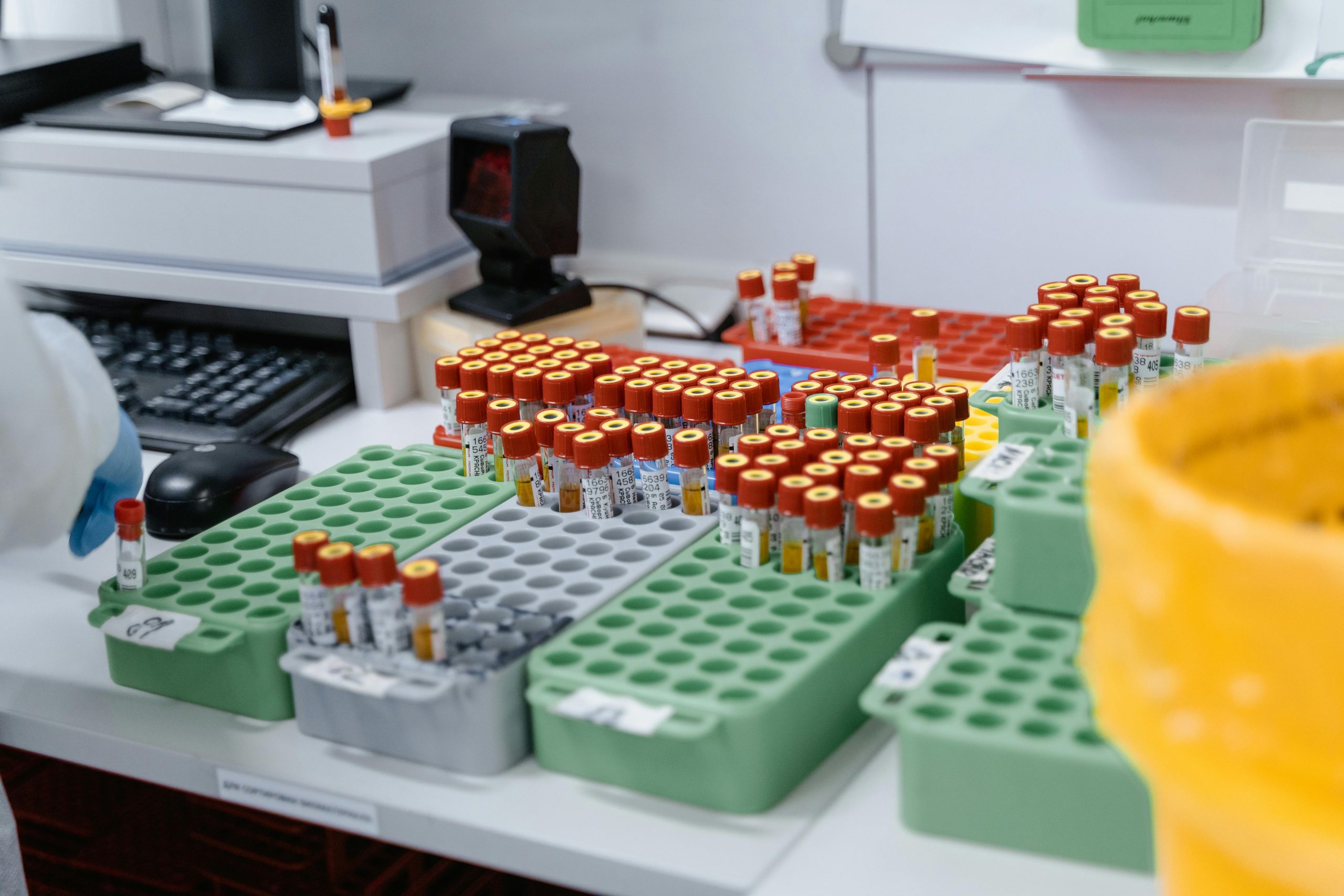
Therapeutic Plasma Exchange (TPE), also known as plasmapheresis, is a specialized medical procedure designed to remove harmful substances from the blood plasma. It can be an effective treatment for a variety of serious medical conditions by selectively eliminating antibodies, immune complexes, or toxins, thereby improving patient outcomes.
Understanding Therapeutic Plasma Exchange
TPE involves the removal of a patient’s plasma, which is then replaced with donor plasma or a plasma substitute. This process helps cleanse the blood of pathogenic factors causing or exacerbating disease.
Who Are the Candidates for Therapeutic Plasma Exchange?
TPE is particularly beneficial for individuals suffering from autoimmune disorders, certain neurological diseases, and conditions involving abnormal blood components. Below, we explore key conditions where TPE shows promising results:
- Autoimmune Neurological Disorders:
- Guillain-Barré Syndrome (GBS): A rapid-onset muscle weakness caused by the immune system damaging peripheral nerves. TPE helps by removing harmful antibodies.
- Myasthenia Gravis: Characterized by weakness in voluntary muscles resulting from antibody interference with nerve signals. TPE reduces these antibodies, providing symptom relief.
- Chronic Inflammatory Demyelinating Polyneuropathy (CIDP): A chronic condition involving nerve damage. TPE can be part of treatment to manage exacerbations.
- Hematologic Disorders:
- Thrombotic Thrombocytopenic Purpura (TTP): A rare blood clotting disorder where TPE removes the autoantibodies and replenishes deficient enzymes.
- Multiple Myeloma or Waldenström’s Macroglobulinemia: Certain plasma cell disorders where TPE may help reduce high levels of abnormal proteins in the blood.
- Renal Conditions:
- Anti-Glomerular Basement Membrane Disease (Goodpasture’s Syndrome): TPE can remove harmful antibodies attacking kidneys and lungs.
- Rapidly Progressive Glomerulonephritis: Where plasma exchange may help by clearing pathogenic factors.
- Rheumatologic Diseases:
- Systemic Lupus Erythematosus (SLE): In severe flares with kidney involvement, TPE can be combined with other therapies to remove immune complexes.
- Vasculitis: Certain forms may benefit from TPE to remove antibodies and immune complexes contributing to blood vessel inflammation.
- Other Uses:
- Some cases of severe infections or poisoning: Where removing toxins directly from plasma may assist recovery.
- Preparation for organ transplantation: Especially living donor transplants to reduce antibody levels.
Benefits and Considerations
TPE can reduce disease activity and improve symptoms rapidly in suitable candidates. However, it is important to understand that treatment must be individualized, guided by specialists. Not all patients with these conditions will require TPE, and it is typically combined with other immunosuppressive or supportive treatments.
When to Consult a Specialist?
- If you or a loved one has a diagnosed autoimmune or hematologic condition that is worsening or not responding to standard treatments.
- If advised by your healthcare provider to explore advanced therapies like TPE for neurological or renal diseases.
- To understand the risks, benefits, and availability of plasma exchange as part of your care plan.
Therapeutic Plasma Exchange is a powerful tool in modern medicine offering hope for patients battling complex immune and blood disorders. Early consultation and expert guidance can optimize outcomes and improve quality of life.
Interested in learning if Therapeutic Plasma Exchange could be helpful for your condition?
Contact us today for personalized advice and support.